Top 10 Stick Pack Filling Machines for Global Buyers
Choosing the right stick pack filling machine can shape production efficiency, product consistency, and long-term operating costs. Global buyers often compare speed first, yet speed alone can hide important risks. Film compatibility, dosing accuracy, sealing strength, and cleaning access deserve equal attention. A machine running at 60 packs per minute may outperform a faster model if it produces fewer rejects.
This guide reviews ten leading options for international purchasing teams. Each machine is considered through practical criteria, including powder, granule, and liquid handling; servo control; stainless-steel construction; changeover time; and technical support. Details matter. A narrow powder chute, an unstable auger, or a weak seal can create visible waste during a full production shift. Experienced operators also notice small issues, such as difficult inspection points or film alignment after several hours.
No ranking can fit every factory. A compact machine may suit a startup, while a multi-lane system may better serve established production lines. Local voltage, packaging materials, sanitation procedures, spare-parts access, and applicable safety requirements must be checked before purchase. Some manufacturers publish impressive output figures, but real performance can vary with product density and pack size. That deserves honest attention.
The following comparison aims to support careful decisions rather than promote one universal solution. It combines technical analysis with buyer-focused observations from packaging operations. Readers should still request samples, factory demonstrations, and written guarantees before signing an order. Small tests reveal more than brochures. Reliable equipment is not merely fast; it must remain accurate, serviceable, and consistent across demanding production conditions.
What Are Stick Pack Filling Machines and How Do They Work?
Top 10 Stick Pack Filling Machines for Global Buyers
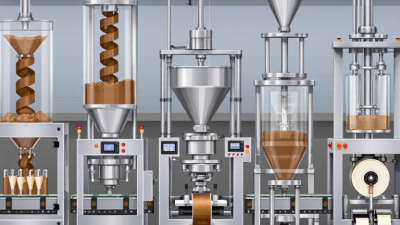
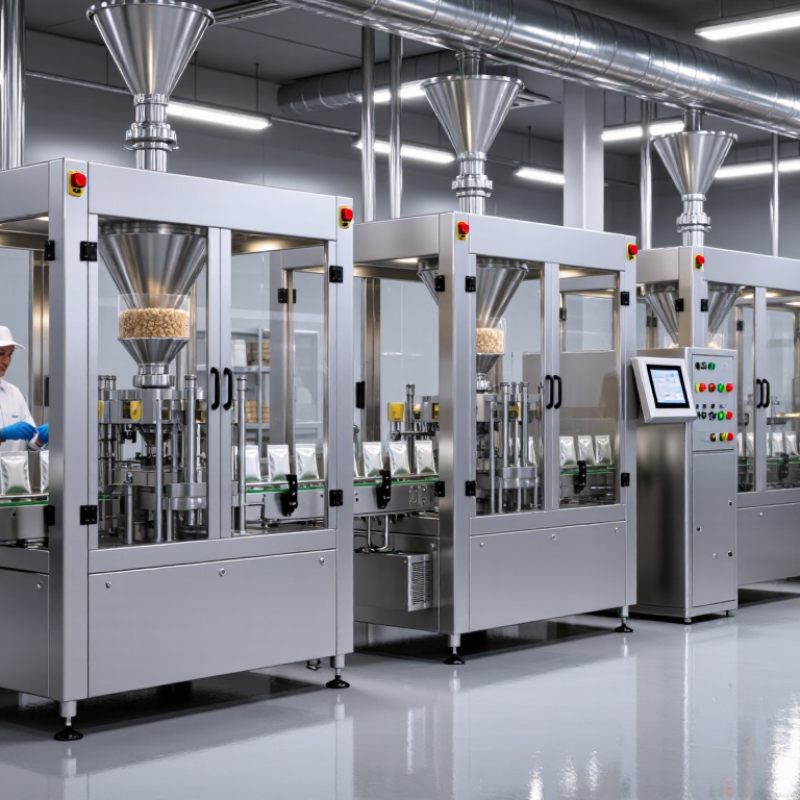
A stick pack filling machine forms narrow sachets, measures a product, fills it, and seals the package. It typically starts with a printed film roll. Servo-driven rollers pull the film through forming collars. Vertical seals create long lanes, while dosing units deliver powder, granules, liquids, or pastes. A cross-sealing jaw then cuts individual sticks.
The process looks simple. It is not magic. Auger fillers suit powders such as coffee or seasoning. Volumetric cups handle free-flowing granules. Piston pumps offer better control for liquids. Multi-lane machines increase output, but they also raise cleaning and alignment demands. Operators must check seal temperature, film tension, fill weight, and dust control during production. A small temperature drift can create leaking seals.
Market data explains the growing interest. Mordor Intelligence estimates the global packaging machinery market will exceed US$55 billion in 2024, with continued growth through 2029. Smithers also identifies flexible packaging as a major development area, supported by lightweight formats and material efficiency. These figures describe broader markets, not stick packs alone. That distinction matters.
For global buyers, machine selection should follow the product first. Test powder flow, bulk density, moisture, and target weight before comparing speed claims. A machine rated for 60 lanes per minute may perform differently in a humid factory. This is where many purchasing decisions become too optimistic. Check actual factory trials, dosing accuracy, seal strength, changeover time, and available technical support. Reliable data beats impressive brochures.
Top 10 Stick Pack Filling Machines for Global Buyers
Stick pack filling machines form, measure, fill, seal, and cut narrow single-serve sachets. The chart compares typical operating speeds for common product applications. Actual output depends on the number of lanes, product characteristics, filling volume, sealing method, and packaging material.
Typical operating-speed benchmarks are shown in packs per minute for common stick pack applications. Multi-lane systems generally provide higher output than single-lane systems.
Key Features to Compare When Choosing a Stick Pack Filler
Top 10 Stick Pack Filling Machines for Global Buyers
When comparing a stick pack filler, start with dosing accuracy, not the advertised production speed. A machine producing 120 packs per minute is less valuable when powder weight varies noticeably. Check whether it uses auger, volumetric, or multi-lane dosing. Each method suits different products, particle sizes, and flow characteristics.
Film compatibility also deserves close attention. Confirm the machine supports your laminate structure, sealing temperature, and stick dimensions. Poor sealing can cause leaks, weak edges, and wasted product. Servo-driven film control usually improves registration and cutting precision. Still, operators must test real film rolls, because laboratory results may not reflect factory conditions.
Cleanability affects daily reliability. Look for tool-free contact-part removal, smooth stainless-steel surfaces, and limited powder traps. Small details matter. Review the filling range, changeover time, electrical requirements, and compressed-air demand before purchase. Controls should display alarms clearly and record key settings for traceability. Ask for documented accuracy tests using your product, not only water or empty packaging.
A practical evaluation should include maintenance access and operator training. Can one technician replace a sealing jaw without dismantling half the machine? That answer matters during a night shift. Inspect technical support coverage, spare-part availability, and installation procedures in your region. Some suppliers promise flexibility, but custom features can increase downtime and complexity. Leave room for honest doubt: the fastest machine may not be the most dependable choice for your product, staff, or production schedule.
Top 10 Stick Pack Filling Machines for Global Buyers
Top 10 Stick Pack Filling Machines for Global Buyers
Global buyers are comparing ten practical stick pack filling machine configurations for powders, granules, liquids, and gels. The strongest options include auger fillers, volumetric cup fillers, multi-lane systems, piston pumps, servo-driven fillers, and liquid pump models. Intermittent-motion machines suit moderate output, while continuous-motion designs support faster production. According to PMMI’s 2024 State of the Industry report, U.S. packaging machinery shipments exceeded 10 billion dollars in 2023. This investment reflects stronger demand for automation and consistent dosing.
Smithers forecasts the global flexible packaging market will surpass 300 billion dollars by 2028. That growth makes accurate stick pack equipment more important for international plants. Buyers should check fill-weight tolerance, lane configuration, sealing temperature control, and changeover time. A machine producing 60 packs per minute may look efficient, but cleaning and adjustment delays can reduce real output. Small details matter.
For powders, auger systems usually provide better control than simple gravity filling. Granules need gentler handling and stable product flow. Liquid products require anti-drip nozzles and reliable pump calibration. Food and pharmaceutical facilities should request stainless-steel contact parts, accessible cleaning zones, and documented validation support. Electrical standards also require attention, especially for exports. I have seen promising machines lose value because manuals were incomplete or spare parts were difficult to source. Buyers should request factory acceptance testing, sample-filled packs, and long-run weight data before payment. A low purchase price is not always a low operating cost.
How to Match Machine Types With Products and Production Needs
Top 10 Stick Pack Filling Machines for Global Buyers
Matching the machine to the product matters more than choosing the highest speed. Powdered milk, spices, and instant coffee usually require auger fillers. Granules perform better with volumetric cup systems. Liquid products need piston or flow-meter filling. Thick sauces may need heated hoppers and wider sealing areas. Small details matter.
Grand View Research estimates the global stick packaging market will expand at about 5.8% annually through 2030. This growth increases pressure on manufacturers to reduce waste and labor. PMMI’s 2024 industry report also identifies automation and workforce shortages as major packaging investment drivers. A servo-driven, multi-lane machine can suit stable, high-volume products. However, intermittent motion may be safer for fragile powders and short production runs. Faster is not always better.
During factory trials, buyers should test real product batches, not only water or dummy powder. Check dust control, seal strength, changeover time, and filling accuracy. A narrow sachet can look efficient, yet bridging powder may slow the entire line. Recyclable film can also require different temperature settings. I have seen specifications miss this point. That mistake becomes expensive. Consider hopper size, dosing range, electrical standards, cleaning access, and local service skills before approving the machine. A sensible selection leaves room for imperfect materials, seasonal demand, and operators still learning the process.
Global Buying Factors: Compliance, Support, Cost, and Maintenance
When global buyers compare the top 10 stick pack filling machines, compliance should come before output speed. Ask for electrical certificates, food-contact documents, guarding details, and traceable material records. Requirements differ by destination. One familiar certificate may not satisfy every importer.
Request a complete technical file, not a polished sales slide. During a factory acceptance test, inspect seal samples, dust control, and emergency-stop response. Check whether operators can access manuals in their working language. Reliable suppliers explain validation steps clearly and provide spare-part lists before shipment. Support matters most after installation. A remote video call cannot replace an available technician when a sealing jaw stops during production.
Purchase cost is only one part of ownership. Compare installation, training, tooling, freight, software updates, and energy use. Ask how quickly common parts can arrive and whether local technicians are trained. Maintenance access deserves close attention. Can an operator clean the dosing area without removing half the machine? Are sensors clearly labeled? Small delays become expensive across three shifts. I would not trust a low quotation without a five-year cost model. That model may still be imperfect. Real production brings unexpected film changes, humidity, and operator errors. Leave room for those realities. A machine with moderate speed, strong documentation, accessible components, and responsive support can be more dependable than a faster machine with hidden service risks.
 English
 Français
 Español
 Deutsch