Top 10 Types of Stick Pack Filling Machines to Buy?
Choosing a stick pack filling machine is rarely a simple price comparison. Product texture, dose accuracy, film behavior, and cleaning time can change the decision completely. A fine coffee powder may bridge inside a hopper, while a liquid formula may drip between sealing jaws. Granules can also settle unevenly. Small details matter.
Packaging machinery specialist Michael J. Seny offers a practical reminder: “A fast filler is not a good investment if it cannot hold accuracy across every lane.” That principle guides this review of the top 10 types of stick pack filling machines to buy. The list examines auger fillers, volumetric cup systems, piston fillers, liquid pump machines, and servo-controlled designs. It also considers multi-lane configurations, sachet compatibility, production speed, and operator access.
A reliable machine should match the product before matching the sales brochure. Check the target weight. Test the seal. Watch powder flow.
Real factory conditions often expose weaknesses that demonstrations hide. Dust may collect around sensors. Sticky liquids may require longer cleaning cycles. Some machines promise impressive output, but their changeover process feels painfully slow. That is not a minor issue for manufacturers handling several formulas each day.
This guide therefore balances technical performance with practical ownership. It considers accuracy, maintenance, sanitation, spare parts, controls, and future capacity. No single machine suits every product. The best choice may still involve compromise. That is where careful testing becomes more valuable than optimistic specifications.
What Is a Stick Pack Filling Machine and How Does It Work?
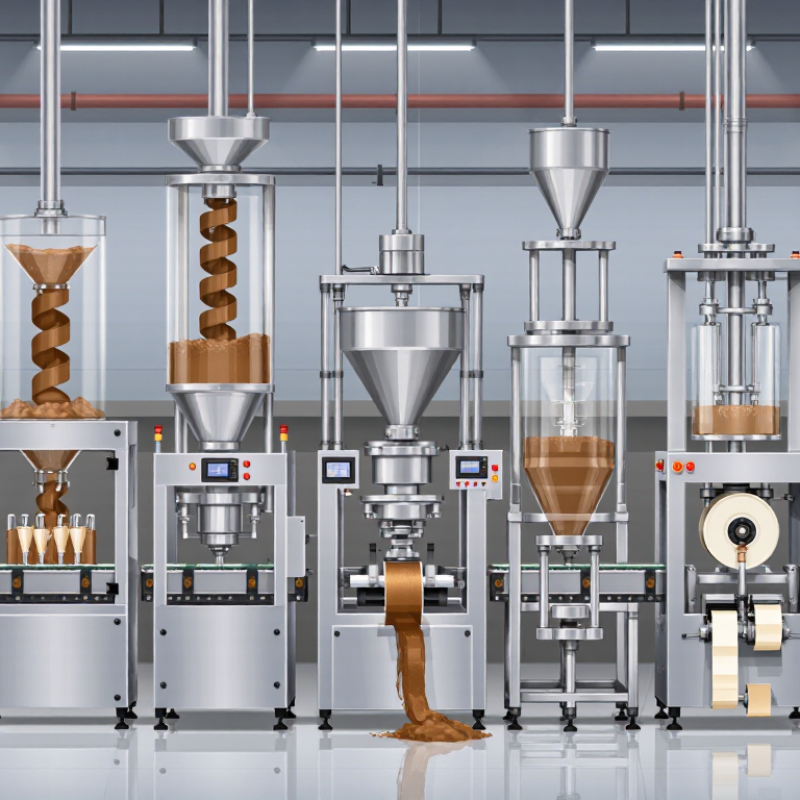
A stick pack filling machine forms narrow, sealed sachets for powders, granules, liquids, or small gels. It combines film feeding, forming, dosing, sealing, cutting, and date coding in one continuous process. The film unwinds from a roll and passes through a forming collar. A vertical seal creates the stick-shaped tube. A measured product dose then enters each tube before horizontal jaws seal and separate the packs.
Different machines suit different materials. Auger fillers handle flour-like powders, while volumetric cups measure free-flowing granules. Pump systems work better for liquids and viscous products. Multi-lane models increase output, but they also demand more precise alignment and cleaning.
Servo-driven systems improve dosing control and reduce film waste. A pneumatic version may cost less, yet its accuracy can vary under unstable air pressure.
In practical production, product behavior matters more than a machine’s impressive speed. Humidity can make powder bridge inside the hopper. Sticky liquid may leave residue around the filling nozzle. Small errors matter. Operators should test real product samples, film thickness, target weight, and seal strength before purchasing. I have seen buyers focus on hourly output and overlook changeover time. That decision often creates avoidable downtime. The machine must also provide accessible contact parts, clear adjustments, guarding, and dependable quality records. Some specifications look excellent on paper, but factory trials reveal the truth.
Which Products and Packaging Materials Suit Each Machine Type?
Choosing among the top 10 stick pack filling machine types starts with the product, not the machine frame. Auger fillers suit powdered coffee, spices, and nutritional powders. Volumetric cup fillers handle free-flowing granules, such as sugar or rice. Liquid piston fillers work well with sauces, honey, and concentrated beverages. Peristaltic pumps protect sensitive liquids and simplify cleaning. Servo-driven fillers offer accurate dosing for premium products, but their controls require skilled operators.
Multi-lane stick pack machines fit high-volume powders, liquids, and gels. Net-weigh fillers suit products with strict weight targets, although they usually need more space. Combination systems handle mixed textures, such as granules with powder. Sachet-style machines fit flat, narrow packs and small samples. Intermittent-motion machines suit moderate output and frequent format changes. Continuous-motion systems are faster, but setup errors become expensive.
Packaging material matters just as much. Laminated films provide strong oxygen and moisture barriers for coffee and powdered foods. Polyethylene-based films support heat sealing and flexible recycling strategies. Paper-based laminates offer a better tactile impression, yet sealing performance can be less forgiving. According to Grand View Research, the global flexible packaging market was valued at about $269.9 billion in 2023. Smithers also forecasts continued growth through 2028, driven by convenient portion packs. These figures support investment, but they do not replace testing. Film thickness, sealant layers, powder dust, and liquid viscosity can change results quickly. A machine that performs perfectly with one film may struggle with another. I would request factory trials using the exact product and packaging roll. Small details often decide the real cost.
Which Products and Packaging Materials Suit Each Machine Type?
The chart shows commonly reported throughput ranges for stick-pack equipment. Actual output depends on product flowability, dose size, lane count, film width, sealing design, and the required accuracy.
Powders such as coffee, flour, spices, milk powder, and pharmaceutical powders. Common films include laminated PET/PE, PET/AL/PE, and paper-based laminates.
Free-flowing granules such as sugar, salt, seeds, rice, and small snacks. Suitable for heat-sealable laminated films and polyethylene-based structures.
Granular products requiring tighter weight control, including instant coffee, cereals, pet food, and powdered drink mixes. Usually paired with multilayer laminate film.
Viscous products such as honey, sauces, gels, creams, and concentrated syrups. Suitable for flexible laminates with strong heat-seal layers.
Low- to medium-viscosity liquids, pharmaceutical liquids, sauces, and hygienic products. Works well with cleanable, heat-sealable film structures.
Stable-flow liquids and semi-viscous products such as dressings, detergents, oils, and personal-care liquids. Common materials include PET/PE and PET/AL/PE laminates.
Free-flowing liquids where volume accuracy and repeatability are important, including water-based beverages, edible oils, and liquid household products.
High-volume powder products such as instant beverages, seasoning, coffee, and pharmaceuticals. Typically uses laminated barrier films for moisture and oxygen protection.
High-speed production of sauces, beverages, shampoo, gels, and other liquids. Suitable for heat-sealable polyethylene or polypropylene sealant layers.
Light, dusty, or difficult-to-settle powders such as cocoa, flour, fine spices, and nutraceutical powders. Often combined with high-barrier aluminum or metallized laminates.
What Are the Top Ten Types of Stick Pack Filling Machines?
What are the top ten types of stick pack filling machines? A useful ranking begins with the product, not the machine.
The best choice depends on moisture, particle size, viscosity, dust, and target weight. A powdered drink may bridge inside an auger hopper without agitation. A sticky paste may string across the seal area. Small details matter.
During a factory trial, inspect the first and last packs, not only the average result.
Check seal strength, fill variation, cleaning time, and film waste.
Operators should adjust settings without complicated tools. Safety guards, accessible contact parts, and documented calibration also deserve attention. A machine that runs quickly but cleans slowly may reduce real production capacity.
No ranking is absolute. Product trials can overturn a confident decision. For example, a compact servo system may outperform a faster machine when changeovers happen hourly.
Ask suppliers for sample testing using your actual powder, liquid, or granules. Request performance data under realistic temperatures and humidity.
Confirm whether the proposed machine supports your film structure, pack length, and required inspection equipment. Reliable purchasing comes from measured trials, clear specifications, and honest attention to limitations.
How Do You Compare Machine Speed, Accuracy, and Automation?
When comparing stick pack filling machines, speed should never stand alone.
A machine rated at 120 packs per minute may slow considerably with fine powders, sticky liquids, or frequent size changes. Speed looks impressive. That is not enough. Check the actual output during a realistic trial, including sealing, cutting, and product replenishment. A stable 90 packs per minute can outperform a faster machine that creates repeated stoppages.
Accuracy depends on the dosing system and the product itself.
Auger fillers often suit powders, while liquid pumps require careful control of viscosity and temperature. Ask for test data at your target fill weight, not only the manufacturer’s best result. A 0.2-gram variation may be acceptable for one product but costly for another. Weigh samples from the beginning, middle, and end of a production run. Small errors often appear after the hopper level drops.
Automation should reduce routine labor without hiding operational problems.
Servo-driven adjustments, automatic film tracking, and reject detection can improve consistency. However, advanced controls still need trained operators and sensible maintenance access. Review changeover time with actual film rolls and cleaning tools. A machine that changes formats quickly on paper may be awkward on the factory floor. I would also question incomplete data sheets. Some specifications exclude setup time, waste, or manual checks, which can distort the purchase decision.
What Should You Check Before Buying a Stick Pack Filling Machine?
Before buying a stick pack filling machine, define the product before comparing machine types. Powder, granules, liquids, and viscous gels require different dosing systems. Check target fill weight, tolerance, moisture, particle size, and bulk density. A fine powder may bridge inside a hopper, while a liquid can drip after sealing. Small details matter.
Production speed also needs careful testing. PMMI’s 2024 State of the Industry report valued U.S. packaging machinery shipments at more than 10 billion dollars, reflecting strong automation demand. However, higher speed is not always better. Ask for a factory acceptance test using your actual material. Measure output, seal quality, giveaway, changeover time, and rejected sachets. Request data at both normal and maximum speeds. Maximum speed can be optimistic.
Inspect the machine frame, dosing parts, sealing jaws, sensors, and control system. Product-contact surfaces should suit your sanitation procedure and material requirements. Confirm clean-in-place limitations, tool access, spare-part availability, and operator training. Flexible packaging research from Smithers continues to identify material efficiency and lightweighting as major market priorities, so check film compatibility and sealing temperature range. A machine that saves film but causes unstable seals is not efficient. I would also calculate total cost over three years, including labor, compressed air, electricity, maintenance, and downtime. One overlooked issue remains common: the sample film works, but production film does not. Get both approved in writing.
Related Posts
-
How to Optimize Your Production Line with Stick Pack Filling Machines
-
Why Every Manufacturer Should Consider Investing in a Stick Pack Machine?
-
2025 How to Choose the Best Stick Pack Filling Machine for Your Business
-
What is an Automatic Filling Machine and How Does it Work?
-
How to Choose the Right Horizontal Packaging Machine for Your Needs?
-
5 Essential Tips to Boost Your Packaging Efficiency with Bag Sealing Machines in 2023