BLOG

What Is Flow Pack Packaging and How Does It Work?

Flow pack packaging is the clear, tight wrapper around a snack bar, soap, or medical device. A roll of flexible film forms a tube around the product, then heated jaws seal the film lengthwise and across each end. The result is a compact pack with visible seals and little excess material. The cycle is quick. Yet small changes in film, temperature, or product spacing can affect seal quality.

The scale of flexible packaging helps explain its widespread use. The Flexible Packaging Association’s 2023 State of the U.S. Flexible Packaging Industry report estimated U.S. industry sales at $42.9 billion in 2022. That figure covers flexible packaging broadly, not flow pack alone. It is useful context, but not a measure of flow-pack market share. Packaging educator Walter Soroka defines packaging as “the science, art, and technology of enclosing or protecting products for distribution, storage, sale, and use.” Flow pack puts that idea into motion: a machine feeds product onto film, wraps it, and seals it for handling and distribution.

This guide explains the process, common machine types, film choices, and practical trade-offs. Flow pack can support fast production and consistent presentation, but it is not automatically the right fit for every product. Seal strength, pack appearance, line speed, and material use all matter. A wrapper can look simple from the outside. Getting a reliable result takes careful setup—and occasional rethinking.
What Is Flow Pack Packaging and How Does It Work?

What Flow Pack Packaging Is and How It Is Structured

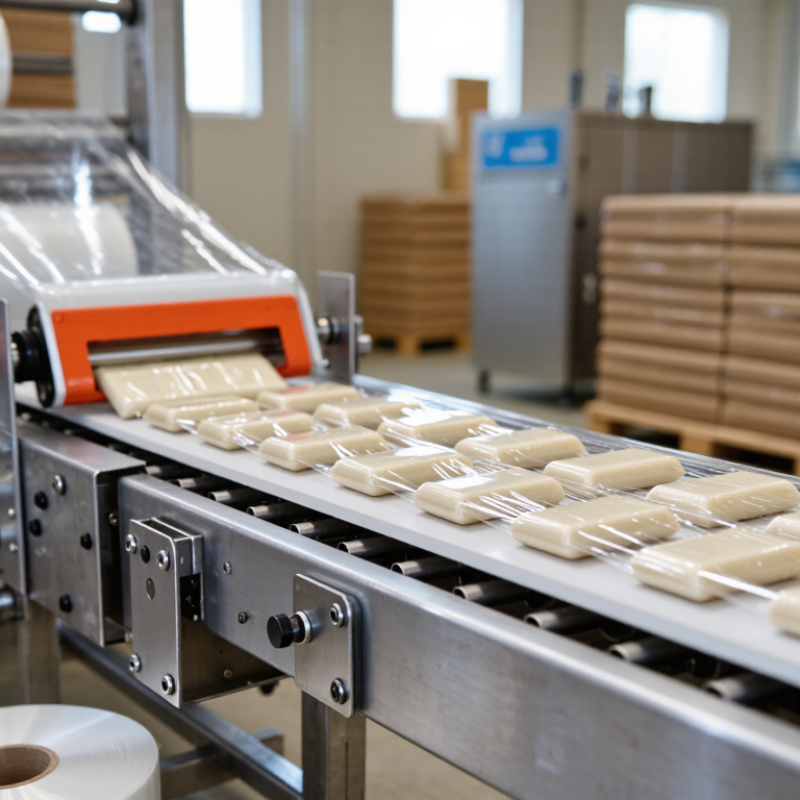
Flow pack packaging uses a continuous sheet of flexible film to wrap individual products. The film usually begins on a roll and passes over a forming collar, which shapes it into a tube around the item. Its structure has three main sealed areas: a lengthwise seam and two end seals. The package often resembles a small pillow. That shape is practical.

On a horizontal flow wrapper, products move along a conveyor as the film forms around them. A sealing unit closes the tube along its underside or back. Rotating jaws then seal both ends and cut between packs. The product stays inside while the machine repeats the cycle. Timing matters. Items need consistent spacing, and the film must track evenly to avoid crooked seams or exposed edges.

Film choice affects stiffness, barrier performance, and how well seals hold. In production, operators check seal appearance, package alignment, and film tension during setup and routine runs. A neat-looking pack is not always a sound one; seals need inspection, not just a quick glance. Settings may need adjustment for product size or film thickness. The process looks simple, but small changes can affect results, and one setup rarely suits every product.

Key Components of a Flow Pack Packaging System

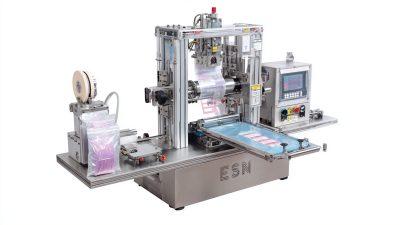
A flow pack system has several parts that must work in sequence. The film roll supplies a continuous sheet of packaging material. Tension rollers guide it toward a forming collar, which curves the flat film around each product. The product usually travels on a conveyor, with spacing set to match the machine’s speed. Small gaps matter.

The forming collar creates a tube around the item. A longitudinal sealing unit joins the film’s overlapping edges beneath or behind the product. End-sealing jaws then close the package between items and cut it apart. Depending on the machine, these jaws may move continuously or stop briefly for each seal. Temperature, pressure, and dwell time need careful adjustment for the film being used.

Sensors and controls coordinate product timing, film movement, and sealing. A photoelectric sensor can detect printed marks, helping the machine place cuts consistently. The finished packs leave on a discharge conveyor for inspection or further handling. In practical setup, product shape and film behavior both affect performance. The awkward part is that one adjustment can disturb another: faster feeding may reduce sealing time. Operators should check seal strength and package appearance during changes, not rely on speed settings alone.

Materials Commonly Used in Flow Pack Packaging

Flow pack packaging forms a sealed wrapper around products using a continuous roll of flexible material. Polypropylene films, including oriented and cast varieties, are widely used because they can run quickly and create clear, glossy packs. Oriented polypropylene offers stiffness and a crisp feel, while cast polypropylene often seals more easily across a wider temperature range. The exact choice depends on the machine, seal design, and product.

Polyethylene is another option, especially when flexibility and a softer feel matter. For products sensitive to moisture, oxygen, or light, converters may combine layers such as polypropylene, polyethylene, or barrier films. Each layer has a job: one may provide strength, another sealability, and another protection. Paper-based laminates can add a natural-looking surface, but they still need suitable sealing layers to work on a flow wrapper. There is no perfect film. A barrier layer can improve protection, yet make recycling more complicated, and that trade-off is easy to underestimate. Before selecting material, packers typically test seal strength, product shelf-life needs, and performance at the intended line speed. A sample pack can reveal wrinkles or weak seals that specifications miss.

What Is Flow Pack Packaging and How Does It Work? — Materials Commonly Used in Flow Pack Packaging

Material or Film Structure Key Properties Common Uses Important Considerations
Oriented polypropylene (OPP/BOPP) Clear, lightweight film with good stiffness, moisture-barrier performance, and printability. Biscuits, confectionery, bakery items, and other dry products. Standard grades may have limited oxygen and aroma barrier; seal performance depends on the film grade and sealing conditions.
Cast polypropylene (CPP) Flexible film with good heat-sealing properties and resistance to moisture. Food products and packages that require a reliable seal or a softer, more flexible film. Often used as a sealing layer in a laminate; barrier performance varies by grade and construction.
Polyethylene (PE) Flexible, tough, and heat-sealable; available in different grades and film structures. Fresh produce, bread, and products needing a flexible package. Can provide good moisture protection, but typically offers a limited oxygen barrier unless combined with other materials.
Polyester (PET) laminated to PE or a sealant layer PET adds strength, stiffness, and a good surface for printing; the inner layer provides sealing. Products requiring a durable printed package, such as snacks and some frozen foods. The laminate combines the functions of multiple layers. Material choice should match the product, packaging equipment, and disposal requirements.
Metallized OPP or PET laminate A thin metal coating can improve light, moisture, and gas barrier compared with the corresponding uncoated film. Light- or oxygen-sensitive snacks and other products needing added protection. Barrier performance depends on the film, coating, and package integrity; metallized film is not the same as a solid foil layer.
Foil-containing laminate Aluminum foil can provide a strong barrier to light, moisture, and gases when incorporated into a suitable laminate. Products requiring a high barrier, including selected food and non-food applications. Usually combines foil with other layers for strength and heat sealing. It may be less compatible with common flexible-plastic recycling streams.
Paper-based laminate Provides a paper surface and can reduce the amount of visible plastic, while coatings or inner layers supply sealing and barrier functions. Dry foods and products where a paper-like appearance is desired. Paper alone is generally not heat-sealable and may not provide sufficient barrier protection; the full laminate determines performance and recyclability.

How the Flow Pack Packaging Process Works Step by Step

What Is Flow Pack Packaging and How Does It Work?

How the Flow Pack Packaging Process Works Step by Step

Flow packing wraps products in a continuous film tube, then seals each pack at both ends. The process starts as a roll of film unwinds and passes over a forming shoulder. The shoulder guides the flat film around the product, creating a tube. A lengthwise seal closes the tube beneath or behind the item. Small details matter: wrinkles near this seam can weaken the seal.

Next, the product feed spaces items apart before they enter the film tube. End-sealing jaws press across the film between products, creating tight seals and cutting individual packs apart. Sensors can check film registration and product position, while operators inspect seal quality and pack appearance. The exact setup varies by product shape and film type. There is no single perfect setting; line speed, temperature, and pressure need testing. The Flexible Packaging Association’s 2023 State of the U.S. Flexible Packaging Industry report estimated U.S. flexible packaging sales at $42.9 billion in 2022, reflecting the sector’s broad use across product categories.

Tips: Run a short trial with real products. Check seals for gaps, trapped crumbs, and uneven edges before increasing line speed. A neat pack is not always a sound pack.

What Is Flow Pack Packaging and How Does It Work?

A typical flow pack line feeds packaging film around a product, forms and seals the film into a tube, then seals and cuts the individual packs. The bars show step order—not processing time or production output.

Products and Industries That Use Flow Pack Packaging

Flow pack packaging suits products that need a light, sealed wrapper around each item. Common examples include biscuits, snack bars, chocolate, bread rolls, fresh produce, and small household goods. A horizontal machine forms film around the product, then seals the package along its back and ends. The result is familiar: a tight wrapper with crimped edges. Not every product fits.

Food is a major market for flexible packaging, the broader category that includes flow packs. The Flexible Packaging Association’s 2023 State of the U.S. Flexible Packaging Industry report put U.S. sales at $42.9 billion in 2022, or about 21% of the packaging market. That figure covers many formats, not flow packs alone. In practice, bakeries and snack producers value high-speed wrapping and individual portions; produce packers may use perforated film to manage airflow. Personal-care and medical manufacturers also use flow-wrapped packs for selected items, though product protection and clean handling requirements vary. Details matter. Film choice affects seal strength, visibility, and barrier performance, while greasy crumbs or uneven product shapes can disrupt sealing. A fast line is useful, but only when its settings match the product.

Get in touch

Our goal is to provide you with excellent customer service while meeting all of your packaging automation needs. We provide the peace of mind that comes from working with one manufacturer, one service department and one point of contact.