China Top Horizontal Packaging Machine Manufacturers
China’s horizontal packaging machine manufacturers are attracting global attention through practical engineering, competitive pricing, and expanding export experience. Their equipment serves food, bakery, household, medical, and personal-care production lines. A reliable comparison must examine more than machine appearance or advertised speed.
Jorge Izquierdo, Vice President of Market Development at PMMI, has observed, “Automation should solve a real production problem, not simply add technology.” This principle fits every horizontal packaging machine evaluation. Buyers should inspect sealing stability, film tracking, temperature control, changeover time, and after-sales support. A machine running beside a stainless-steel conveyor may look impressive. Its true value appears during an eight-hour shift, when film wrinkles, product spacing changes, or operators adjust formats.
Leading Chinese suppliers increasingly provide servo-driven systems, touch-screen controls, and remote troubleshooting. Some manufacturers also customize infeed conveyors and sealing units for unusual product shapes. However, technical claims still require careful verification. A high packaging speed may depend on product size, film type, and operator skill. That detail is easy to miss.
This outline will examine China’s notable horizontal packaging machine manufacturers through engineering capability, certifications, production experience, customization, and service reliability. Factory audits, sample tests, and reference projects should support the evaluation. No supplier is perfect. Even experienced manufacturers can improve documentation, training, and response times. That honest limitation matters. It helps purchasers select equipment that performs consistently, rather than choosing only the lowest quotation.
Industry Overview of Horizontal Packaging Machines in China
China’s horizontal packaging machinery sector is expanding with food, household, and personal-care production. Mordor Intelligence’s 2024 China packaging machinery analysis identifies food and beverage as the leading application area. Demand is shifting toward faster changeovers, compact footprints, and lower film waste. A modern horizontal machine may switch product sizes through recipe control, servo positioning, and tool-free adjustments.
The China Packaging Machinery Association has repeatedly highlighted automation, digital monitoring, and energy efficiency as industry priorities. These priorities are visible on factory floors. Operators now check sealing temperature, film tension, and reject rates on touchscreen panels. Research and Markets also reports strong growth expectations for China’s packaging machinery market through the decade, supported by e-commerce and processed-food consumption. Forecasts remain directional, not guaranteed.
Manufacturers must still manage practical weaknesses. Thin films can wrinkle near the forming shoulder. Dust may weaken seals. High-speed output can expose unstable feeding systems. These problems require material trials, seal-strength testing, and documented acceptance standards. Horizontal form-fill-seal equipment should therefore be judged by verified uptime, changeover records, safety compliance, and lifecycle service, rather than speed alone. That is a more reliable comparison, although many published figures lack consistent definitions.
Key Types and Applications of Horizontal Packaging Machines
China Top Horizontal Packaging Machine Manufacturers
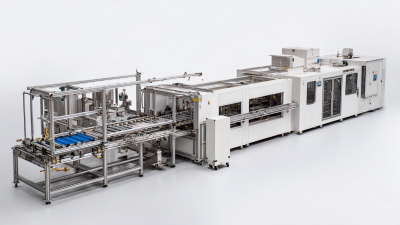
Horizontal packaging machines serve different production needs, not one universal format. Horizontal form-fill-seal systems create packs from roll film, often for snacks, frozen foods, bakery items, and household products. Flow wrapping suits solid products with regular shapes, such as biscuits or soap bars. Horizontal cartoners handle cartons for food, healthcare, and personal-care applications, especially when accurate leaflet insertion matters. Premade pouch machines support products needing stronger seals or special presentation.
According to PMMI’s 2024 State of the Industry report, U.S. packaging machinery shipments reached approximately 10.2 billion dollars in 2023. This figure reflects continued investment in automated packing lines. However, speed alone can mislead. A 250-pack-per-minute machine may lose its advantage during frequent film changes, cleaning, or product adjustments. In real factories, sealing stability and accessible controls often matter more than headline output.
Grand View Research identifies automation, flexible packaging, and demand for portion-controlled products as important market drivers. Modified-atmosphere packaging also requires careful gas control, film selection, and seal inspection. Operators should test actual products before purchase. Product weight, moisture, shape, and temperature can change performance significantly. A machine that works well with dry biscuits may struggle with oily or fragile foods. That limitation is easy to overlook. Reliable manufacturers should provide documented trials, measurable acceptance criteria, and practical training, not only attractive specifications.
Core Technologies Used by Chinese Packaging Machine Manufacturers
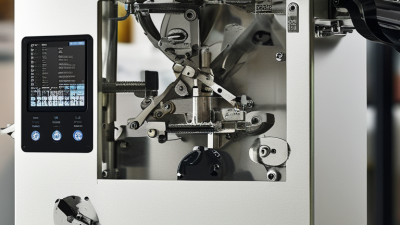
China’s horizontal packaging machine manufacturers increasingly compete through integrated control, not steel fabrication alone. PMMI’s 2024 State of the Industry research identifies labor shortages and automation investment as major packaging priorities. Chinese equipment makers respond with servo-driven feeding, electronic cam control, and touchscreen diagnostics. These systems coordinate film pulling, sealing, cutting, and product spacing within milliseconds.
Servo motors improve registration accuracy during frequent size changes. Machine-vision cameras inspect seal position, print marks, and missing products. Industrial Ethernet then connects sensors, drives, and supervisory software. This supports faster fault tracing and more consistent production records. According to the International Federation of Robotics, China installed over 276,000 industrial robots in 2023, representing more than half of global installations. That manufacturing base strengthens local access to motion-control skills and automation components.
Energy management is becoming practical, not decorative. Variable-frequency drives reduce unnecessary motor output during pauses, while heat controllers stabilize sealing jaws. Smithers’ packaging industry research continues to highlight automation, material efficiency, and traceability as key investment themes. Still, advanced technology does not guarantee a perfect line. A poorly tuned photoelectric sensor can reject good packs for hours. Operators also need training, especially when recipes change quickly. The weakness is often human-machine communication. Clear alarms, accessible maintenance points, and recorded test runs may matter as much as peak speed.
How to Evaluate China’s Horizontal Packaging Machine Suppliers
China’s horizontal packaging machine market deserves careful supplier screening.
Grand View Research estimates the global packaging machinery market reached about USD 52.8 billion in 2023, with growth expected through 2030. This expansion attracts capable factories and inexperienced assemblers. A low quotation proves little.
Request a live factory acceptance test, not only edited videos.
Measure actual output, sealing temperature stability, film waste, changeover time, and fault recovery. Ask for three consecutive production runs using your film, product, and carton dimensions. The machine should meet its stated speed under these conditions. It often does not. Review servo specifications, electrical drawings, safety circuits, and software backups. Confirm whether critical parts are locally stocked and clearly identified.
Reliability needs evidence.
Check the supplier’s ISO 9001 certificate through the issuing body, then inspect calibration records and incoming-material controls. PMMI industry reports continue to identify labor shortages and automation as major packaging investment drivers, making simple operation increasingly important. Request operator-training records, preventive-maintenance schedules, and a documented response time for remote support. Compare total cost over five years, including spare parts, energy, tooling, installation, and rejected packages. A factory tour can look impressive, yet acceptance data remains more trustworthy. One overlooked detail is service language; unclear troubleshooting instructions can delay production more than a modest mechanical defect.
Leading Manufacturer Profiles and Market Selection Criteria
China Top Horizontal Packaging Machine Manufacturers
Leading Manufacturer Profiles and Market Selection Criteria
China’s horizontal packaging machine sector now serves food, household, pharmaceutical, and export-oriented production lines. Grand View Research valued the global packaging machinery market at approximately USD 52.83 billion in 2023. It also forecasts a 5.8% compound annual growth rate from 2024 to 2030. This growth increases supplier choice, but it also complicates purchasing decisions.
Manufacturer profiles should focus on capabilities, not attractive brochures. High-speed builders may offer servo-driven systems, automatic film tracking, and rapid changeovers. Flexible manufacturers often customize conveyors, sealing units, and feeding systems for unusual products. Regional specialists may provide faster commissioning and stronger local support. Ask for factory acceptance test records. Check sealing temperature stability, film waste, real cycle speed, and changeover time with similar products. A claimed speed is not production speed.
PMMI’s recent State of the Industry reporting identifies labor availability and automation as major packaging investment drivers. Therefore, evaluate recipe control, fault guidance, remote diagnostics, and operator training. Request three customer references from comparable factories. Review spare-part lead times and software support terms. Total cost should include installation, energy use, rejected packs, maintenance, and downtime. A lower purchase price can become expensive after six months. No scorecard is perfect. Product variation, humidity, and operator habits can change results. A short production trial remains more reliable than a polished presentation.
China Top Horizontal Packaging Machine Manufacturers: Market Selection Criteria
Typical rated output by application provides a practical benchmark when comparing horizontal flow-pack machine suppliers. Actual performance depends on product size, film type, sealing format, feeding system, and required packaging accuracy.
Indicative industry benchmarks based on commonly published operating ranges for horizontal flow-pack equipment; values are shown in packs per minute and are not company-specific data.

 English
 Français
 Español
 Deutsch