What is a wire mesh weaving machine and how does it work?
A wire mesh weaving machine is an essential tool in various industries. It crafts wire mesh products used in construction, agriculture, and filtration. The machine operates through a series of precise movements. Wires are fed into the machine, creating intricate patterns.
These machines come in various designs and sizes. Some are manual, while others are fully automated. Each type has its advantages and limitations. Understanding these differences is crucial for manufacturers. The quality of the finished mesh relies heavily on the machine's operation.
wire mesh weaving machines can produce different sizes and types of mesh. However, they can encounter issues like tension inconsistencies or misaligned wires. Addressing these problems is vital for maintaining quality. A thoughtful examination of each component can lead to improvements. Recognizing and rectifying these flaws can enhance productivity and product quality.
What is a Wire Mesh Weaving Machine?
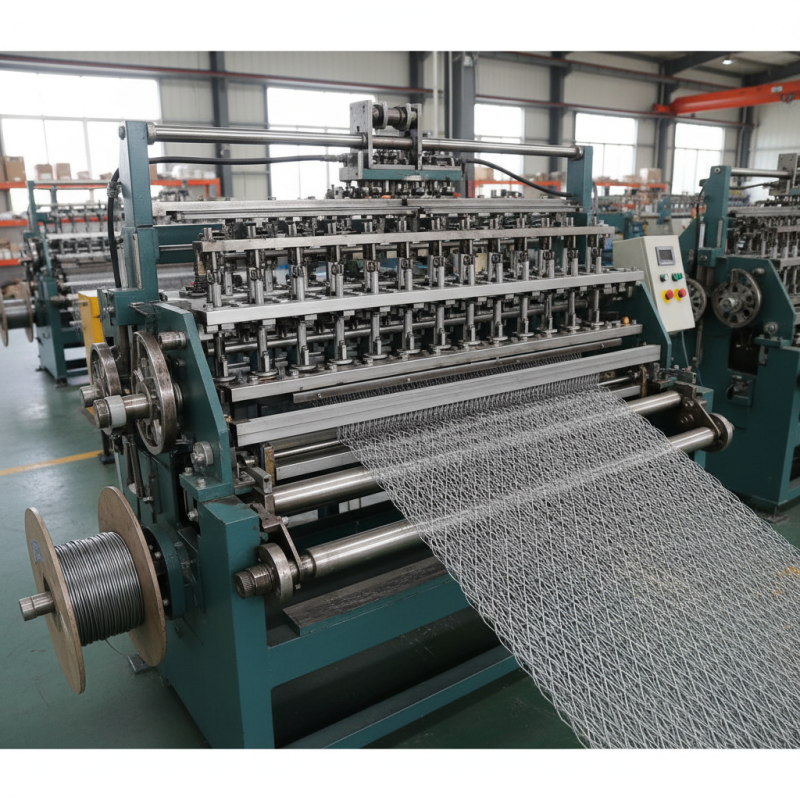
A wire mesh weaving machine is a specialized device used to create wire mesh products. It weaves together strands of wire to form a grid-like structure. These machines vary in size and complexity, accommodating different wire types and mesh patterns.
The process begins with feeding the wire into the machine. It automatically cuts and positions the wire. The weaving process intertwines the wire strands. Depending on the machine, this might involve multiple operations. Some machines are simple, while others are automated and highly efficient. The output can vary greatly, from small nets to large fencing sections.
However, operating these machines requires skill. Workers must monitor the process to avoid defects. Sometimes, the machine may misalign the wires, which creates weak points. Troubleshooting these issues can be time-consuming and frustrating. Reflecting on the operation regularly is crucial. Continuous improvement leads to higher quality products.
Wire Mesh Weaving Machine Production Statistics
The Components of a Wire Mesh Weaving Machine
A wire mesh weaving machine consists of several key components that work together to create mesh products. At its heart is the weaving mechanism, which interlaces wires to form patterns. This mechanism can consist of multiple shuttle systems, each precision-designed to carry wires.
Another vital part is the wire feeder. It supplies consistent tension to the wires during the weaving process. A reliable wire feeder ensures uniformity, preventing potential defects. Additionally, the machine incorporates a take-up system that rolls finished mesh into manageable rolls. This is where the mesh's final form takes shape.
The control panel is essential for operation. It allows the operator to adjust settings for different mesh sizes. Operators often report that mastering this panel takes practice. It’s not uncommon to encounter challenges when fine-tuning the weaving patterns. Each machine is unique, leading to a learning curve for newcomers. Understanding these components can enhance efficiency and improve product quality over time.
The Weaving Process: How It Works
The weaving process in wire mesh weaving machines is intricate yet fascinating. These machines operate by weaving wires together in various patterns. Understanding this process is key to grasping their utility in many industries, including construction and filtration.
The weaving begins with raw metal wires. These are fed into the machine, where they are arranged in specific configurations. A report by the Manufacturing Institute indicates that the global wire mesh market is projected to grow by over 5% by 2025. This increase highlights the demand for efficient weaving processes. Precise control over tension and spacing is vital. Any inconsistency can lead to weak points in the mesh.
In terms of efficiency, many machines can produce thousands of square feet of wire mesh daily. However, not all machines are created equal. Some may struggle with more complex patterns. Factories often need to balance speed with quality. It’s a tricky dance. Failing to do so can result in significant waste. Regular maintenance is crucial. Machines can wear down over time. This affects output quality.
Types of Wire Mesh Weaving Machines
Wire mesh weaving machines are essential in various industries. These machines construct different types of wire mesh, which serves many purposes. There are several varieties, each designed for specific applications.
Plain weave machines create standard mesh patterns. They interlace wires uniformly, resulting in durability. Conversely, the twill weave machines produce a diagonal pattern. This design enhances flexibility, perfect for architectural applications.
Additionally, machines for welded wire mesh automatically join the wires at intersections. This offers a robust structure for fencing or reinforcing concrete.
Some machines allow for custom sizes and shapes. This adaptability can meet unique customer demands, although it sometimes leads to inefficiencies. Not all machines work equally well with every wire type. Maintenance is also crucial; neglecting it can decrease productivity.
Each type of machine has strengths and limitations, requiring careful consideration for optimal use.
Applications of Wire Mesh in Various Industries
Wire mesh is widely used across various industries due to its versatility and strength. In construction, it provides structural support. Builders use wire mesh in concrete to enhance durability. It prevents cracking and adds stability to buildings and roads. This mesh is also common in fencing. It secures perimeters around properties or farms. This is crucial for safety and managing livestock.
In the manufacturing sector, wire mesh plays a vital role. It is essential in filtration systems. Companies use it to separate particles from liquids and gases. This process helps maintain product quality. Additionally, wire mesh is used in automotive applications. It serves as guards and screens to protect engine components. Each application demands precision, and any misstep can lead to issues in safety or performance.
Aside from industrial uses, wire mesh is found in art and design. Artists use it to create sculptures and installations. This aspect encourages creativity but may lack durability. Reflecting on wire mesh’s applications reveals its importance. Yet, careful consideration is necessary for each project. Miscalculations in design or material choice can undermine its benefits.
What is a wire mesh weaving machine and how does it work? - Applications of Wire Mesh in Various Industries
| Dimension | Specification | Material Types | Applications |
|---|---|---|---|
| Wire Diameter | 0.5 mm - 12 mm | Mild Steel, Stainless Steel, Aluminum | Construction, Filter Production |
| Mesh Opening Size | 1 mm - 100 mm | Brass, Copper, Galvanized Steel | Mining, Agriculture |
| Roll Width | 1 m - 2.5 m | Fiberglass, Non-Metallic | Industrial Fencing, HVAC Systems |
| Production Speed | 30 m/min - 500 m/min | Polyester, Nylon | Automotive, Electronics |