
 English
 Français
 Español
 Deutsch
Why Choose a Powder Packaging Machine?
Choosing a powder packaging machine is not simply a matter of filling bags faster. It affects product consistency, workplace cleanliness, material loss, and the time operators spend correcting small errors. A fine flour may drift like dust when a hopper is poorly sealed. A coarse protein blend may bridge above the feeder and leave packets short. Those details matter on a busy production line.
The right machine matches the powder’s flow behavior, target fill weight, package style, and daily output. Auger fillers suit many free-flowing and cohesive powders, while other products may need different feeding arrangements. Ask how the system handles changeovers, cleaning, dust control, and fill checks. Watch it run with your actual product, not only a demonstration material. A polished showroom test can hide awkward cleaning steps. That deserves a closer look.
A verified powder-packaging engineer could frame the decision this way: “[Insert a confirmed expert’s name and verified quotation about matching the machine to the powder and production needs.]” This quotation should be confirmed with the named expert before publication; inventing an attribution would weaken trust. A sound evaluation also checks service access, spare parts, operator training, and the limits of the machine’s stated accuracy. No single model fits every line. The best choice is the one that handles your powder reliably, with practical controls and measurable results. During this guide, we’ll examine the key benefits, trade-offs, and questions worth asking before you invest.
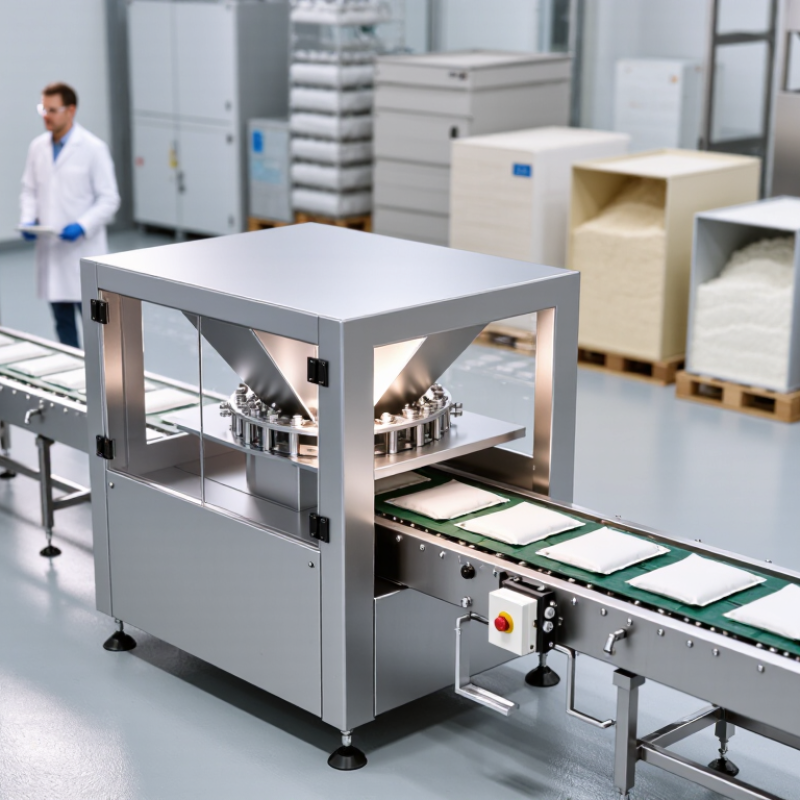
How Powder Properties Determine the Right Packaging Machine
Why Choose a Powder Packaging Machine?
How Powder Properties Determine the Right Packaging Machine
Powders may look similar in a scoop, yet behave very differently on a production line. Fine flour can drift into sealing areas, while coarse granules may feed unevenly. Small details matter. Particle size, moisture, and bulk density all affect how reliably material flows into a package. A slight change in humidity can also turn a free-flowing powder into one that clumps or bridges inside a hopper.
Machine choice should match those behaviors. An auger filler can control portions of many fine powders, but its settings depend on density and flow. A weigh-filling system may help when each pack needs a measured weight, though it still needs a steady product feed. Dusty materials may call for enclosed transfer points and effective dust extraction. Dust changes everything. Test the actual powder, not just a similar sample; even batches can differ.
Packaging material matters, too. Powder on a seal area can weaken the closure, so clean filling and suitable sealing conditions are important. Abrasive particles may wear contact parts faster, while moisture-sensitive powders need careful exposure control. Ask suppliers for trials using your product and target pack size. Record fill variation, cleaning time, and spillage. There is no perfect setting, and real production may expose a weakness that a short test misses. That deserves a second look.
| Powder Property | Typical Behavior or Examples | Packaging Challenge | Suitable Machine Approach | Important Setup Considerations |
|---|---|---|---|---|
| Flowability | Free-flowing powders move readily; cohesive powders tend to bridge, cling, or form lumps. Examples include some salt grades and fine flour. | Inconsistent flow can cause variable fills, interruptions, or material buildup in the hopper. | An auger filler is commonly used for powders; a volumetric cup system may suit consistently free-flowing granular products. Cohesive powders may require a hopper agitator or a specialized screw design. | Test the product at the intended feed rate. Set agitator speed and auger geometry to maintain steady flow without excessive compaction. |
| Particle size and fineness | Fine powders have small particles and may become airborne during filling. Coarser powders generally produce less airborne dust. | Fine material can escape the package opening, contaminate sealing areas, and create dust around the filling point. | A contained auger filling station with a close-fitting fill nozzle and dust extraction may be appropriate. A dust-tight enclosure can help limit product escape. | Match the nozzle and extraction arrangement to the product and package opening. Keep sealing surfaces clean and follow applicable dust-safety requirements. |
| Bulk density | Bulk density is the mass of powder occupying a given volume, including the spaces between particles. It can vary by product and handling conditions. | A fixed volume does not always deliver a fixed mass when density changes, potentially affecting pack weight. | Use an auger filler for controlled volumetric dosing, or a gravimetric weighing system when filling by target mass is important. | Measure density using a consistent method and verify fill weights with the actual product. Recheck settings when density or product condition changes. |
| Compressibility and aeration | Some powders compact under pressure or become aerated during conveying and agitation, changing their apparent volume and flow. | Compaction can affect screw feeding; aeration can cause settling, dusting, or inconsistent doses. | An adjustable auger filler with controlled product agitation and a suitable hopper design can help manage feed behavior. Gentle conveying may be preferable for easily aerated products. | Evaluate the powder after it has been conveyed and settled. Avoid unnecessary vibration or agitation, and validate the dose under normal production conditions. |
| Moisture sensitivity and hygroscopicity | Hygroscopic powders absorb moisture from the air; other products may cake or lose flowability when exposed to humidity. | Moisture pickup can cause clumping, poor feeding, product-quality changes, or unreliable package sealing. | A machine with an enclosed product path and compatible sealing equipment may be suitable. The package material and seal design should provide the required moisture barrier. | Control exposure time and room conditions where required. Confirm that the packaging material and seal performance meet the product’s storage needs. |
| Dustiness | Light, fine, or easily dispersed powders can become airborne during transfer and filling. | Dust may reduce filling accuracy, affect cleanliness, and interfere with package seals. | Consider a contained filling zone, dust extraction, and a fill nozzle positioned close to or inside the package opening. | Assess dust generation during actual filling trials. Select extraction and containment measures based on the product and site safety assessment. |
| Abrasiveness | Hard or angular particles can wear contact surfaces, screws, and other moving components over time. | Wear may increase maintenance needs and can affect dosing consistency or equipment life. | Choose a dosing mechanism and product-contact components suited to the powder’s wear characteristics; an auger filler may be used with appropriate materials and maintenance provisions. | Review contact materials, wear-part access, and inspection intervals. Confirm compatibility with cleaning and product-contact requirements. |
| Target fill weight and accuracy | Small sachets, larger bags, and bulk packs have different dose ranges and production requirements. | A machine may not deliver the required accuracy or output across every pack size and product behavior. | Use an auger-based system for many powder applications; consider net weighing when direct mass measurement is needed. Match the machine range to the target dose. | Define the required dose range, allowable variation, package format, and production rate before selection. Confirm performance through product trials. |
| Cleaning and product changeovers | Powder residues may cling to surfaces, and some applications require frequent product changes or strict hygiene controls. | Residual material can cause cross-contamination, extended downtime, or difficulty meeting sanitation procedures. | Consider a machine with accessible product-contact parts, straightforward disassembly, and a design compatible with the required cleaning method. | Check cleaning procedures, changeover time, product-contact materials, and any applicable hygiene or regulatory requirements. |
Selection note: Powder behavior can vary with humidity, handling, and batch conditions. Confirm the machine configuration with representative product trials, target packaging materials, and the required fill-weight and production specifications.
Related Posts
-
Top 10 Benefits of Using a Powder Filling Machine for Your Business
-
Global Pride in Manufacturing: The Best Powder Filling Machine Proudly Made in China
-

How to Choose the Best Powder Filling Machine for Your Business Needs
-

Ultimate Guide to Choosing the Best Filling Machine for Your Business
-
Top China Best Stick Pack Filling Machine for Your Business Needs?
-

How to Choose the Best Bag Sealing Machine for Your Needs