
What Are Woven Sack Bags Used For?
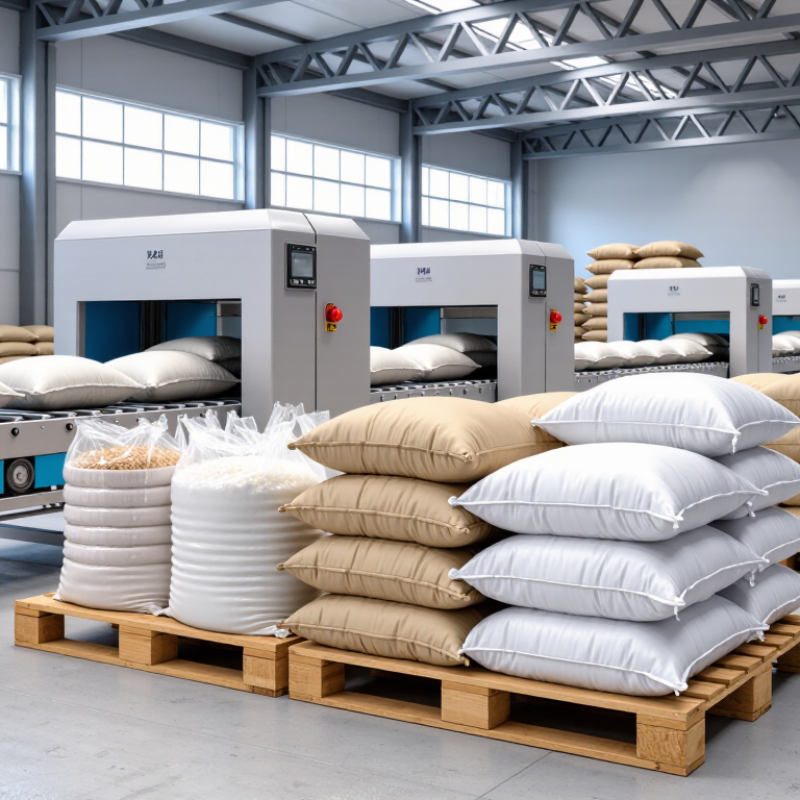
Woven Sack Bags are practical carriers built for demanding storage, transport, and handling needs. Their polypropylene or polyethylene tapes form a strong, flexible fabric. This structure helps protect rice, flour, animal feed, seeds, fertilizer, cement, and other dry products from tearing during movement. A filled bag can sit on a warehouse pallet, travel by truck, or pass through a filling machine with limited deformation.
Packaging engineer and woven-sack consultant Daniel M. Harper says, “The best woven sack is not simply strong; it matches the product, handling method, and storage environment.” That principle matters. A laminated sack may resist moisture better, while a breathable sack can suit agricultural products that require airflow. Valve construction supports faster filling. Printed surfaces also display product information, batch details, and handling instructions.
Woven Sack Bags serve more purposes than basic packaging. Manufacturers use them for construction powders, mineral products, pet food, recyclable materials, and industrial raw materials. Some include inner liners for added protection. Others use gussets, handles, or custom dimensions for easier stacking and carrying.
Still, no bag solves every packaging problem. Poor sizing can cause unstable pallets. Excessive moisture can damage contents. Weak stitching may fail before the material does. These details deserve attention.
This guide examines common applications, material choices, performance limits, and practical selection factors. It also considers an often-overlooked issue: a durable bag can reduce waste, but only when it is correctly designed, filled, stored, and responsibly managed after use.
What Are Woven Sack Bags?
Woven sack bags are flexible containers made by weaving narrow plastic tapes into a strong fabric. Most are produced from polypropylene or polyethylene. The crossing tapes create a firm surface that resists tearing, stretching, and ordinary handling. They are usually open-mouth or valve-style bags, with stitched or heat-sealed edges.
They are widely used for grain, animal feed, flour, seeds, fertilizer, sand, and other dry materials. A 25-kilogram bag may stand upright on a warehouse floor, while larger bags can move through filling and palletizing equipment.
Their woven structure allows some air movement, which can help dry goods during short-term storage. Clean inner liners are often added when finer powders need extra protection.
They are practical, but not perfect. Water can enter through the weave unless the bag has a coating or liner. Sharp corners may also damage the fabric. In my experience, choosing the correct thickness matters as much as choosing the right size. A bag that feels strong during filling may still weaken under sunlight, repeated lifting, or poor stacking. Storage conditions deserve attention. Keep sacks away from standing water, excessive heat, and rough floors. Even small handling mistakes can reduce their useful life.
How Woven Sack Bags Are Made and Designed
Woven sack bags are made by converting plastic resin into strong, flexible fabric. Manufacturers commonly melt polypropylene or polyethylene pellets into thin films. These films are then slit into narrow tapes. The tapes pass through a circular loom, where they interlace into a tubular fabric. This weaving pattern gives the bag strength without making it unnecessarily heavy.
Design decisions begin with the product inside. A fine powder may need a tighter weave to reduce leakage. Rough materials often require thicker fabric and reinforced seams. A laminated inner layer can improve moisture resistance, while a plain woven surface allows better air movement. After weaving, the fabric is cut to size, printed when needed, and stitched with strong thread. Handles, valve openings, and folded bottoms must be positioned accurately. Small errors can affect filling speed and stacking stability.
Quality checks usually include measuring weight, seam strength, dimensions, and resistance to tearing. In practical production, a bag can look excellent but still fail at the stitching line. That detail deserves attention. Designers also consider storage conditions, lifting methods, and repeated handling during transport. I have found that lighter material is not always the best choice. It may reduce cost, yet it can weaken the bag under sharp or uneven loads. Good design balances capacity, protection, usability, and realistic manufacturing limits.
What Are Woven Sack Bags Used For? - How Woven Sack Bags Are Made and Designed
| Application | Typical Contents | Why Woven Sacks Are Used | Recommended Design Features | Common Capacity Range | Important Handling Considerations |
|---|---|---|---|---|---|
| Agricultural Grains and Seeds | Rice, wheat, maize, barley, beans, and planting seeds | Strong woven construction provides practical protection during storage, stacking, and transport while allowing economical bulk packaging. | Polypropylene or polyethylene woven fabric, stitched seams, optional inner liner, and a secure sewn or heat-sealed closure | 25–50 kg per bag | Contents should be dry before filling. Bags should be stored on pallets and protected from moisture, rodents, and direct sunlight. |
| Flour, Sugar, and Powdered Food Products | Flour, starch, salt, sugar, and similar dry powders | Woven bags can provide high tensile strength and efficient use of storage space when combined with a liner that limits powder leakage. | Fine-weave fabric, polyethylene liner, dust-reducing inner layer, and strong top closure | 20–50 kg per bag | Food-contact materials must comply with the applicable regulations of the destination market. Clean filling equipment is essential. |
| Animal Feed | Pellets, livestock feed, poultry feed, and pet-food ingredients | Woven sacks resist tearing and are suitable for repeated handling through warehouses, trucks, and distribution centers. | High-strength woven fabric, reinforced bottom seam, optional laminated outer surface, and printed handling instructions | 20–50 kg per bag | Use dry, ventilated storage and avoid prolonged exposure to heat or humidity to help preserve feed quality. |
| Fertilizers | Granular, crystalline, or powdered agricultural fertilizers | They offer a lightweight packaging solution with good load-bearing performance and can be designed for moisture protection. | Laminated fabric or liner, corrosion-resistant stitching, strong seams, and a closure suited to the fertilizer type | 25–50 kg per bag | Some fertilizers absorb moisture or may affect packaging materials. Compatibility testing and dry storage are recommended. |
| Construction Materials | Cement, mortar, plaster, sand, gravel, and dry building mixtures | Woven sacks can withstand rough handling and provide a practical format for moving heavy dry materials. | Heavy-duty fabric, reinforced seams, dust-control liner, and optional laminated or coated surface | 25–50 kg per bag | For fine powders, the bag structure must control leakage. Filled bags should not be dragged across abrasive surfaces. |
| Chemicals and Industrial Powders | Mineral powders, pigments, resins, and selected dry chemical products | Custom fabric weight, liners, and closures can be selected to match containment and handling requirements. | Material-compatible liner, laminated fabric, secure closure, batch identification, and clear hazard labeling where required | 10–50 kg per bag | Packaging compatibility, regulatory labeling, static-control needs, and safe handling procedures must be evaluated for each substance. |
| Recycling and Waste Collection | Plastic recyclables, textile scraps, agricultural waste, and non-hazardous debris | Reusable woven sacks can provide high carrying capacity and better tear resistance than many thin film bags. | Durable fabric, reinforced handles or lifting loops, wide opening, and washable or replaceable liner when appropriate | 30–1,000 kg, depending on bag construction | Do not reuse a bag for food or feed after it has contained hazardous, contaminated, or unidentified material. |
| Bulk Handling and FIBC Applications | Large quantities of powders, granules, seeds, and industrial materials | Flexible intermediate bulk containers use woven fabric to move much larger loads efficiently with lifting equipment. | Multiple lifting loops, top filling inlet, bottom discharge outlet, reinforced seams, and a load-rated body design | Approximately 500–2,000 kg per bag | Safe working load, stacking limits, lifting method, and inspection requirements must be followed for every bag design. |
| Retail and Promotional Packaging | Garden soil, charcoal, pet products, grain products, and household materials | Woven fabric provides a printable outer surface and supports packaging designs that are durable during retail handling. | Color printing, laminated surface, easy-open top, carrying handle, and product-specific barrier layer | 1–25 kg per bag | Artwork should remain legible after folding and handling. Product information must meet local labeling requirements. |
| Reusable Shopping and Storage Bags | Groceries, household goods, gardening supplies, and general merchandise | Woven bags can be lightweight, washable, foldable, and reusable when designed for repeated use. | Flat or gusseted body, stitched handles, reinforced stress points, and optional laminated or water-resistant finish | 5–30 kg per bag | Actual carrying capacity depends on fabric weight, handle construction, stitching, and the way the load is distributed. |
Note: Capacity ranges are typical industry packaging ranges rather than universal specifications. Final performance depends on fabric construction, seam strength, liner selection, closure method, filling process, storage conditions, and applicable safety or food-contact requirements.
Which Materials Are Commonly Packed in Woven Sack Bags?
What Are Woven Sack Bags Used For?
Woven sack bags commonly pack dry, solid materials that need strength, ventilation, and economical handling. Their woven polypropylene fabric resists tearing during filling, stacking, and transport. Common contents include rice, wheat, maize, flour, sugar, beans, and other grains. Smaller farms and large processing facilities both use them.
Animal feed is another frequent application. Pellets, crushed grains, and mineral mixtures can be filled into sacks with printed handling information. Construction suppliers also pack cement, sand, gypsum powder, and dry mortar in reinforced woven bags. Fertilizer products may use coated versions to reduce moisture exposure. The correct material depends on particle size, weight, and storage conditions.
Not fully waterproof.
A packaging inspection should check stitching, seams, liner quality, and weight capacity before purchase. Food products usually require clean, food-contact-suitable materials and controlled storage areas. A laminated or lined sack can offer extra protection, but it cannot replace dry warehouses and careful pallet placement. Condensation remains a problem in humid climates. In practice, even a strong sack may fail when sharp particles, overloaded filling, or rough hooks are involved. That detail is easy to overlook. Suppliers should also confirm applicable packaging and transport requirements for the destination market, because specifications can differ.
What Are Woven Sack Bags Used For?
Woven polypropylene sacks are commonly used for agricultural, food, construction, and industrial materials. The chart shows the approximate mass of different bulk materials that may fit into a 50-liter woven sack, based on typical bulk-density ranges.
Approximate values: actual packed weight varies according to moisture content, particle size, compression, filling method, and sack design. Woven sacks are also widely used for fertilizer, animal feed, flour, sugar, rice, grain, sand, and other dry bulk products.
How Woven Sack Bags Are Used Across Different Industries
What Are Woven Sack Bags Used For?
Woven sack bags serve different industries because they combine strength, flexibility, and efficient storage. In agriculture, growers use them for rice, flour, seeds, animal feed, and fertilizer. Their woven structure supports heavy loads while allowing easier stacking on pallets. A well-stitched bag can survive repeated handling, though rough hooks may still damage it.
Construction suppliers commonly pack cement, sand, gravel, and other dry materials in woven sacks. The bags help reduce dust during transport and keep products organized in warehouses. Food processors may choose laminated versions for better moisture protection. Packaging should match the product, however. A standard sack is not automatically suitable for food contact or damp storage. Requirements vary by region and application.
Tips: Check the bag’s weight rating, seam quality, and inner lining before ordering. Store filled sacks on clean pallets, away from standing water and sharp edges. Test a small batch first. This simple step often reveals problems that product descriptions miss. Reusable designs can support waste reduction, but reuse depends on cleanliness, damage, and the previous contents. That detail is easy to overlook.
What Advantages and Limitations Do Woven Sack Bags Have?
Woven sack bags are widely used for rice, flour, animal feed, seeds, fertilizer, and construction materials. Their woven plastic threads create a strong, flexible container for heavy dry goods. A stitched bottom and reinforced opening help the bag survive loading, stacking, and transport. In warehouses, workers often move filled sacks by hand or on pallets. The texture also provides a practical grip.
Their main advantage is strength without excessive weight. Polypropylene fabric resists tearing, abrasion, and repeated handling better than many paper alternatives. The open weave can improve ventilation, which helps certain dry agricultural products release heat. These bags also fold flat before use, saving storage space. Their production cost is often reasonable for large-volume packaging.
Useful, but not perfect.
Moisture remains a serious limitation. Water can pass through uncoated fabric, while damp contents may clump or spoil. A laminated inner layer improves protection, but it can reduce breathability and complicate recycling. Direct sunlight may weaken the material over time, especially during outdoor storage. Sharp corners can puncture the fabric, and overloaded bags may split at the seams. Small details matter. In real operations, bag size, coating, stitching quality, and handling conditions should be tested together. A sack that performs well in a dry warehouse may fail during humid transport. That possibility deserves more attention.