
What Is Undenatured Collagen and How Does It Work?
What Is Undenatured Collagen and How Does It Work? The answer begins with processing, not marketing. Undenatured Collagen usually refers to type II collagen preserved in its natural, three-dimensional form. Gentle processing helps retain specific molecular regions, often called epitopes. These regions may interact with the immune system differently from fully hydrolyzed collagen peptides.
Dr. David Trentham, a rheumatologist and pioneer in oral-tolerance research, described the central idea this way: “The concept is to induce tolerance to collagen by feeding collagen.” In practical terms, small amounts pass through the digestive system and may help regulate immune reactions toward collagen. This process is not the same as directly rebuilding worn cartilage. That distinction matters.
Research on undenatured type II collagen has mainly examined joint comfort, mobility, and osteoarthritis-related symptoms. Some clinical trials report modest improvements, while results vary by product, dose, study design, and participant health. The evidence is promising, but not conclusive. Real bodies are complicated.
Imagine a stiff knee after climbing stairs. A supplement may support comfort over time, but it cannot guarantee structural repair. Quality also matters. Look for transparent labeling, standardized ingredients, safety testing, and human clinical evidence. People with allergies, autoimmune conditions, or regular medications should seek qualified medical advice. Even experts must acknowledge uncertainty. Undenatured Collagen may be useful for some adults, yet it should complement—not replace—exercise, weight management, physical therapy, or professional care.
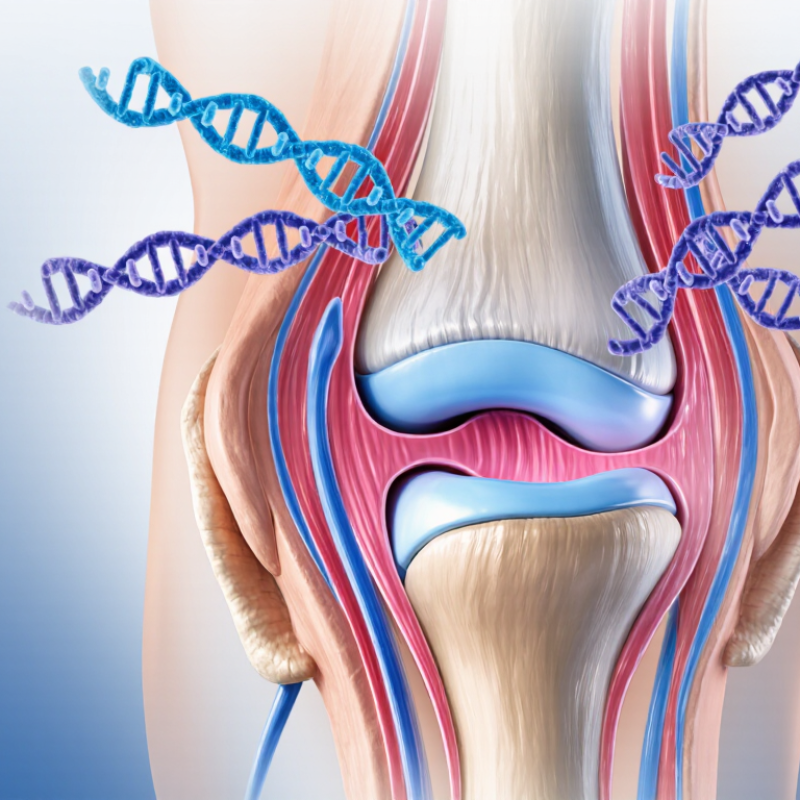
What Undenatured Collagen Is
Undenatured collagen is collagen kept close to its natural three-dimensional structure. It is usually derived from type II collagen found in cartilage. Gentle processing helps preserve small regions called epitopes. These regions may interact with immune cells in the digestive tract. This differs from hydrolyzed collagen, which is broken into smaller peptides for absorption as amino acids.
Researchers propose that undenatured collagen may support oral immune tolerance. In simple terms, the immune system may learn to react less aggressively to collagen-related signals. This process could influence inflammatory activity around joints. Evidence from clinical studies is promising but still limited. Results may depend on dose, product quality, study design, and a person’s health. It is not a replacement for medical treatment. That distinction matters.
Tips:
Check the ingredient label for “undenatured” or “native” type II collagen. Do not assume every collagen powder works the same way. Follow the tested serving size. People with allergies, autoimmune conditions, or regular medicines should ask a qualified healthcare professional before use. Keep expectations realistic. Joint comfort can change slowly, and supplements do not repair damaged cartilage overnight. Some explanations about immune tolerance remain theoretical, so careful interpretation is necessary.
How Undenatured Collagen Differs from Hydrolyzed Collagen
What Is Undenatured Collagen and How Does It Work?
Undenatured collagen keeps much of its original three-dimensional structure. It is commonly obtained from type II collagen and processed gently.
Hydrolyzed collagen follows a different path. Enzymes break it into smaller peptides, which are easier to dissolve and digest. Undenatured collagen remains largely intact. Hydrolyzed collagen is more like a collection of short building blocks. Neither form is automatically better. Their possible roles differ.
Undenatured collagen may interact with immune activity in the digestive tract. This response could help regulate processes linked with joint comfort. The evidence is promising, but it is not complete. Hydrolyzed collagen supplies amino acids and peptides used throughout the body. These materials may support collagen production in skin, tendons, and connective tissue.
In practical use, results can vary with age, diet, exercise, and existing joint problems. I would avoid treating either form as a guaranteed repair solution. The biology is more complicated than a label suggests.
Tips: Check the collagen type and processing method before buying. Follow the serving guidance carefully. Give your body time to respond. Keep expectations realistic. If joint pain persists, consult a qualified healthcare professional.
How Undenatured Collagen Works in the Body
What Is Undenatured Collagen and How Does It Work?
Undenatured collagen is a minimally processed form of type II collagen. Its three-dimensional structure remains largely intact. That detail matters because the body may recognize it differently from collagen peptides. Instead of supplying large amounts of building material, it may influence immune activity in the gut.
After swallowing, intact collagen reaches immune tissues lining the small intestine. Specialized cells sample its proteins and present them to nearby immune cells. This exposure may encourage immune tolerance toward collagen found in joint cartilage. Regulatory T cells can then help reduce excessive immune signaling. Some studies suggest lower levels of inflammatory messengers may follow.
The process is subtle. It does not rebuild damaged cartilage overnight. It may support a calmer joint environment, especially when immune reactions contribute to discomfort. However, the exact pathway remains under study, and human trials have produced mixed results. Many studies are also small or short. That deserves honesty.
In practical terms, undenatured collagen should be viewed as a possible supportive option, not a guaranteed treatment. Joint symptoms can also reflect injury, osteoarthritis, autoimmune disease, or other conditions. A qualified healthcare professional can help identify the cause before supplementation begins. Evidence is promising in places, but it is not complete.
What Is Undenatured Collagen and How Does It Work?
Undenatured collagen retains the native triple-helical structure of collagen, including conformational epitopes that may interact with immune cells in gut-associated lymphoid tissue.
The native type II collagen molecule is approximately 300 kDa as a complete triple helix, while an individual collagen alpha chain is about 130 kDa. Hydrolyzed collagen consists mainly of much smaller peptides, commonly below 5 kDa. In the body, undenatured type II collagen is thought to support oral immune tolerance by influencing regulatory immune responses rather than by directly replacing cartilage.
Values are approximate molecular-mass references for structural comparison; they are not measurements of clinical effectiveness. Sources: standard collagen biochemistry references and reviews of oral tolerance mechanisms.
Potential Uses and Health Benefits
Undenatured collagen is usually type II collagen processed gently enough to preserve its natural three-dimensional structure. This differs from hydrolyzed collagen, which is broken into smaller peptides. The distinction matters because undenatured collagen may interact with the immune system in the gut. Researchers call this process oral tolerance. It may help reduce an exaggerated immune response toward collagen in joint tissues.
Its most studied use is supporting joint comfort, especially in people with mild knee discomfort or stiffness. Some clinical trials report better movement and less daily discomfort after several weeks of consistent use. A practical example is easier stair climbing or less stiffness after sitting at a desk. Benefits appear modest, not dramatic. It will not rebuild damaged cartilage overnight. That expectation deserves correction.
Athletes sometimes consider it for exercise-related joint strain, although the research remains limited. Undenatured collagen may also support normal joint function when combined with strength training, balanced nutrition, and healthy body weight. The supplement is not a replacement for medical care, physical therapy, or prescribed treatment. Evidence quality varies, and study results do not always agree. That is the inconvenient part. People with allergies, autoimmune conditions, pregnancy, or ongoing medication use should seek professional advice before trying it. A clinician can review the ingredient source, dosage, and personal risks. Track pain, stiffness, and mobility for several weeks instead of relying on vague impressions.
What Is Undenatured Collagen and How Does It Work? - Potential Uses and Health Benefits
| Data Dimension | Evidence-Based Information | What It May Mean |
|---|---|---|
| Definition | Undenatured collagen is collagen that has been processed under relatively mild conditions so that its natural three-dimensional structure and some biological activity are retained. | It differs from hydrolyzed collagen peptides, which are broken down into smaller protein fragments during processing. |
| Common source | Most studied preparations are derived from animal connective tissues, particularly type II collagen from cartilage. | The source should be checked carefully by people with allergies, dietary restrictions, or religious and ethical concerns. |
| Primary collagen type | Undenatured type II collagen is mainly associated with articular cartilage, where it contributes to the tissue’s structural framework. | Its potential relevance is greatest for joint and cartilage-related research, rather than for every collagen-related health outcome. |
| Proposed mechanism | Small amounts may interact with immune tissues in the digestive tract and promote immune tolerance to collagen-related antigens. | The proposed action is regulatory or immune-modulating, not simply the direct replacement of damaged cartilage. |
| Difference from hydrolyzed collagen | Hydrolyzed collagen is enzymatically or chemically broken into peptides and is commonly studied as a source of amino acids and collagen peptides. | Evidence for hydrolyzed collagen cannot automatically be applied to undenatured collagen because the products have different structures and proposed mechanisms. |
| Potential use: osteoarthritis | Clinical studies of undenatured type II collagen have reported possible improvements in joint symptoms and physical function in some adults with osteoarthritis. | It may be considered a complementary option, but it should not replace exercise, weight management, physical therapy, or prescribed treatment. |
| Potential use: exercise-related joint comfort | Some research in physically active adults suggests possible benefits for joint comfort, mobility, or activity-related discomfort, although findings are not uniform. | Results may vary according to the population, product preparation, dose, study duration, and outcome measured. |
| Potential use: rheumatoid arthritis research | Undenatured type II collagen has been investigated in rheumatoid arthritis, but clinical findings remain mixed and it is not an established replacement for disease-modifying therapy. | People with inflammatory arthritis should consult a qualified healthcare professional before using it as a supplement. |
| Skin benefits | Evidence for skin hydration, elasticity, or wrinkle reduction mainly concerns hydrolyzed collagen peptides, not undenatured type II collagen. | Skin-related claims should not be assumed to apply to undenatured collagen unless the specific preparation has been studied. |
| Bone health | Collagen contributes to bone structure, but direct evidence that undenatured collagen improves bone density or prevents fractures is limited. | It should not be treated as a substitute for adequate calcium, vitamin D, resistance exercise, or medical osteoporosis care. |
| Typical research dose | Clinical studies have commonly examined low daily amounts of undenatured type II collagen, often in the range of approximately 10–40 mg per day, depending on the product and protocol. | Dose comparisons are difficult because formulations, extraction methods, and study designs differ. Follow the product label or professional advice. |
| Time to potential effect | Joint-related studies have often assessed outcomes after several weeks to a few months rather than immediately after use. | A lack of immediate improvement does not necessarily predict long-term results, but persistent symptoms require appropriate clinical evaluation. |
| Reported side effects | Clinical studies generally report good short-term tolerability, although mild digestive symptoms, headache, or skin reactions may occur. | Stop use and seek medical advice if a severe or persistent reaction occurs. |
| Allergy and source considerations | Products made from fish, poultry, or other animal tissues may contain source-specific allergens or may not meet vegetarian or vegan requirements. | Review the full ingredient and allergen information, especially when food allergies are present. |
| Pregnancy and breastfeeding | Specific safety evidence for many undenatured collagen supplements during pregnancy and breastfeeding is limited. | Consult a healthcare professional before use during pregnancy or breastfeeding. |
| Evidence limitations | Studies vary in sample size, duration, collagen preparation, participant characteristics, and symptom measurements. Some trials are small or have potential sponsorship bias. | The evidence is promising for selected joint outcomes but is not strong enough to support broad claims for all health conditions. |
| Practical conclusion | Undenatured collagen is a structurally preserved collagen preparation with its strongest research focus on joint-related outcomes. | It may offer modest complementary support for some people, but it is not a guaranteed treatment or a replacement for evidence-based medical care. |
Note: Dietary supplements can vary in quality and composition. Health claims should be interpreted in the context of the specific collagen preparation, dose, and available clinical evidence.
Safety, Dosage, and Selection Considerations
Undenatured collagen is usually a carefully processed form of type II collagen. It keeps its natural three-dimensional structure. This differs from hydrolyzed collagen, which is broken into smaller peptides. Researchers suggest undenatured collagen may interact with immune tissues in the gut. That interaction could help moderate joint-related immune responses. The mechanism remains under study. It is not simply “more collagen” for cartilage.
Safety depends on the ingredient, dose, and personal health history. Clinical studies often use small daily amounts, commonly around 40 milligrams of undenatured type II collagen. Do not copy a study dose automatically. Follow the product label and ask a qualified healthcare professional when needed. People with poultry allergies should check the source carefully. Pregnancy, breastfeeding, autoimmune conditions, and regular medication use deserve extra caution. Stop using it if rash, swelling, breathing trouble, or persistent stomach discomfort appears. Seek urgent care for severe allergic symptoms.
Selection requires more than attractive joint claims. Look for the exact collagen type, source, serving size, and storage instructions. Independent testing can help verify identity, purity, and contamination controls. A clear batch number matters. So does realistic wording. “Supports joint comfort” is more credible than a promise to rebuild damaged cartilage. Evidence is encouraging, but not flawless. Some people notice gradual comfort after several weeks; others notice nothing. That uncertainty should shape expectations. Keep the container dry, record your starting date, and review results after eight to twelve weeks.