Top 10 Tips for Choosing the Best Cement Feeder Solutions?
Choosing the right Cement Feeder is crucial for construction projects. A cement feeder distributes materials accurately and ensures efficiency. Selecting the best solution can be daunting due to various options available.
Understanding your project's specific needs is vital. Consider factors such as capacity, material compatibility, and automation features. Not all cement feeders are equal in performance. Some may fall short in reliability or precision. Researching brands and models will help in finding proven solutions.
It’s equally important to evaluate maintenance and support services. A reputable manufacturer should provide solid customer support. Users often overlook long-term service, which can lead to frustrations later. Investing time in understanding the features and limitations of different cement feeders can save money and time in the long run. Take a moment to reflect on your choices. Are you prioritizing quality over cost?
Understanding the Importance of Cement Feeders in Construction
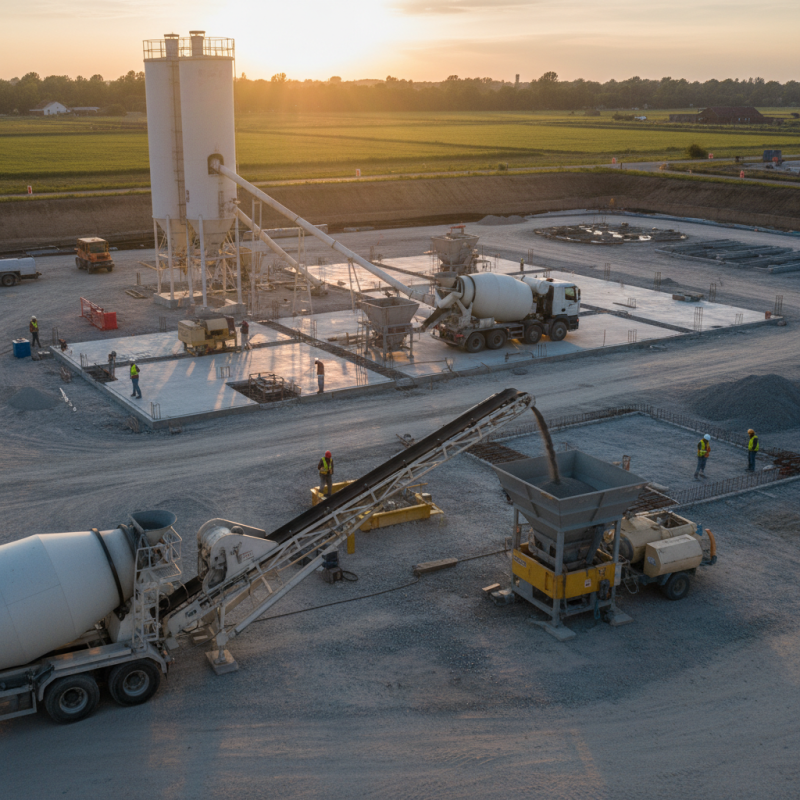
Cement feeders play a vital role in construction. They ensure the precise delivery of cement to mixing plants. This process boosts efficiency and maintains project timelines. According to industry reports, proper feeder systems can reduce material waste by up to 15%. This efficiency is critical in large-scale operations.
Understanding how cement feeders operate is crucial. These systems use gravity and mechanical methods to transport cement. A study revealed that poorly calibrated feeders can lead to inconsistent mixes. This inconsistency may result in structural weaknesses. A contractor needs reliable equipment to avoid these pitfalls.
Choosing the right cement feeder can be challenging. Factors include capacity, material compatibility, and cost-effectiveness. Optimized systems can significantly lower operational costs. Furthermore, they enhance safety by minimizing dust exposure during handling. When selecting feeders, consideration of these elements can lead to lasting improvements in project outcomes.
Top 10 Tips for Choosing the Best Cement Feeder Solutions
This chart illustrates the key factors to consider when selecting cement feeder solutions, including capacity, accuracy, durability, maintenance costs, ease of use, installation time, versatility, energy efficiency, support quality, and overall cost.
Key Factors to Consider When Selecting Cement Feeder Solutions
When selecting cement feeder solutions, understanding key factors is crucial. Look into design features that ensure reliable performance. A robust design often leads to better durability and fewer operational issues. Evaluate the material quality. High-quality materials can resist wear and tear, enhancing the feeder's lifespan.
Efficiency is another important consideration. A well-designed feeder minimizes waste and optimizes flow rates. Make sure to assess any technological advancements. Automation features, for example, can improve accuracy and reduce labor costs. However, it’s essential to conduct thorough research to ensure these features truly offer value.
Lastly, think about maintenance needs. A feeder that is easy to maintain can save time and costs in the long run. While advanced features are enticing, they can also complicate repairs. It's important to strike a balance between innovation and practicality. Users should not overlook service and support options from manufacturers, as these can greatly affect efficiency. Consider all these factors carefully to make a more informed decision.
Evaluating Different Types of Cement Feeders Available on the Market
When considering cement feeders, understanding the various types available is crucial. The market offers gravity feeders, pneumatic feeders, and screw feeders, each designed for specific applications. According to a recent market report, pneumatic feeders have gained popularity, especially in environments requiring higher precision and minimal dust emissions.
Evaluating the right cement feeder necessitates analyzing both capacity and efficiency. A gravity feeder is often simpler but may lack the control that pneumatic solutions provide. It's essential to weigh the cost against operational efficiency. For instance, pneumatic feeders can reduce waste by 15%, which can be significant in large projects.
Tip: Always assess the feeder's compatibility with your existing system. Understanding the specific requirements of your operation will help streamline the selection process. Additionally, consider factors like installation space and accessibility for maintenance. A well-chosen feeder can enhance productivity and reduce downtime.
Top 10 Tips for Choosing the Best Cement Feeder Solutions
| Type of Cement Feeder | Capacity (Ton/h) | Material Type | Power Requirement (kW) | Price Range ($) | Maintenance Frequency (Months) |
|---|---|---|---|---|---|
| Screw Feeder | 5-20 | Steel | 3-5 | 1500-5000 | 6 |
| Pneumatic Feeder | 10-30 | Aluminum | 4-6 | 2000-8000 | 12 |
| Belt Feeder | 15-50 | Rubber | 5-8 | 3000-10000 | 8 |
| Batch Feeder | 2-25 | Steel | 3-7 | 1800-6000 | 10 |
| Vibratory Feeder | 3-15 | Stainless Steel | 2-4 | 1000-4000 | 5 |
Assessing the Performance and Reliability of Cement Feeders
When assessing cement feeder solutions, performance and reliability are critical factors. An effective cement feeder should maintain consistent flow rates. It should provide accurate dosing to prevent wastage. Regular maintenance is necessary to avoid downtime. Look for features like wear-resistant materials and efficient dust control. These factors contribute to a more reliable operation.
Performance tests can evaluate a feeder's efficiency. Check for consistency in delivering the right amount of cement across various conditions. It's beneficial to consider the feeder's adaptability to different applications. A machine that struggles under variable loads may lead to issues. Furthermore, review user feedback and case studies. Real-world experiences often highlight both strengths and weaknesses.
Reliability is not just about good performance; it's also about longevity. A feeder may excel initially but fail after short use. Investigate warranty options and service support from manufacturers. These will reflect their confidence in their product. A transparent history of repairs and replacements can give insight into long-term reliability. Ultimately, choosing the right feeder requires careful evaluation of both performance and potential weaknesses.
Budgeting for Your Cement Feeder Purchase: Cost vs. Quality Analysis
When budgeting for cement feeder solutions, cost and quality must be in sync. Many industry reports highlight that low-cost feeders often compromise on durability. A study found that cheaper options can lead to increased operational costs over time due to frequent breakdowns. For example, the total cost of ownership for a low-end feeder can be 30% higher than expected.
Quality is not merely a luxury; it’s an investment. High-quality cement feeders typically offer better material handling and efficiency. Research shows that using premium feeders can boost productivity by up to 25%. This means fewer disruptions and higher output, which justifies the upfront cost. However, buyers tend to focus only on initial pricing.
Balancing cost and quality is tricky. Some buyers underestimate maintenance expenses. A reliable feeder may be pricier initially but can reduce long-term repair costs. Keep in mind that warranties and service support are often linked to quality. While a lower price point is enticing, the premium spent on quality can lead to significant savings down the line.