Top 10 Flour PP Woven Bag Manufacturers Worldwide
Choosing the right Flour Pp Woven Bag manufacturer requires more than comparing prices or viewing attractive product photos. Flour packaging must protect fine powder from moisture, dust, tearing, and rough warehouse handling. Reliable suppliers understand these risks. They also control woven fabric strength, lamination quality, stitching accuracy, printing clarity, and bag weight. This guide introduces ten manufacturers with international market visibility and relevant production capabilities. It considers practical factors, including factory experience, production scale, quality systems, export service, customization options, and responsiveness.
The selection is not presented as an absolute ranking. Supplier performance can change with equipment upgrades, material costs, and regional demand. Buyers should verify certifications, sample quality, lead times, and food-contact suitability before signing contracts. A strong factory should explain its polypropylene grade clearly. It should also provide test data for tensile strength, seam performance, and moisture resistance. Small details matter. A loose stitch can cause costly leakage. A blurred logo can weaken brand presentation. Some manufacturers may perform well for bulk orders but offer limited flexibility for smaller businesses. That distinction deserves attention. We have therefore aimed to balance production capability with practical buyer experience, rather than relying only on company size. The following overview offers a focused starting point for importers, flour mills, distributors, and private-label brands seeking dependable Flour Pp Woven Bag partners worldwide. Prices and capabilities still require direct confirmation. That part is easy to overlook.
What Are Flour PP Woven Bags and Where Are They Used?
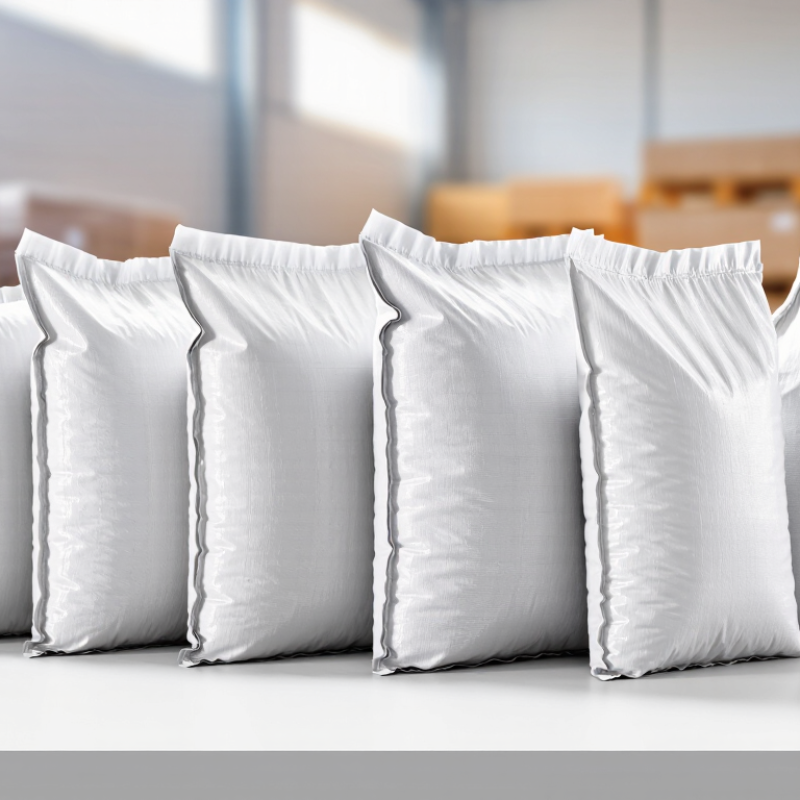
Flour PP woven bags are made from woven polypropylene tapes, creating a strong, flexible fabric for dry-food packaging. The material matters. These bags usually include an inner liner or laminated surface to reduce moisture entry and flour leakage. Common sizes range from small bakery packs to large commercial sacks. Their final design depends on filling equipment, transport distance, and storage conditions.
Mills, bakeries, wholesalers, and food ingredient distributors use them for wheat flour, rice flour, starch, and similar powders. A tightly stitched base helps prevent bursting during stacking. Printed surfaces also support batch details, handling instructions, and traceability. In warehouse use, bags should rest on clean pallets, away from damp floors and sharp edges. Small storage mistakes can still damage good packaging.
Reliable manufacturers normally control fabric weight, seam strength, bag dimensions, and cleanliness through documented inspections. Food-contact suitability must match the intended product and regional requirements. Not every woven bag qualifies. Buyers should request material specifications, test records, and samples before placing large orders. In practical packaging evaluations, a bag may look strong but perform poorly when overfilled or exposed to repeated handling. This is an often-missed weakness. Proper filling limits and trained operators matter as much as the bag itself.
How to Evaluate Global Flour Bag Manufacturers
Selecting a flour PP woven bag manufacturer requires more than comparing unit prices. FAO’s Food Outlook, June 2024, forecast global wheat production at about 789 million tonnes. That scale demands stable supply, consistent stitching, and dependable food-contact controls. Ask manufacturers for production capacity, batch records, resin specifications, and test results for tensile strength, seam performance, moisture resistance, and migration safety.
Production experience matters. Request samples from different batches, then inspect the weave under bright light. Uneven tapes, loose stitching, or powder trapped in the seam can reveal process weaknesses. A reliable supplier should explain how it controls fabric weight, bag dimensions, printing adhesion, and pallet loading. It should also provide traceability from raw material to finished shipment. Short answers are warning signs.
Price still matters, but it should not lead the evaluation. The OECD Global Plastics Outlook reported that packaging represented about 40% of global plastic waste in 2019. This makes material efficiency and recyclability relevant procurement questions. Ask whether the bag uses recyclable PP, avoids unnecessary layers, and supports responsible end-of-life handling. Factory audits are useful, though not perfect. I would not treat one successful visit as permanent proof. Review corrective-action records, worker training, complaint rates, and delivery history over time. Small details often expose larger risks.
Top 10 Flour PP Woven Bag Manufacturers Worldwide: How to Evaluate Global Flour Bag Manufacturers
Recommended evaluation weighting for comparing food-grade flour PP woven bag suppliers
Food-contact compliance and product quality should receive the highest priority when evaluating flour bag manufacturers. Buyers should also verify seam strength, printing accuracy, production capacity, quality-control traceability, delivery performance, customization capability, and sustainability practices through audits, samples, certifications, and production records.
Top 10 Flour PP Woven Bag Manufacturers Worldwide
The top ten flour PP woven bag manufacturers are judged by more than production volume. Their real strength appears in daily factory details. Reliable suppliers use food-contact raw materials, clean production areas, and controlled extrusion lines. They test fabric strength, seam durability, bag weight, and printing accuracy. A strong manufacturer also provides traceable batch records and consistent delivery schedules. These practices help mills reduce leakage, dust, and damaged pallets during transport. Experience matters here. Flour is fine, heavy, and surprisingly difficult to contain.
The leading manufacturers usually offer laminated or unlaminated bags, custom dimensions, valve openings, and moisture-resistant designs. They should explain polypropylene grades clearly and share inspection reports without hesitation. Independent audits can verify hygiene controls, worker safety, and environmental procedures. Small details count. A loose stitch can waste an entire shipment. Buyers should compare sample bags under realistic filling and stacking conditions. I would also check how quickly a supplier handles complaints, not only how polished its catalog looks. No ranking is flawless. Prices, shipping distance, and regional standards can change the final choice. A manufacturer that performs well in one climate may need design adjustments elsewhere. Careful buyers should request current test data, production samples, and written specifications before approving large orders.
Top 10 Flour PP Woven Bag Manufacturers Worldwide
| Rank | Anonymous Manufacturer Profile | Primary Production Region | Typical Flour Bag Capacity | Common Bag Dimensions | Material Structure | Printing Capability | Food-Packaging Compliance | Typical Applications |
|---|---|---|---|---|---|---|---|---|
| 01 | Large-scale integrated woven-bag producer | East Asia | 5–50 kg | 40 × 60 cm to 55 × 95 cm | PP woven fabric; optional PE liner | Flexographic printing, up to 8 colors | Food-contact documentation available by specification | Retail flour, bakery flour, grain blends |
| 02 | High-volume laminated packaging producer | South Asia | 10–50 kg | 45 × 75 cm to 60 × 100 cm | PP woven fabric with BOPP or PE lamination | Rotogravure or flexographic printing | ISO 9001-based quality systems; food-contact options | Commercial flour and institutional packing |
| 03 | Export-focused FIBC and small-sack manufacturer | Southeast Asia | 5–25 kg | 35 × 50 cm to 50 × 85 cm | Coated or uncoated PP woven fabric | 1–6 color surface printing | Batch traceability and migration testing by order | Household flour and food-service packs |
| 04 | Custom printed industrial sack supplier | Middle East | 10–50 kg | 45 × 75 cm to 60 × 95 cm | Heavy-duty PP woven fabric; optional liner | Up to 6-color flexographic printing | Applicable national food-contact requirements | Flour mills, wholesalers, and export packaging |
| 05 | Flexible packaging specialist with liner integration | Europe | 5–25 kg | 35 × 50 cm to 50 × 80 cm | PP woven outer bag with sewn or inserted PE liner | High-resolution laminated printing | EU food-contact compliance available for selected materials | Premium retail and specialty flour |
| 06 | Agricultural and food-grade sack producer | Latin America | 10–50 kg | 45 × 75 cm to 60 × 100 cm | Virgin or approved recycled-content PP, subject to use | 1–4 color flexographic printing | Product declarations and testing available by market | Wheat flour, maize flour, and feed ingredients |
| 07 | Mid-to-large contract packaging manufacturer | North America | 10–25 kg | 40 × 60 cm to 50 × 85 cm | Laminated PP woven fabric with optional valve construction | Custom graphics and barcode printing | FDA-related food-contact documentation where applicable | Retail, food-service, and private-label flour |
| 08 | Cost-efficient woven polypropylene bag producer | South Asia | 5–50 kg | 40 × 60 cm to 60 × 100 cm | Uncoated or coated PP woven fabric | Up to 6-color printing | Material certificates and quality inspection reports | Bulk flour and regional distribution |
| 09 | Small-batch customized food-sack manufacturer | Africa | 5–25 kg | 35 × 50 cm to 50 × 85 cm | PP woven fabric with optional inner liner | 1–4 color printing | Food-grade material options subject to testing | Local flour mills and consumer packs |
| 10 | Regional packaging converter with recycling options | Eastern Europe | 5–50 kg | 40 × 60 cm to 60 × 100 cm | Mono-material PP woven construction or PE-lined format | Flexographic printing, up to 6 colors | EU market documentation available by material grade | Flour, semolina, starch, and powdered food products |
Note: Specifications are representative industry ranges for flour-grade PP woven sacks. Final dimensions, material composition, printing colors, liner type, certifications, and food-contact approvals should be confirmed with the selected supplier for each order and destination market.
Comparing Product Quality, Capacity, and Customization Options
Top 10 Flour PP Woven Bag Manufacturers Worldwide
Comparing the top ten manufacturers requires more than checking photographs or quoted prices. Product quality appears in measurable details, including fabric density, seam strength, lamination consistency, and print accuracy. For flour packaging, a reliable bag should resist tearing during filling, stacking, and transport. Inspectors should request tensile test results, drop-test records, and sample bags from recent production. Small defects matter. Uneven stitching can allow fine flour dust to escape.
Production capacity also affects purchasing reliability. A factory may advertise high monthly output, yet available capacity can change during seasonal demand. Buyers should confirm daily loom production, printing lines, warehouse space, and typical lead times. A useful comparison includes minimum order quantities and replacement policies for defective bags. Numbers need evidence. An on-site audit or independent inspection offers stronger assurance than a sales statement alone.
Customization separates a basic supplier from a practical packaging partner. Options may include bag dimensions, fabric weight, valve or open-mouth construction, inner liners, carrying handles, and multi-color printing. Artwork should remain readable on curved or folded surfaces. Some manufacturers offer fast samples, but sample quality may exceed mass-production quality. That gap deserves attention. Before approval, buyers should compare sealed seams, stacking performance, color consistency, and handling comfort under realistic warehouse conditions. A slightly cheaper bag can become expensive when damaged pallets slow distribution.
How to Choose the Right Manufacturer for Flour Packaging
Choosing the right flour PP woven bag manufacturer requires more than comparing unit prices. FAO’s Food Outlook 2024 projected global wheat production at approximately 789 million tonnes, showing the enormous scale of flour supply chains. A suitable manufacturer should demonstrate stable extrusion, weaving, lamination, and stitching controls. Ask for recent test records covering tensile strength, seam strength, drop resistance, and moisture protection. Request samples filled with flour, not empty bags. That detail matters.
Food-contact documentation should identify the polymer grade, additives, inks, and migration-test method. The manufacturer should also maintain traceability from resin batch to finished pallet. Audits against recognized food-safety systems can strengthen reliability. Check whether production follows documented procedures, calibrated equipment, and corrective-action records. Certifications alone are not enough. Sometimes, a clean factory visit reveals more than a polished certificate.
Bag design must match transport realities. A 25-kilogram bag needs different handling performance from a 50-kilogram industrial sack. Evaluate valve accuracy, pallet stability, print durability, and dust control during filling. The OECD Global Plastics Outlook (2022) identifies packaging as the largest generator of plastic waste, so ask about mono-material construction, recyclability, and responsible scrap handling. Lower weight may reduce material use, but excessive thinning can increase leakage and product loss. I have seen specifications look efficient on paper and fail during humid warehouse storage. Independent pre-shipment inspection is worth considering, especially for the first production order.