What Are the Top 10 Vitamin A Food Supplements?
Choosing a Vitamin A Food Supplement is less about finding the highest number on a label and more about matching the form and dose to a real need. The NIH Office of Dietary Supplements lists adult recommended intakes of 900 micrograms RAE for men and 700 for women. It also sets an upper limit of 3,000 micrograms RAE daily for preformed vitamin A in adults. These figures matter because retinol and beta-carotene are not interchangeable in how the body handles them.
The market is expanding, but market growth does not prove that every shopper needs a supplement. Grand View Research estimated the global dietary supplements market at 177.5 billion U.S. dollars in 2023. That broad industry figure provides context, not a vitamin-A-specific sales ranking. A useful top-10 guide should therefore compare ingredients, serving sizes, testing disclosures, and practical formats, rather than simply repeat popularity claims. A softgel may suit someone seeking preformed vitamin A; a beta-carotene product may appeal to someone preferring a provitamin source. Labels can look similar on a bright pharmacy shelf, yet their amounts and forms differ.
Small print matters. This guide will examine ten common supplement options using credible reference data and transparent label details. It cannot replace individualized medical advice, and rankings have limits. That deserves a closer look.
Understanding Vitamin A and Its Role in the Body
Vitamin A is a fat-soluble nutrient that supports vision, immune function, and normal cell growth. Small nutrient. Big job. In the eye, it helps maintain the light-sensitive pigment needed for seeing in dim conditions. A shortage can make night vision harder, though many other conditions can also affect eyesight.
Food provides vitamin A in two main forms. Eggs, dairy, and some fish contain preformed vitamin A, while carrots, pumpkin, and dark leafy greens provide carotenoids that the body can convert. The amount converted varies between people, so a brightly colored plate does not guarantee a precise intake. That detail is easy to overlook. Supplements may be useful when a clinician identifies a need, but more is not automatically better. Because vitamin A can build up in the body, high doses of preformed vitamin A may cause harm over time. People who are pregnant, planning pregnancy, or taking several supplements should check the label and ask a qualified health professional before adding more. I find supplement labels less straightforward than they look; forms and serving sizes can make comparisons confusing.
Top 10 Vitamin A Food Sources
Values are approximate micrograms of retinol activity equivalents (µg RAE) per serving. Liver and cod liver oil provide preformed vitamin A; plant foods provide provitamin A carotenoids. Cod liver oil content varies by product, so check its label. The adult Daily Value is 900 µg RAE.
Sources: USDA FoodData Central generic food entries and NIH Office of Dietary Supplements. Values may vary with preparation and serving size.
Food-Based Sources and Forms of Vitamin A
Vitamin A comes in two main food forms. Retinol occurs naturally in animal foods, while plants provide carotenoids such as beta-carotene, which the body can convert to vitamin A. The conversion varies between people. It is not a perfect one-to-one exchange.
Food sources include beef liver, eggs, dairy products, and salmon. Plant sources include sweet potatoes, carrots, spinach, kale, red bell peppers, and cantaloupe. A roasted sweet potato has deep orange flesh; cooked spinach shrinks dramatically but still contributes carotenoids. Eating these foods with some dietary fat can help the body absorb carotenoids. Small details matter.
Food-based supplements may contain concentrated ingredients from foods, but “food-based” does not automatically mean gentle or risk-free. Some products provide preformed retinol; others use carotenoids. Check the ingredient label and the amount per serving, since high intakes of preformed vitamin A can be harmful, especially during pregnancy. I would not assume a supplement is needed just because a diet lacks one colorful food. A clinician or dietitian can help assess individual needs, particularly when health conditions or medications are involved.
What Are the Top 10 Vitamin A Food Supplements? - Food-Based Sources and Forms of Vitamin A | Rank | Food-Based Source | Example Serving | Vitamin A
(mcg RAE, approx.) | Adult Daily Value | Main Form of Vitamin A |
| 1 | Beef liver, cooked | 3 oz (85 g) | 6,582 mcg | 731% | Preformed vitamin A (retinol) |
| 2 | Chicken liver, cooked | 3 oz (85 g) | About 3,982 mcg | About 442% | Preformed vitamin A (retinol) |
| 3 | Pumpkin, canned and cooked | 1 cup | About 1,906 mcg | About 212% | Provitamin A carotenoids, mainly beta-carotene |
| 4 | Sweet potato, cooked and mashed | 1 cup | About 1,836 mcg | About 204% | Provitamin A carotenoids, mainly beta-carotene |
| 5 | Carrots, cooked | 1 cup | About 1,329 mcg | About 148% | Provitamin A carotenoids, mainly beta-carotene |
| 6 | Spinach, cooked | 1 cup | About 943 mcg | About 105% | Provitamin A carotenoids |
| 7 | Kale, cooked | 1 cup | About 885 mcg | About 98% | Provitamin A carotenoids |
| 8 | Collard greens, cooked | 1 cup | About 722 mcg | About 80% | Provitamin A carotenoids |
| 9 | Cantaloupe | 1 cup, diced | About 270 mcg | About 30% | Provitamin A carotenoids, including beta-carotene |
| 10 | Red bell pepper, raw | 1 cup, chopped | About 234 mcg | About 26% | Provitamin A carotenoids |
Notes: Values are approximate and can vary with variety, preparation, and serving size. mcg RAE means micrograms of retinol activity equivalents; the percentages use the adult Daily Value of 900 mcg RAE. Animal foods supply preformed vitamin A, while many colorful vegetables and fruits supply provitamin A carotenoids that the body can convert to vitamin A. Liver is exceptionally rich in preformed vitamin A; people who are pregnant or may become pregnant should seek professional guidance about liver intake.
How to Assess Vitamin A Supplements
When assessing a vitamin A supplement, start with the label, not the front-panel claims. Check how much each serving provides and whether it contains retinyl palmitate, retinyl acetate, or beta-carotene. These forms are not interchangeable in every situation. Look for the amount in micrograms of retinol activity equivalents (mcg RAE), which makes products easier to compare. Small print matters.
Compare the dose with your usual diet and life stage. Liver, eggs, dairy, and fortified foods can contribute vitamin A. For adults, the upper intake level for preformed vitamin A is 3,000 mcg RAE daily from all sources. This is a ceiling, not a target. Excess preformed vitamin A can be harmful and is a particular concern during pregnancy. Ask a clinician or pharmacist to review supplements if you take prescription retinoids or have liver disease. Do so during pregnancy or when planning it.
Look for clear serving directions, expiry details, and independent quality testing where available. A large dose is not proof of better support. Be cautious of blends that do not disclose individual amounts. Labels can feel crowded, and serving size is easy to miss. If a product combines vitamin A with other nutrients, check those doses too, rather than judging it by one headline figure.
Top 10 Vitamin A Food Supplements by Source and Form
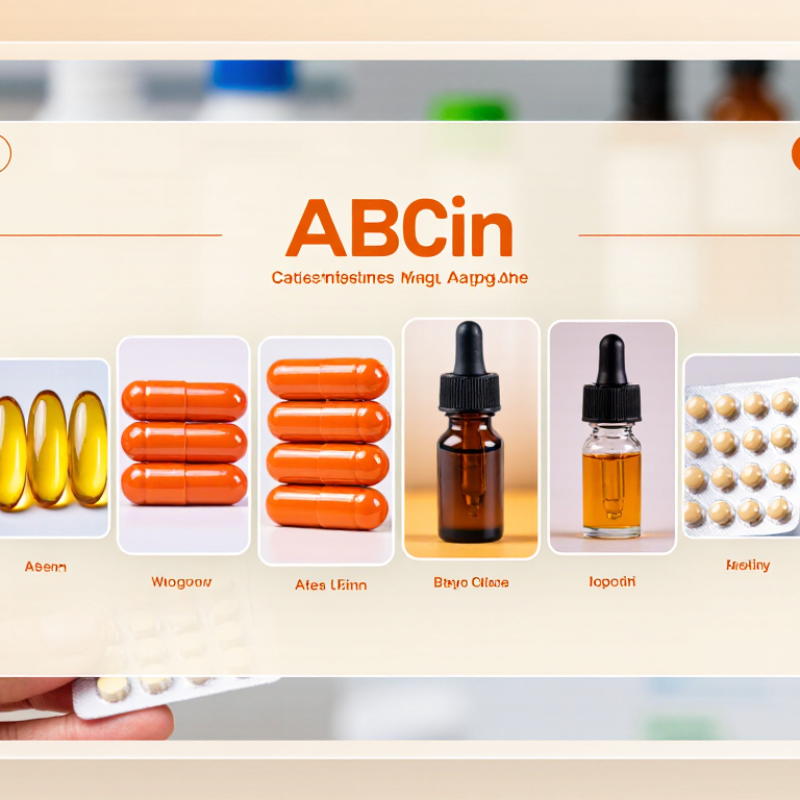
Vitamin A supplements vary by source and form. Retinyl palmitate and retinyl acetate provide preformed vitamin A, while beta-carotene comes from plant pigments and must be converted by the body. Mixed-carotenoid products combine beta-carotene with related pigments. Conversion can vary between people. These are four common ingredient types, not identical choices.
Other options include cod liver oil, which supplies vitamin A alongside fats, and liver-derived concentrates from animal tissue. Standalone softgels or capsules offer a measured serving. Liquid drops allow flexible serving sizes, but drop size matters. Chewables can be convenient, and multivitamin blends combine vitamin A with other nutrients. That makes the total intake easier to overlook. These six source or format options bring the list to ten. Forms differ.
Check the label for the amount and whether the vitamin is preformed or carotenoid-based. High intakes of preformed vitamin A can be harmful, and extra care is needed during pregnancy. People who smoke should ask a health professional before using high-dose beta-carotene supplements. Food intake, other supplements, and individual health all matter; a label alone cannot settle every question.
Safety, Dosage, and Supplement Selection
“Top 10” vitamin A supplements is not a universal ranking. Products may contain retinyl palmitate, retinyl acetate, beta-carotene, or a blend. They come as capsules, softgels, liquids, and multivitamins. Check the label for the form and amount in mcg RAE, not just the percentage of daily value. Small print matters.
For adults, recommended intake is 900 mcg RAE daily for men and 700 mcg for women. The upper limit for preformed vitamin A is 3,000 mcg RAE daily; it includes food and supplements. More is not better.
High intake can harm the liver and may cause birth defects, so anyone pregnant or planning pregnancy should ask a health professional before using retinol supplements. Beta-carotene is not automatically risk-free, either; people who smoke or used to smoke should avoid high-dose supplements unless advised by a clinician.
I find labels easy to misread, and that is worth slowing down for. Choose a dose that fits your diet and medical needs, and look for independent quality testing. Such testing can support product quality, but it does not prove that a supplement is needed.

 English
 Français
 Español
 Deutsch