BLOG

Top 10 Cosmetic Filling Machines for Global Buyers

The global beauty industry is expanding, but filling equipment decisions are becoming more demanding. Grand View Research estimates that the global cosmetics market reached approximately USD 446 billion in 2023. Its analysis also projects continued growth through 2030. This expansion creates pressure for faster, cleaner, and more flexible production lines. A suitable cosmetic filling machine must handle different viscosities, container shapes, and dosage requirements. It should also support reliable cleaning and straightforward changeovers.

Small details matter. PMMI industry research identifies automation, labor efficiency, flexibility, and sustainable packaging as major priorities for manufacturers. These priorities influence how buyers compare piston fillers, peristaltic systems, servo-driven machines, and monoblock solutions. Meanwhile, packaging market studies from Fortune Business Insights and other analysts show continued demand for premium, convenient, and visually distinctive cosmetic packaging. That demand affects filling accuracy, cap compatibility, and product presentation.

This guide reviews ten machines for international buyers. It considers filling precision, operating speed, material compatibility, maintenance access, and supplier support. It also examines practical issues, including voltage standards, spare-part availability, factory space, and operator training. Reported market figures differ because research firms use different definitions and regions. That limitation matters. A machine that performs well in a laboratory may struggle with thick creams, foaming serums, or frequent format changes. Buyers should treat this list as a starting point, not a final purchasing decision. Factory trials, sample testing, and documented performance data remain essential before signing an order.
Top 10 Cosmetic Filling Machines for Global Buyers

What Cosmetic Filling Machines Are and How They Work

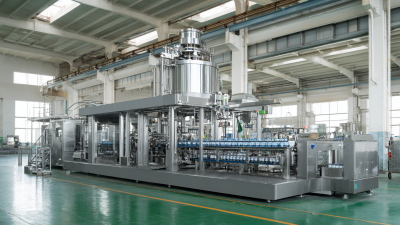
Cosmetic filling machines are production systems that measure and dispense creams, lotions, gels, oils, and serums into containers. They replace repetitive hand filling with controlled dosing. A hopper holds the bulk formula. A pump moves it through a nozzle. Sensors confirm container position before filling begins. The machine then stops flow and releases the filled package. Simple in principle. Product behavior makes the process demanding. Thick cream, foamy cleanser, and thin toner need different settings.

Most systems use piston, peristaltic, gear, or servo-driven pumps. A piston suits repeatable volumes for heavier creams. Peristaltic pumps reduce product contact with internal parts. Servo control allows operators to adjust speed, stroke, and fill timing precisely.

During a practical line check, an experienced technician examines nozzle height, drip control, and weight variation. A nozzle placed too high can create splashes. Too low, and it may touch the product. Both errors waste material and complicate cleaning.

Reliable operation depends on hygienic design, compatible contact materials, stable air pressure, and documented calibration. Operators should test several containers, not only one perfect sample. Temperature also matters. A lotion may thicken after cooling. That changes the delivered weight. Cleaning procedures must match the formula and equipment design, while local packaging and workplace rules still apply. No machine is perfect. Even automated lines need trained oversight, maintenance records, and occasional adjustment when formulas or containers change.

Key Types of Cosmetic Filling Machines for Different Products

Key Types of Cosmetic Filling Machines for Different Products

Product texture should guide machine selection, not appearance. According to Grand View Research’s 2024 filling machine market analysis, the global market was valued at about USD 8.4 billion in 2023. Cosmetic producers increasingly need accurate, flexible filling equipment for different viscosities and container formats.

Piston fillers suit creams, lotions, and gels because they handle thick formulas with controlled volume. A 100 ml jar may need stable piston movement, especially when the product traps air. Peristaltic fillers work well for serums and sensitive liquids. The product contacts only the tube, which can simplify cleaning and reduce contamination risk. Overflow fillers create consistent liquid levels in bottles, even when small volume differences occur. They are useful for shampoos, toners, and cleansing waters.

Auger fillers handle powders such as loose cosmetic blends. Servo-driven systems offer better control for premium products and frequent size changes. Time-pressure fillers can serve thin liquids, but their accuracy may shift when viscosity changes. That detail is often underestimated. Smithers’ 2024 packaging data highlights continued demand for convenient, precise, and sustainable cosmetic packaging, making repeatable filling performance increasingly important.

Operators should test the actual formula, container, and temperature together. Laboratory results can mislead. A thick cream may fill smoothly at 25°C but stall during a cooler production shift. The best machine is not always the fastest one. It should also support easy changeover, cleanable contact parts, and documented calibration.

Top 10 Cosmetic Filling Machines for Global Buyers - Key Types of Cosmetic Filling Machines for Different Products

Rank Machine Type Typical Cosmetic Products Suitable Viscosity Common Filling Principle Typical Fill Volume Typical Output Range Common Container Formats Key Advantage
1 Piston Filling Machine Creams Lotions Scrubs Medium to high viscosity Volumetric piston displacement 10–5,000 mL 20–80 containers/min, depending on volume and number of nozzles Jars, bottles, tubes, wide-mouth containers Strong performance with dense products and repeatable volumetric dosing
2 Peristaltic Pump Filler Serums Essential Oils Sensitive Formulas Low to medium viscosity Flexible-tube peristaltic pumping 0.2–1,000 mL 10–60 containers/min Dropper bottles, small bottles, ampoules, vials Product contacts only the tubing, which supports hygienic and low-contamination filling
3 Servo Pump Filling Machine Shampoos Conditioners Body Washes Low to high viscosity Servo-driven positive-displacement pumping 10–10,000 mL 20–100 containers/min Plastic bottles, glass bottles, refill containers Adjustable speed and stroke provide flexible control over volume and filling speed
4 Gravity Filling Machine Toners Micellar Water Liquid Cleansers Low viscosity, free-flowing liquids Gravity-fed timed filling 10–5,000 mL 15–60 containers/min Round bottles, rectangular bottles, simple containers Simple construction and economical operation for water-like products
5 Overflow Filling Machine Shampoos Liquid Soaps Clear Gels Low to medium viscosity Overflow-level filling 50–5,000 mL 20–80 containers/min Transparent bottles and visually matched bottle sets Creates a consistent visible fill level even when internal bottle capacity varies slightly
6 Auger Powder Filling Machine Loose Powders Face Powder Dry Masks Free-flowing or semi-free-flowing powders Rotating auger volumetric dosing 1–2,000 g 15–60 containers/min Jars, tins, sachets, bottles Designed for controlled powder dosing with adjustable auger speed and fill cycles
7 Servo Cup or Volumetric Filler Pressed Powders Compact Cosmetics Granular Exfoliants Free-flowing powders and granules Measured cup or volumetric cavity dosing 2–500 g 20–100 containers/min Compacts, jars, tubs, pouches Suitable for relatively uniform powders and high-speed repetitive production
8 Tube Filling and Sealing Machine Toothpaste Hand Cream Hair Treatments Medium to high viscosity Piston or servo dosing followed by tube sealing 5–300 mL 20–80 tubes/min Plastic tubes, laminate tubes, aluminum tubes Combines product filling with controlled tube sealing and batch-code integration options
9 Hot Filling Machine Lip Balms Petroleum Jelly Wax-Based Products Products that become pourable when heated Heated hopper and temperature-controlled dosing 5–1,000 mL 10–60 containers/min Jars, sticks, tins, small pots Maintains product flow during filling and helps reduce premature solidification
10 Vacuum Filling Machine Perfumes Alcohol-Based Fragrances Low-Viscosity Liquids Low viscosity Vacuum-assisted liquid transfer 5–1,000 mL 10–50 containers/min Perfume bottles, vials, small glass containers Useful for small-volume filling and applications requiring controlled liquid transfer
Note: Actual filling speed and accuracy depend on product viscosity, foaming behavior, temperature, container geometry, filling volume, nozzle configuration, and the level of automation.

Top 10 Cosmetic Filling Machines for Global Buyers

Top 10 Cosmetic Filling Machines for Global Buyers

For global buyers, the best machine depends on viscosity, container shape, and production volume. A practical shortlist includes piston fillers, peristaltic fillers, gear-pump fillers, overflow fillers, gravity fillers, vacuum fillers, tube fillers, jar fillers, multi-head fillers, and servo-driven filling lines. Each design solves a different production problem. Piston systems handle creams and lotions well. Peristaltic models support clean product paths and quick changeovers. Overflow machines create consistent levels in transparent bottles. Servo control improves accuracy, but it can increase training needs.

Container testing is essential before purchase. Ask for trials using the actual cream, lotion, gel, or serum. Measure fill-weight variation across several production runs. Check nozzle drip, foaming, heating requirements, and cleaning time. Small details matter. A narrow nozzle may suit a serum, while a wide nozzle may protect thick cream texture. For tubes and jars, indexing accuracy affects appearance and sealing quality. Confirm electrical standards, language options, spare-part access, and documentation for the destination market.

No ranking is universal. A compact filler may be excellent for a growing workshop but inefficient for large export orders. I would not rely on brochure speed alone. Real output changes with viscosity, operator skill, container stability, and sanitation procedures. Buyers should review material certificates, safety features, calibration records, and acceptance-test data. Some assumptions will be wrong after testing. That is not failure; it is useful evidence for refining the final specification.

How to Compare Filling Accuracy, Speed, and Production Capacity

Top 10 Cosmetic Filling Machines for Global Buyers

How to Compare Filling Accuracy, Speed, and Production Capacity

When comparing cosmetic filling machines, start with accuracy, not the advertised speed. A machine may claim ±1% precision, yet thick creams can cling to valves or trap air. Request test results using your actual lotion, serum, or gel. Check ten consecutive fills, then calculate the average weight and variation. Small errors become expensive across 20,000 containers.

Speed requires practical testing. Ask whether the stated rate includes container loading, nozzle movement, filling, and capping. A machine filling 60 units per minute may slow to 42 when operators adjust bottles manually. Watch the line for at least 30 minutes. Measure stoppages, cleaning time, and rejected containers. Real production data matters more.

Capacity should match future demand without creating waste. Compare the number of filling heads, hopper volume, changeover time, and compatible container sizes. A four-head system may suit a small factory, while eight heads can improve output for larger orders. However, more heads can increase maintenance and setup complexity. My early comparisons focused too heavily on maximum output. That was a mistake. A slower machine with stable dosing may deliver more saleable products each shift. Record temperature, viscosity, fill volume, and operator workload during every trial.

Safety, Maintenance, and International Purchasing Considerations

Top 10 Cosmetic Filling Machines for Global Buyers

Safety, Maintenance, and International Purchasing Considerations

Choosing among the top ten cosmetic filling machines requires more than comparing speed. Safety guards should cover moving parts, with a reachable emergency stop. Product-contact surfaces should use corrosion-resistant materials and clean, polished welds. Check filling accuracy with real creams, lotions, or gels, not only water. Small changes in viscosity can affect piston movement and nozzle shutoff.

Maintenance details often decide long-term value. Ask for tool-free access to seals, valves, and dosing parts. A clear cleaning procedure should show every removable component. Confirm calibration instructions, lubrication points, and recommended replacement intervals. Spare parts must remain available in your region. A machine may look impressive, yet poor technical drawings can create costly delays. No checklist is perfect.

International purchasing adds practical risks. Confirm voltage, frequency, air pressure, crate dimensions, and net weight before ordering. Request factory acceptance testing with recorded samples and agreed tolerances. Installation manuals should match the supplied control panel language. Verify local electrical, workplace safety, packaging, and import requirements with qualified advisers. Warranty terms should explain remote support, response time, and travel costs. I would also budget for training and unexpected customs charges. The cheapest quotation can become expensive after installation.

Top 10 Cosmetic Filling Machines for Global Buyers

Comparative scores reflect commonly evaluated equipment characteristics for cosmetic production: operator safety, maintenance accessibility, and suitability for international purchasing. Scores use a 0–100 buyer-assessment scale and do not represent any specific company or brand.

Higher scores indicate stronger general suitability for global buyers. Before purchase, confirm electrical standards, documentation, spare-parts availability, cleaning procedures, filling accuracy, and local compliance requirements.

Get in touch

Our goal is to provide you with excellent customer service while meeting all of your packaging automation needs. We provide the peace of mind that comes from working with one manufacturer, one service department and one point of contact.