
BLOG

7 Tips for Buying a Maize Mill Machine

Choosing a Maize Mill Machine is a practical investment, not just a search for the lowest quoted price. The right model should match your expected output, maize condition, available power, and the type of flour or meal you plan to produce. A machine designed for a small operation may struggle with a larger daily workload. One built for high capacity can cost more than your business needs. The details matter.

Before comparing models, write down your expected daily volume and the space available for installation. Ask suppliers to explain rated capacity, power use, milling stages, and routine maintenance in plain terms. Request a product demonstration or a sample of the finished meal, when possible. Check which parts wear out, how readily replacements can be obtained, and what support is included after delivery. A brochure alone is not enough. I have seen buyers focus on output figures and overlook cleaning access or local service; those choices can become costly later.

These seven buying tips will help you compare equipment on more than appearance or headline capacity. They cover performance, build quality, operating costs, supplier support, and other checks worth making before you commit. Compare written specifications carefully, and ask questions whenever an answer feels vague. No checklist removes every uncertainty. Still, a careful review can reveal mismatches early and help you choose a machine suited to your real operating conditions, not an idealized sales example.
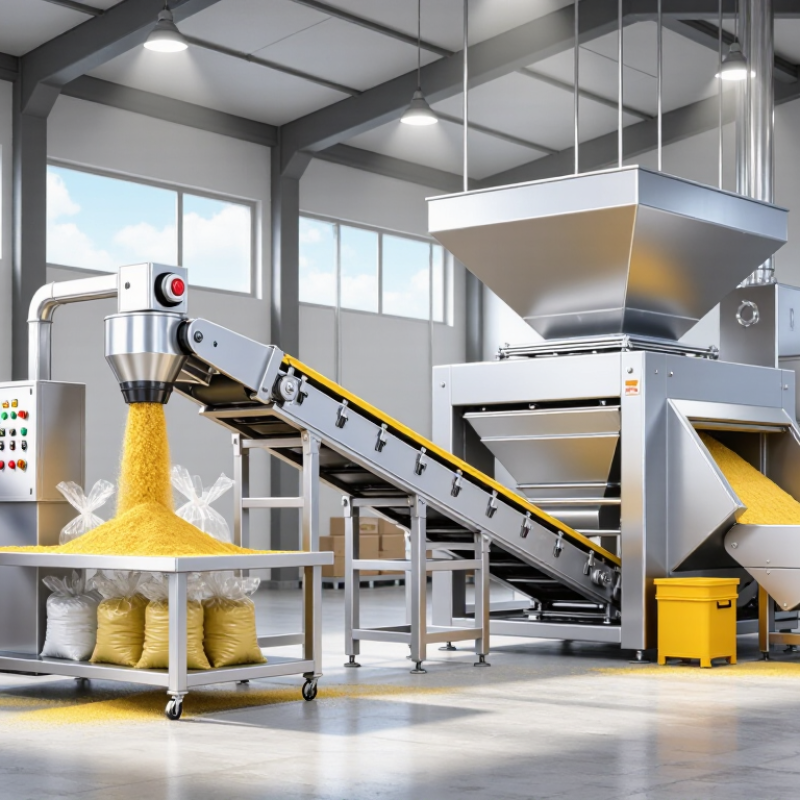
7 Tips for Buying a Maize Mill Machine

Define Your Maize Milling Needs and Production Goals

Before comparing a maize mill machine, define what it must produce each day. Will you make meal, grits, flour, or several grades? Each product may need different screens and handling. Be specific. Estimate output in finished maize, not just grain entering the mill. Then consider operating hours, harvest peaks, and whether production runs year-round. A mill running steadily for eight hours faces different demands from one used briefly during harvest.

Describe the maize you expect to process. Grain moisture, kernel size, and cleanliness can affect milling performance. Ask how capacity changes when producing finer flour, since supplier figures may reflect ideal conditions. Check the available floor space, power supply, dust control, and room for grain storage. These details can matter as much as the machine’s stated hourly output. Measure the site before choosing a layout.

Set goals for product quality and future growth, but keep them realistic. Record expected daily volume, preferred particle size, and acceptable downtime. If demand is seasonal, an oversized machine may sit idle for months. If demand grows, a small unit could create a bottleneck. Estimates are rarely perfect; review them against actual harvest volumes and customer orders. Leave some flexibility, without paying for capacity you may never use.

Compare Machine Types, Capacity, and Milling Technology

A maize mill should fit the product you plan to sell, not just the space in your workshop. Hammer mills use rotating hammers and screens to make meal or flour quickly. They suit flexible, small-to-medium production, though particle size can vary with screen choice and maize condition. Roller mills crush grain between rollers in stages. They can deliver more uniform fractions, but usually need more equipment and careful adjustment. Ask what each machine produces from maize like yours.

Capacity figures need context. A rating of 500 kilograms per hour may assume clean, dry grain and continuous feeding. In daily use, stones, damp kernels, pauses, and screen changes can reduce output. Match the stated capacity to your busiest expected shift, with some room for growth. Not too much. An oversized mill may cost more and run inefficiently when lightly loaded. Check the motor requirements, cleaning method, and how quickly operators can change screens or adjust rollers.

Milling technology also affects texture, heat, and maintenance. Request a sample run using your maize, then inspect the meal for consistency, excess fines, and husk fragments. Ask how the machine handles different kernel sizes and what routine wear parts require replacement. A neat specification sheet is useful, but it cannot show every operating difficulty. I would compare practical test results and service instructions before trusting a capacity number alone.

Evaluate Power Use, Durability, and Operating Costs

Power use affects every bag of meal a maize mill produces. Check the motor’s rated power, but also ask how much grain it can process per hour under normal conditions. A large motor may draw more electricity without improving output if feeding is uneven. Compare expected daily use with your local electricity supply and operating hours. Small details matter.

Durability depends on more than a heavy frame. Inspect the grinding plates, bearings, belts, and grain-contact surfaces. Ask how often parts need replacement and whether routine servicing requires special tools. Dust and heat can shorten component life, especially in poorly ventilated rooms. A machine that is easy to clean may save labor, though cleaning still takes time. I would not judge longevity from appearance alone.

Tips: Request a realistic power-consumption estimate at your intended workload. Calculate electricity, labor, maintenance, and replacement-part costs per operating month. Check whether spare parts are available nearby. Keep a simple log of downtime and repairs after installation; estimates can miss real-world delays. A careful comparison beats a low purchase price.

Check Supplier Quality, Certifications, and Warranty Terms

Before buying a maize mill machine, check the supplier as carefully as the equipment. Ask for the company’s registered details, workshop address, and references from buyers using a similar machine. Request photos or a live video of the mill running, not only polished catalogue images. Look for steady feeding, even grinding, and secure guards around moving parts. Small details matter. A supplier who answers technical questions clearly is easier to work with when installation problems arise. If a reply feels vague, pause and ask again; I would not treat a quick promise as proof of quality.

Check whether certificates apply to the exact machine model and its intended use. Ask for copies, issuing-body details, and a way to verify them independently. A certificate for a different product may not tell you much. Review the warranty in writing, including its length, covered parts, labor, shipping costs, and response time. Ask what happens if a motor fails during the warranty period. Get it in writing. Also clarify which maintenance tasks could affect coverage, and whether spare parts are readily available. Warranty language can look reassuring but still leave costly gaps. Read every condition before paying a deposit.

7 Tips for Buying a Maize Mill Machine: Supplier Quality, Certifications, and Warranty Terms
Tip What to Check Useful Evidence or Questions Warning Signs
1. Confirm the machine matches your needs Define the maize condition, desired flour or meal texture, expected operating hours, and required output before comparing models. Request a written specification stating capacity, motor power, screen or sieve options, included components, and the conditions used for any capacity estimate. Capacity claims are given without explaining the maize moisture, feed size, screen setup, or finished-product requirements.
2. Assess the supplier’s manufacturing quality Review how the supplier controls fabrication, assembly, inspection, and testing. Check that materials and machine components are clearly specified. Ask for current workshop or production-line photos, inspection records, a parts list, and a live video demonstration of the proposed machine or a comparable unit. Only generic images are provided, specifications change between documents, or the supplier will not describe its inspection process.
3. Verify certifications and their scope Check whether claimed management-system or product certifications are relevant to the machine, its manufacturing site, and your destination market. Request the certificate number, issuing body, validity dates, and scope. Verify the details with the issuer. Where required, confirm applicable electrical and machinery compliance for the importing country. A certificate is expired, cannot be independently verified, or is presented as proof of product compliance when its scope does not cover the machine.
4. Evaluate safety and electrical details Review guards, emergency-stop arrangements, dust-control provisions, electrical ratings, and access for cleaning and maintenance. Ask for electrical diagrams, operating and safety instructions, motor voltage and frequency, and details of protective devices supplied with the machine. Moving parts are exposed, safety documentation is unavailable, or the electrical configuration does not match the site supply.
5. Check serviceability and spare-parts support Identify wear parts, routine maintenance tasks, recommended service intervals, and the availability of replacement components. Request a spare-parts list with part references, prices, estimated dispatch times, and instructions for routine cleaning and maintenance. Wear parts are not identified, replacement components have no clear part references, or support response times are unspecified.
6. Read the warranty terms carefully Confirm the warranty period, start date, covered parts, exclusions, claim process, and responsibility for shipping or labor costs. Obtain the complete warranty in writing and ask how defects are documented, who pays transport costs, and whether installation or operating conditions affect coverage. The warranty is described only verbally, exclusions are unclear, or coverage depends on conditions that are not supplied in writing.
7. Compare the full delivered cost and acceptance terms Include the machine price, packaging, freight, insurance, import charges, installation, training, and any optional equipment. Request an itemized quotation, delivery schedule, payment milestones, packing details, and written criteria for inspection or acceptance after delivery. The quotation omits major cost items, delivery terms are vague, or payment and acceptance conditions are not documented.

Plan Installation, Training, Maintenance, and Spare Parts

7 Tips for Buying a Maize Mill Machine

Before buying, map the machine’s route from the delivery truck to the production floor. Measure doorways, tight turns, ceiling clearance, and space for cleaning and changing bags. Confirm electrical supply, ventilation, dust control, and foundation needs against the supplier’s written specifications.
A machine that fits on paper may still block a walkway. It happens.
Schedule installation when the site is ready, and agree on who handles unloading, lifting, alignment, and initial testing. Keep the floor clear and provide safe access to power and controls.
Training should cover normal operation, shutdown, cleaning, and common warning signs, not just the start button. Ask operators to practice adjusting settings with maize and to identify unusual vibration, heat, or noise. Maintenance needs a written schedule that matches operating hours and the machine manual.
Keep records.
Note inspections, cleaning, replaced parts, and recurring faults in a logbook. Before delivery, ask for a spare-parts list with part numbers, recommended quantities, and realistic lead times. Belts, screens, bearings, and seals may be worth keeping on site, depending on the model and local supply.
Small details matter.
Review the plan with the people who will run the mill; they may notice a practical problem that the purchase paperwork misses.

Get in touch

Our goal is to provide you with excellent customer service while meeting all of your packaging automation needs. We provide the peace of mind that comes from working with one manufacturer, one service department and one point of contact.