
Why is Tempura Batter Essential for Perfectly Crispy Dishes?
Mastering the art of crispy dishes often leads us to one essential ingredient: Tempura Batter. This delicate blend of flour and water creates a light, airy coating that locks in moisture while allowing for a satisfying crunch. When properly prepared, Tempura Batter transforms vegetables and seafood into wonderful culinary delights.
The beauty of Tempura Batter lies in its versatility. Each dip into the batter can result in different textures and flavors, depending on the ingredients used. However, achieving the perfect consistency can be tricky. Too much water thins the batter, while too little creates a dense texture. It's a delicate balance that requires practice.
As cooks experiment with Tempura Batter, they often face challenges. Not every attempt will yield that coveted crispiness. Understanding the temperature of the oil and the timing of the frying process is essential. This process isn't just a science; it’s an art. With each frying session, there is an opportunity for reflection and improvement. Embracing these imperfections can ultimately lead to better dishes and a deeper appreciation for this remarkable batter.
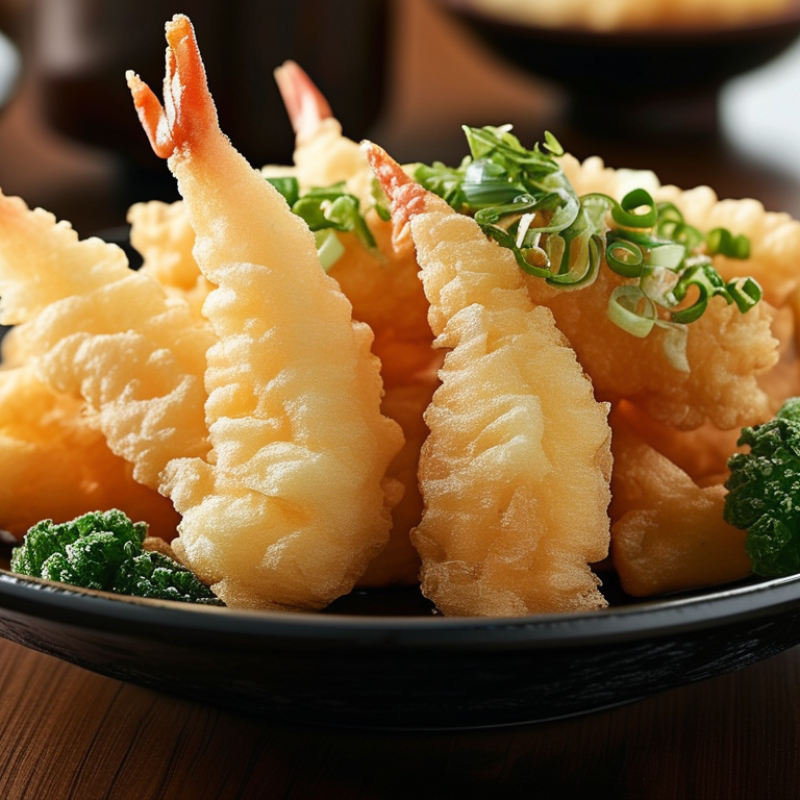
Understanding Tempura Batter: Key Ingredients and Their Roles
Tempura batter is a crucial element in creating perfectly crispy dishes. The main ingredients include flour, cold water, and eggs. Each plays a unique role in the texture and flavor of the batter. The flour creates the structure, while cold water keeps the batter light and airy. Eggs add richness and help bind the ingredients.
Tips for making the perfect tempura batter:
- Always use ice-cold water. This helps maintain the batter's crispiness during frying.
- Mix the ingredients gently to avoid overworking the flour. A lumpy consistency is ideal; it creates texture.
Some people might add baking powder for extra lift. However, this can sometimes lead to undesirable results. Too much leavening can cause the batter to become puffy. To avoid this, stick to the traditional recipe. Remember to taste different variations and adjust according to your preference. Experimenting helps you discover what works best for you.
The Science Behind Crispy Texture: How Tempura Batter Works
Tempura batter plays a pivotal role in achieving that coveted crispy texture in fried dishes. When combined with cold water and flour, a chemical reaction occurs. The cold temperature helps to prevent gluten formation. Gluten can make the batter dense and heavy. A study from the International Journal of Food Science shows that thinner batters yield a lighter, crisper texture. This creates a perfect balance of crunch and flavor.
The science behind tempura batter lies in its moisture control. The batter creates a barrier that limits oil absorption. This ensures that the final product is not greasy. Research indicates that food fried in tempura-style batter absorbs 24% less oil than traditional methods, making it a healthier option. However, achieving the ideal batter is not always straightforward. Over-mixing can lead to tough textures, defeating the purpose of lightness.
Temperature is another critical factor. Oil must be heated to around 170°C (340°F) for optimal frying. If the oil is too cool, the batter will absorb excess oil, leading to sogginess. Conversely, oil that is too hot can burn the exterior before the inside is properly cooked. This delicate balance makes mastering tempura batter both an art and a science, requiring practice and a keen eye for detail.
Why is Tempura Batter Essential for Perfectly Crispy Dishes? - The Science Behind Crispy Texture: How Tempura Batter Works
| Ingredient | Purpose | Impact on Crispiness |
|---|---|---|
| All-Purpose Flour | Provides structure and lightness. | Creates a firm yet tender coating. |
| Cornstarch | Enhances crispiness. | Absorbs moisture and creates a lighter, airier texture. |
| Cold Water | Activates the batter without gluten development. | Keeps the batter light and leads to a flaky finish. |
| Ice Cubes | Further reduces the temperature of the batter. | Creates a more pronounced crunch. |
| Baking Powder | Lifts the batter during cooking. | Generates bubbles for a puffier texture. |
Techniques for Making the Perfect Tempura Batter
Tempura batter is a crucial element in achieving that light, crispy texture we all love. To create the perfect batter, start with cold water and the right type of flour. Many chefs prefer using a mix of all-purpose and cake flour. This combination provides a delicate crunch. The temperature of the water matters greatly. Using ice-cold water helps maintain the batter’s crispiness during frying.
Mixing technique plays a vital role too. Gently combine the wet and dry ingredients; it’s okay if some lumps remain. Over-mixing can lead to a dense batter. When it comes to frying, be patient. Frying in small batches allows for even cooking and prevents the oil temperature from dropping too much. Aim for a frying temperature of around 350°F to 375°F. This high heat instantly vaporizes moisture, resulting in a delightful crunch.
While it's tempting to perfect every aspect, it’s essential to embrace imperfections. Each batch may vary, and that's part of the process. Experimenting with different vegetables or proteins can lead to exciting flavors. Remember, practice makes progress. You'll learn what works best for your taste over time.
Common Mistakes in Tempura Batter Preparation and How to Avoid Them
The preparation of tempura batter is a delicate art that can make or break your dish. One common mistake is using water that is too cold or too hot. The ideal temperature for the water is ice cold, as it helps to create a light and crispy texture. The batter should be mixed just enough to combine the ingredients, leaving it lumpy. Overmixing introduces gluten, which results in a dense coating instead of the desired airy crunch.
Another frequent error is the choice of flour. Many home cooks opt for all-purpose flour, which can weigh down the batter. Instead, a lighter flour, such as cake flour or even a blend of cornstarch and flour, promotes a lighter texture. It may take several attempts to master the right flour and techniques. Testing different flours can lead to surprising results.
Finally, frying temperature is crucial. Oil that is not hot enough will lead to greasy tempura, as the food absorbs too much oil. Ideally, the oil should be around 340°F to 360°F (170°C to 180°C). It’s helpful to use a candy thermometer. Monitoring the oil temperature might seem tedious but it pays off with perfectly crisp results. Tempura is forgiving but it's all about precision. The beauty lies in the method and the practice.
The Versatility of Tempura: Beyond Seafood and Vegetables
Tempura is often associated with seafood and vegetables, but its versatility extends far beyond that. The light, airy batter envelops a variety of ingredients, turning everyday foods into crispy delights. Consider using tempura to coat meats like chicken or pork. The batter provides a satisfying crunch that contrasts beautifully with the tender meat inside.
Fruits can also be tempura-fried for a unique dessert option. Slices of banana or apple, when dipped in tempura batter and fried, create a sweet treat with a delightful texture. However, mastering tempura isn’t effortless. Achieving the right consistency in the batter is crucial. Too thick, and it weighs down the food; too thin, and it won’t adhere well.
Experimenting with tempura opens up creative possibilities. Try varying the spices in the batter or adding herbs. However, not every attempt will yield the desired result. At times, the batter may absorb too much oil, leaving a greasy texture. It’s essential to reflect on these failures to improve your technique. With practice, you'll discover new uses for this beloved batter.