What is a stick pack filling machine and how does it work?
A stick pack filling machine is vital in today’s packaging industry. These machines efficiently create narrow, flexible packages for a variety of products. According to industry expert John Smith, “The stick pack filling machine revolutionizes the way we package single-serving items.”
Imagine a steady stream of powdered drinks, snacks, or spices being precisely measured and filled. This machine offers versatility. Operators can change settings for different products with ease. However, challenges remain. Maintaining consistent quality while switching products is not always simple.
The stick pack filling machine integrates technology and design for efficiency. Yet, it requires careful calibration. Mistakes can result in waste or machine downtime. This balance between precision and speed highlights the complexity of modern packaging solutions. As we explore the workings of this machine, we uncover both its strengths and areas for improvement.
What is a Stick Pack Filling Machine? Definition and Overview
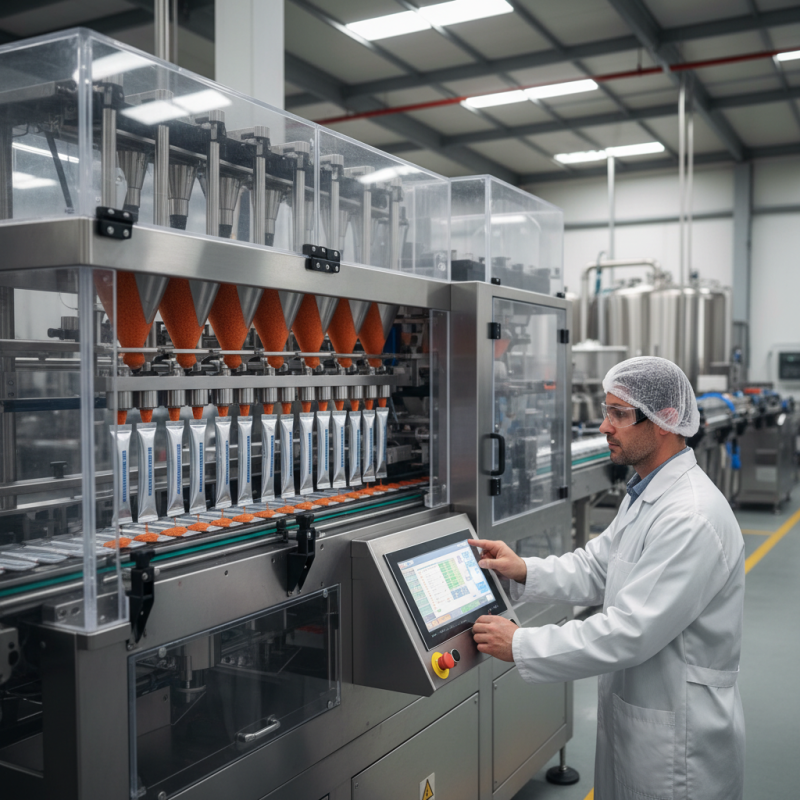
A stick pack filling machine is an innovative packaging solution. It is designed to fill products into thin, flexible pouches. These pouches resemble elongated sticks, perfect for single servings. Typically, powder or granulated products are packed this way. Common applications include coffee, sugar, and supplements.
This machine works by automatically feeding, filling, and sealing the pouches. First, the desired material is fed into the machine. The material then moves through a series of funnels and tubes. Precision is key here. Afterward, the machine fills the pouches, ensuring each one has the correct amount. Finally, the pouches are sealed to maintain freshness.
However, challenges exist in the process. Adjustments may be needed for different materials. Not all machines can handle every product. Sometimes, misalignment happens, leading to wasted materials. Even with advanced technology, human oversight is essential. Regular maintenance is crucial to avoid downtime. Understanding these nuances can help improve efficiency.
What is a Stick Pack Filling Machine?
| Feature | Description | Typical Applications |
|---|---|---|
| Machine Type | Continuous motion stick pack filling machine | Food, Pharmaceuticals, and Cosmetics |
| Filling Mechanism | Volumetric or weight-based filling | Powders, liquids, and granules |
| Speed | Up to 120 stick packs per minute | High-speed production lines |
| Packaging Materials | Flexible films, laminated materials | Single-serve packets |
| Control System | PLC-based control with touch screen | User-friendly operation |

Key Components of a Stick Pack Filling Machine: An In-Depth Look
A stick pack filling machine is designed for precise packaging. It creates long, narrow packets from flexible film. This format is popular for single servings of powders, liquids, and granules. The main components include the supply hopper, filling system, and sealing device.
The supply hopper stores the product. It delivers a consistent flow to the filling system. The filling system can use volumetric or weight-based methods. Each method has its pros and cons. Volumetric filling may lead to variations. Weight-based filling ensures accuracy but can slow down the operation.
Sealing is crucial. It ensures packets are airtight and tamper-resistant. Various sealing technologies are available. However, not all seals perform equally under different conditions. This aspect requires careful consideration.
Tips: Always monitor the filling system. Inconsistent flow can disrupt production. Regular maintenance is key to avoiding unexpected downtime. Understand the limitations of each component. Reflection on your setup is vital for continuous improvement.
How Stick Pack Filling Machines Function: Step-by-Step Process
Stick pack filling machines are innovative devices designed to package products into slim, sealed pouches. These machines are widely used in the food, pharmaceutical, and cosmetic industries. They provide efficient, high-speed filling options, especially for powders, granules, and liquids. According to a recent market report, the demand for stick pack machines is increasing annually, reflecting a compounded growth of around 6.5% from 2021 to 2026.
The operation of a stick pack filling machine involves several crucial steps. First, empty films are fed into the machine. Sensors ensure proper alignment before the film reaches the filling station. At this point, the desired product is measured and filled into the pouch. Generally, the filling accuracy is essential, often exceeding 99%. Then, the machine seals the pouches, typically using heat or ultrasonic methods. This sealing ensures product freshness and prevents contamination. However, some operators might overlook maintenance, leading to possible downtimes or decrease in filling precision.
Despite the efficiency of stick pack systems, errors can occur. Sometimes, products may not flow smoothly, or seals can fail. Identifying these issues often requires careful monitoring. Regularly checking the filling volume and the quality of seals is imperative. These steps promote better performance and overall output consistency. Feedback from operators is crucial when evaluating the machine's effectiveness. Addressing flaws can lead to substantial improvements in production processes.
Industry Applications: Versatility of Stick Pack Filling Machines
Stick pack filling machines are incredibly versatile. They are used across various industries, from food to pharmaceuticals. In the food sector, these machines package products like sugar, seasoning, and protein powders. Each stick is easy to use, making them popular among consumers.
In the pharmaceutical industry, stick packs hold drugs and supplements. They offer precise dosages and enhance convenience for users. By using stick packs, companies can improve shelf life and meet regulatory requirements with ease. Yet, the efficiency of these machines can sometimes be a double-edged sword. Maintenance can become challenging, leading to potential downtime.
Stick pack filling machines also find applications in cosmetics and personal care. They package items like facial powders and lotions. The compact design appeals to on-the-go customers. However, the initial setup can require significant investment and time. Achieving the perfect fill weight still poses challenges for manufacturers.
Stick Pack Filling Machine Applications
This chart illustrates the various industrial applications of stick pack filling machines, showcasing their versatility across different sectors.
Market Trends and Growth: Statistics in the Stick Pack Packaging Sector
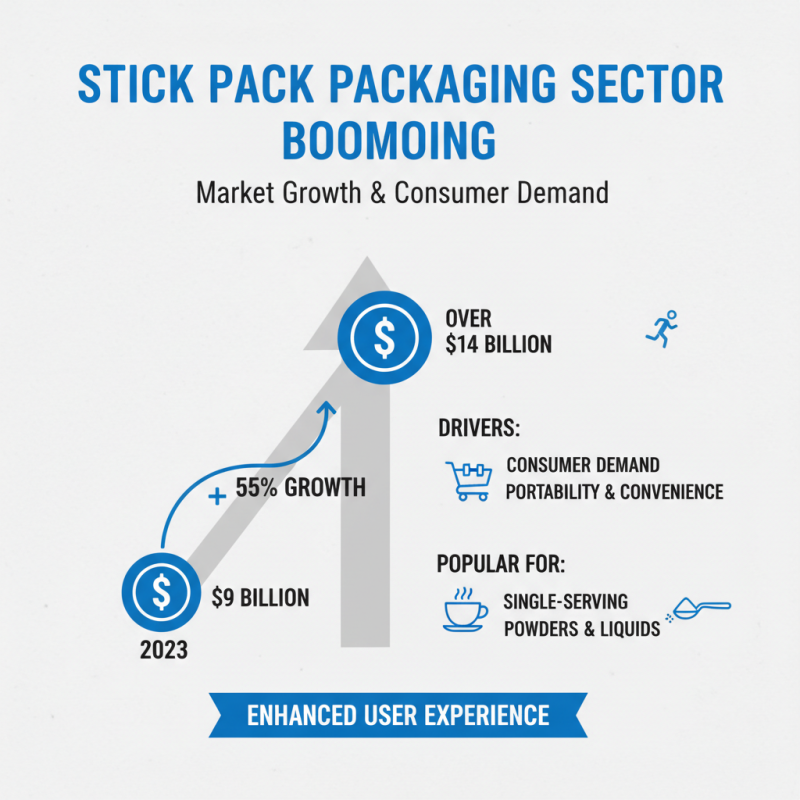
The stick pack packaging sector is experiencing significant growth. Recent reports indicate the market is expected to reach over $14 billion by 2026. This growth is driven by increased consumer demand for convenient and portable products. Stick packs are popular for single-serving items, enhancing user experience.
The food and beverage industry leads the market. People seek on-the-go solutions. Health supplements and nutraceuticals also see a rise in stick pack usage. For instance, around 25% of new product launches in these sectors utilize stick packaging. This trend reflects changing lifestyles and purchasing habits.
Yet, the market faces challenges. Environmental concerns grow as consumers push for sustainable packaging. Some manufacturers still rely on non-recyclable materials. Industry leaders must reflect on their practices. Innovation in eco-friendly materials could reshape the market, catering to both consumer and environmental needs. Balancing convenience and sustainability is crucial for future growth.
Related Posts
-
2025 How to Choose the Best Stick Pack Filling Machine for Your Business
-
Innovations in 2025: Emerging Technologies and Winning Tactics in Food Packaging Equipment
-
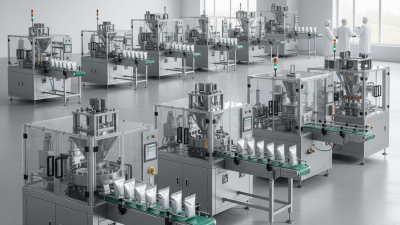
Top 10 Sachet Filling Machines: Best Options for Efficient Packing Solutions
-
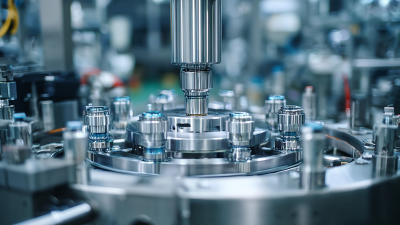
Exploring Innovative Alternatives to the Best Automatic Filling Machine
-
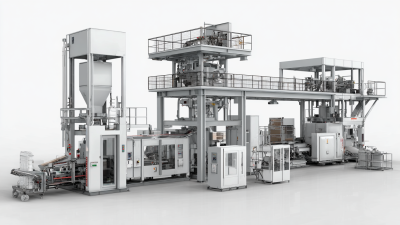
Maximizing Efficiency in Powder Packing Machine Operations Through Advanced Automation Techniques
-
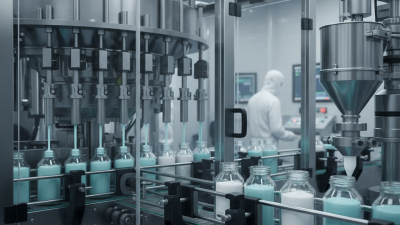
What is a Filling Machine and How Does It Work?