What is Print Inspection and Why is it Important?
Print Inspection is a critical quality assurance process in the printing industry. It ensures that printed materials meet specific standards. According to a report by Smithers Pira, 20% of all printed products face issues due to quality defects. These defects often go unnoticed, affecting brand reputation and customer trust.
Employing advanced Print Inspection technologies can significantly reduce these errors. For instance, inline inspection systems can detect inconsistencies in real-time. This allows for quick corrections before products reach the market. However, not all businesses implement such technologies effectively. Many rely on manual inspection processes that are prone to human error. A study by Technical Innovation in Print reveals that up to 30% of defects could be avoided with automation.
The need for better Print Inspection is clear. Companies are losing potential revenue due to oversight in quality checks. Investing in quality inspection systems should not be an afterthought. Instead, it must be a priority for businesses aiming for long-term success. Quality is not just a goal; it is a necessity in today’s competitive market.
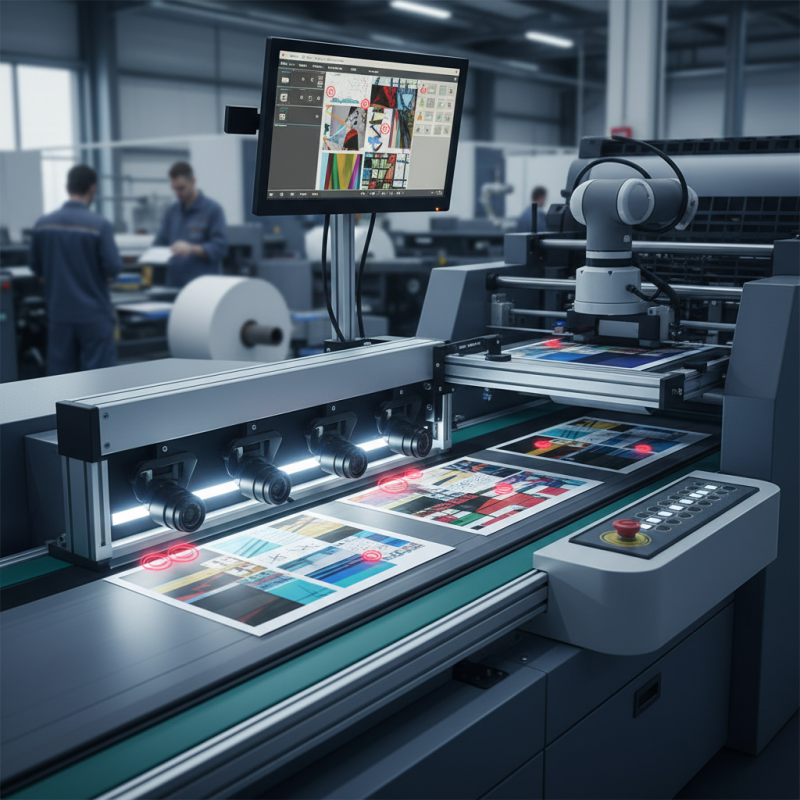
What is Print Inspection and Its Role in Quality Control
Print inspection plays a crucial role in quality control. It ensures that printed materials meet specific standards. This process includes checking for color accuracy, alignment, and clarity. Each print run requires careful attention. Even small errors can lead to significant issues. For instance, a slight misalignment can affect brand perception.
Incorporating print inspection into production processes can reduce costs. It helps identify defects early on. However, challenges exist. Not all defects are easily visible. Some may only appear after several copies are printed. This limitation can lead to unanticipated waste and dissatisfaction.
Effective print inspection also involves operator training and technology use. Employees must recognize common defects. They should know how to operate inspection equipment. Without proper understanding, mistakes are likely. This can undermine quality control efforts. Ultimately, print inspection is more than a checklist. It is a vital part of maintaining brand integrity.
The Importance of Print Inspection in the Printing Industry
Print inspection is a crucial process in the printing industry. It ensures that products meet quality standards before reaching consumers. Many issues can arise during printing, such as color mismatches, misalignment, or smudging. These problems may seem minor but can significantly impact a company's reputation and customer satisfaction.
One effective tip is to conduct regular training sessions for your inspection team. They should be familiar with common defects. The more knowledgeable they are, the fewer mistakes will slip through. Using a checklist may also help streamline the inspection process. It forces inspectors to focus on every detail.
Investing in technology can enhance print inspection. Automated systems can quickly identify flaws that humans might miss. However, relying solely on technology isn't wise. Human oversight remains essential. Machines can misinterpret data or malfunction. A blend of both can ensure higher accuracy. It's vital to review the process regularly and adjust as needed to maintain quality.
Print Inspection Error Rates Over Time
Print inspection is crucial in ensuring the quality of printed materials. This chart illustrates the error rates observed in print inspections across four quarters in 2023, highlighting the importance of continuous monitoring and improvement in print quality.
Key Technologies Used in Print Inspection Systems
Print inspection plays a crucial role in the manufacturing sector. It ensures high-quality printing, especially in packaging and labeling. Key technologies in print inspection systems greatly enhance accuracy and efficiency.
One important technology is machine vision. It uses cameras to capture images of printed materials. A report noted that the global machine vision market is expected to reach $12 billion by 2025. This reflects the growing demand for precise quality control. Another technology is artificial intelligence (AI). AI analyzes images quickly. It can detect defects that human eyes might miss. This technology not only speeds up the inspection process but also reduces human error.
Despite advancements, challenges remain. Some systems struggle with variations in printing techniques. They may fail to detect subtle flaws. According to industry experts, around 30% of printing defects go unnoticed. This emphasizes the need for continuous improvement in print inspection technologies. Better calibration and training can help enhance detection rates. Investing in these technologies will likely yield significant returns in the long run.
What is Print Inspection and Why is it Important? - Key Technologies Used in Print Inspection Systems
| Technology | Description | Importance | Applications |
|---|---|---|---|
| Camera Inspection | Utilizes high-resolution cameras to capture images of printed materials for analysis. | Ensures quality control by detecting defects such as misprints and color inconsistencies. | Used in packaging, label printing, and security printing. |
| Laser Inspection | Employs laser technology to scan and check print quality and surface imperfections. | Enhances reliability by identifying problems that may not be visible to the eye. | Commonly used in high-speed production lines. |
| Machine Learning | Integrates algorithms that learn from data to improve defect detection over time. | Increases accuracy of inspections by adapting to new types of defects. | Useful in diverse printing applications requiring adaptive quality control. |
| UV and IR Inspection | Uses ultraviolet and infrared light to detect invisible flaws in printed materials. | Allows for the identification of features such as non-visible security markings. | Widely used in the security and anti-counterfeiting sectors. |
| Inline Inspection Systems | Monitors print quality in real-time during the production process. | Minimizes waste and ensures consistent quality throughout the production run. | Critical in continuous printing processes like newspapers and magazines. |
Impact of Print Inspection on Waste Reduction and Cost Savings
Print inspection plays a vital role in ensuring quality control in the printing industry. A thorough inspection process can lead to significant waste reduction. By catching errors early, companies avoid printing large batches of defective products. This proactive approach saves both materials and time. Wasted resources from poor quality can drain budgets and sustainability efforts.
Cost savings from effective print inspection can be substantial. For instance, when defects are detected during the initial stages, companies can fix issues quickly. This prevents the high costs associated with reprints and refunds. Investing in technology and processes for print inspection pays off in the long run. However, many businesses still rely on outdated methods. This could lead to missed errors and increased waste.
Additionally, effective print inspection can improve customer satisfaction. Ensuring that every product meets the required standards builds trust. Nonetheless, maintaining a consistent standard can be challenging. Sometimes, human error slips through the cracks. Companies must continuously evaluate their inspection processes. They must be adaptable to new technologies and approaches. Each improvement can lead to a more efficient operation.
Industry Standards and Regulations Governing Print Inspection Practices
Print inspection is an essential component in the production process across various industries. Industry standards and regulations play a critical role in ensuring print quality. Organizations such as ISO (International Organization for Standardization) provide guidelines that help maintain consistency and safety. For instance, ISO 12647 outlines color management processes, emphasizing the importance of accurate color reproduction. According to a report by Smithers Pira, around 30% of print defects could be avoided with proper inspection methods.
Tips: Regularly calibrate your printing equipment. This helps in minimizing errors during the production phase.
Compliance with regulations is crucial. The FDA and EPA lay down specific rules for printed materials in food packaging and chemicals. Non-compliance can lead to severe penalties and product recalls. Companies often struggle to meet these standards. Inadequate training can lead to oversights that cost time and money.
Tips: Invest in employee training sessions. Well-informed staff can significantly reduce the likelihood of mistakes.
The consequences of ignoring print inspection guidelines are significant. Poor-quality prints can damage a brand's reputation. A recent study estimates that subpar printing results in losses of up to 4% in revenue for businesses. Companies must be proactive in adopting best practices. Failing to do so may lead to increased waste and customer dissatisfaction.