Laser Cutting Machine Tips for Beginners and Best Practices?
A laser cutting machine is a powerful tool in modern fabrication. For beginners, mastering this technology can be challenging yet rewarding. Understanding the basics is essential. Many new users jump in without proper knowledge. This can lead to mistakes and wasted materials.
Learning to operate a laser cutting machine involves patience and practice. Familiarize yourself with the settings and software. It's easy to overlook small details, yet they can affect the outcome. Starting with simple projects can build confidence. You might encounter issues, but each mistake offers valuable lessons.
Best practices can improve your skills and efficiency. Pay attention to material types and thickness. They influence your cutting speed and power settings. Keep a log of your settings for future reference. This process can help refine your technique over time. Embrace the learning curve and enjoy the creative possibilities.
Understanding the Basics of Laser Cutting Technology
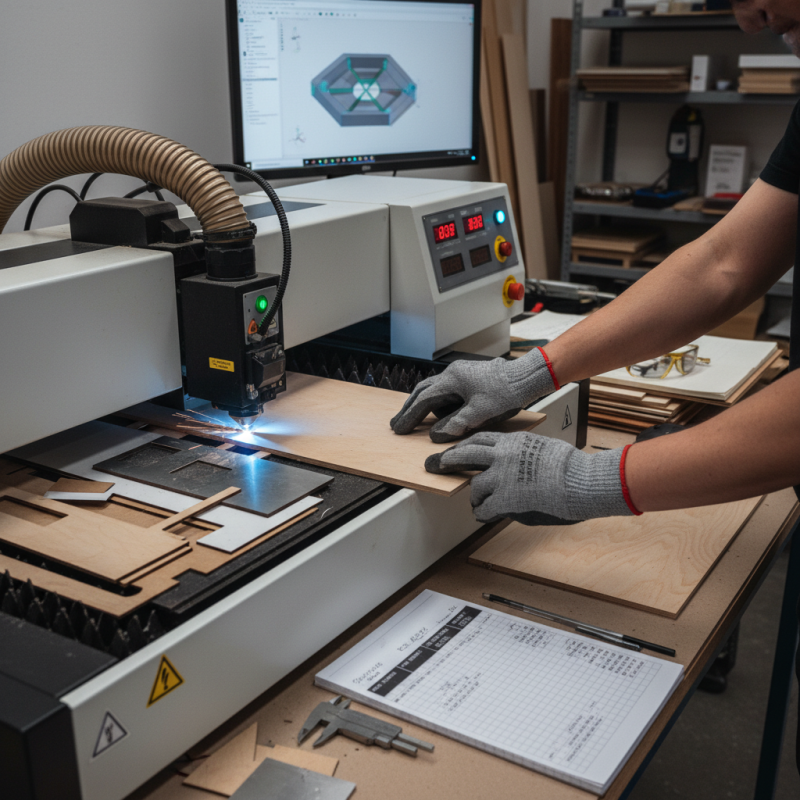
Laser cutting technology has transformed various industries. It's precise and efficient, making it popular for many applications. At its core, laser cutting utilizes a focused beam of light to carve materials. This process includes various elements like power settings, speed, and type of material. Understanding these basics is crucial for beginners. Many get overwhelmed by the technical jargon.
The ability to cut through different materials varies. For instance, wood requires different settings than metal. Those settings may also depend on thickness. Experimentation is vital here. Mistakes might happen during your first attempts. Perhaps the cut was too slow, resulting in burning or charring. Adjusting speed and power offers a learning curve.
While it may seem daunting, mastering laser cutting takes practice. Start with simple projects. This allows you to grasp settings better. Document your findings to avoid repeating mistakes. Each attempt provides valuable insight, helping you improve gradually. Engage with community forums for tips and tricks. Sharing experiences can lead to new solutions and techniques.
Laser Cutting Machine Usage by Material Type
Key Components of a Laser Cutting Machine
A laser cutting machine consists of several key components, each playing a vital role in its operation. The laser source is crucial, as it generates the beam that cuts through materials. Common options include CO2 and fiber lasers, each suited for different applications. A good understanding of these types will help beginners choose the right machine for their projects.
The bed or cutting surface supports the material during operation. It can be fixed or adjustable, depending on the design. A flat and sturdy bed ensures precise cuts and enhances safety. The optical system, which directs the laser beam, also affects performance. It needs regular maintenance to function effectively. Often, users overlook this, leading to poor cut quality.
Air assist is another important component that improves the cutting process. It helps blow away smoke and debris, preventing damage to the lens. Beginners might not realize its impact. Use of air assist can improve the quality of cuts significantly. Choosing the right components makes a difference. However, inadequate knowledge can lead to mistakes. It's essential to experiment and learn from these experiences.
Laser Cutting Machine Tips for Beginners and Best Practices
| Component | Description | Best Practices |
|---|---|---|
| Laser Source | Generates the laser beam for cutting. | Ensure proper cooling and regular maintenance. |
| Optics | Focuses the laser beam to a fine point. | Keep lenses clean and inspect for damage. |
| Cutting Bed | Surface where cutting occurs. | Use a suitable material to support the workpiece. |
| Drive System | Moves the cutting head along the cutting path. | Regularly check for alignment and lubrication. |
| Control Software | Operates the laser cutter and defines cutting paths. | Familiarize with software features and settings. |
Safety Guidelines for Beginners in Laser Cutting
Laser cutting can be an exciting venture for beginners, but safety should always be the top priority. According to the Industrial Safety and Hygiene News report, nearly 21% of laser-related injuries occur because of improper safety precautions. Ensuring that you understand and follow safety guidelines is essential to avoid accidents. Wearing appropriate protective gear, such as safety goggles and gloves, is crucial. This minimizes the risk of injury while operating the machine.
When setting up your workspace, keep it organized. A cluttered area can lead to mistakes and accidents. Create a designated space for materials and tools. This helps maintain focus and reduces distractions during the cutting process. Remember to have a fire extinguisher nearby. Laser cutting can generate sparks, and being prepared can make a significant difference.
For beginners, learning about the machine is vital. Start with low power settings to familiarize yourself with the cutting process. Gradually adjust power and speed settings as you gain confidence. Take the time to read user manuals thoroughly and watch tutorials if possible. Many resources are available online. Engaging with the laser cutting community can also provide valuable insights and tips for best practices. Your initial learning curve may be daunting, but patience and practice will lead to improvement.
Essential Settings for Optimal Laser Cutting Performance
When starting with laser cutting, understanding essential settings is crucial for optimal performance. According to industry reports, laser power and speed greatly affect the cutting quality. For instance, a higher power setting provides faster cuts but can lead to excessive material burn. Conversely, lower power settings may yield cleaner edges but require more time. It’s fundamental to find a balance, which often comes from trial and error.
Tip: Begin with recommended settings for your material type. A common starting point is setting the power to around 70% and the speed to 20 mm/s for cutting acrylic. Adjustments can be made from there based on the results. Experimentation helps in learning, but don’t hesitate to revisit your initial settings if the results are inconsistent.
Material thickness also plays a role in laser settings. Thicker materials often require slower speeds and higher power. This can lead to overheating if not monitored correctly. Keep a close watch on the cutting process, and ensure to implement regular maintenance on your machine for continued precision.
Another point for reflection is the impact of lens cleanliness on cutting quality. A dirty lens can cause uneven cuts and slow processing times. Make it a habit to inspect and clean your lens frequently. The small act can lead to significant improvements in your overall cutting experience.
Maintenance and Troubleshooting Tips for Laser Cutting Machines
Maintaining a laser cutting machine is essential for smooth operation. Regularly checking the lens and mirrors is crucial. Dust and residue can affect cutting quality. A simple clean can often restore precision. Use a soft cloth and specific cleaning solutions for this task.
Another important aspect is to monitor the cooling system. Overheating can damage components and lead to system failure. Ensure that the coolant levels are adequate. Flushing the system occasionally prevents clogs. Don’t ignore unusual noises. They might signal mechanical issues.
For troubleshooting, check the alignment of the laser head. Misalignment can cause uneven cuts. Adjusting the height can also improve results. If the machine stops unexpectedly, reset it properly. Follow the operator's manual to avoid confusion. Remember, regular maintenance saves time and money in the long run.