
BLOG

2026 How to Choose the Best Industrial Step Treads?

When selecting the best Industrial Step Treads, it is essential to consider safety, durability, and practicality. Many industries use these treads to prevent accidents. A slippery or poorly designed step can lead to serious injuries. Thus, choosing the right tread is not just about aesthetics. It requires a careful analysis of your specific environment.

Different materials offer varied benefits. For example, rubber treads provide superior grip, while metal ones offer longevity. The choice often depends on the expected foot traffic and the type of surface they will be installed on. Additionally, some designs may not be suitable for all workplaces, creating a need for informed decision-making.

In this evolving industrial landscape, it's crucial to stay updated on trends. New materials and technologies are emerging. However, not all innovations provide real benefits. A tread's performance should always be the primary focus. Balancing innovation with practical needs can be challenging, but the right Industrial Step Treads can enhance workplace safety and efficiency significantly.
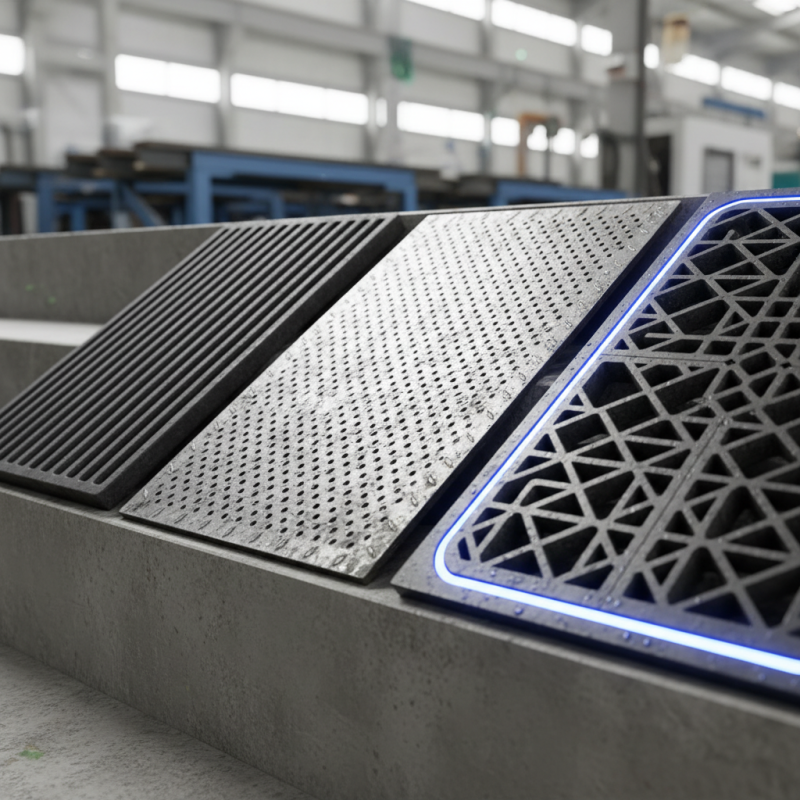
2026 How to Choose the Best Industrial Step Treads?

Identifying the Purpose and Environment for Industrial Step Treads

When selecting industrial step treads, understanding their purpose and the environment is crucial. For instance, in facilities with heavy machinery, slip resistance becomes a top priority. According to the National Floor Safety Institute, slips and falls account for over 25,000 workplace injuries annually. Therefore, choosing step treads made from materials providing adequate grip is essential.

In outdoor environments, consider durability against weather conditions. For example, rubber treads resist moisture and provide traction. Conversely, metal treads may corrode in humid settings unless treated. Recognizing these factors boosts safety and longevity.

Another consideration is the impact of ongoing foot traffic. For high-traffic areas, thicker treads reduce wear and tear. A study by the American Society of Safety Engineers highlighted that proper selection can decrease maintenance costs by up to 30%. Balancing durability with cost-effectiveness often requires careful evaluation.

Evaluating Material Options for Durability and Safety

When selecting industrial step treads, material choices greatly affect durability and safety. A report from the National Institute for Occupational Safety and Health (NIOSH) shows that improper tread material can contribute to workplace accidents. Durable materials should withstand high foot traffic and resist wear, while providing adequate grip to prevent slips.

Rubber, for instance, is known for its excellent slip-resistance and durability. Studies indicate that rubber treads can reduce slip occurrences by up to 50%. Metal treads, such as aluminum with a textured surface, also offer longevity and safety in heavy-duty applications. However, they can become slick when wet. Choosing the right material requires careful evaluation of the environment and usage.

Tips: Consider the specific environment where the treads will be used. Will they be exposed to moisture or chemicals? Evaluate the tread pattern for grip. A more textured surface provides better traction but may accumulate dirt. Proper installation is also crucial; misplacement can lead to safety risks, regardless of material quality. Test samples before making a final decision to ensure performance under real conditions.

Understanding Slip Resistance Ratings and Standards

When selecting industrial step treads, understanding slip resistance is vital. Slip resistance ratings indicate how well a surface prevents slips or falls. Various standards help measure this, such as the ASTM and ANSI. These organizations define the criteria for safe tread materials. Knowing these helps ensure a safe working environment.

Different environments require different slip resistance levels. For instance, wet areas like kitchens need higher ratings. Meanwhile, areas with heavy foot traffic might focus on durability. Evaluate the specific conditions where treads will be installed. Consider factors like water exposure and type of footwear.

Testing methods also vary. The coefficient of friction (COF) is a common metric. A higher COF indicates better slip resistance. However, remember that achieving the perfect rating isn't always possible. Trade-offs between comfort and safety may arise. It’s essential to prioritize the specific needs of your facility while considering cost and installation factors.

Assessing Installation and Maintenance Requirements

When selecting industrial step treads, assessing installation and maintenance requirements is essential. A comprehensive report by the American National Standards Institute emphasizes the importance of proper installation to ensure safety and durability. Approximately 70% of workplace accidents can be attributed to slip and fall incidents. This underlines the need for effective tread choices that simplify installation processes.

Installation methods can vary significantly depending on the material used. For example, solid rubber treads often require adhesives, while aluminum treads might need screws. It’s crucial to follow manufacturer guidelines closely. Improper installation can lead to premature wear or even dangerous conditions. Industry studies show that poorly installed treads can decrease effectiveness by up to 50%.

Maintenance also plays a vital role. Regular inspections are necessary to identify wear and tear. It’s recommended to check for any loose fittings or signs of degradation at least every six months. Not addressing wear may result in increased accidents, highlighting an often neglected aspect of facility management. Balancing costs and safety is a continuous challenge in the industry, but prioritizing these factors can lead to long-term benefits.

2026 Best Industrial Step Treads Comparison

This chart compares the installation time required for different types of industrial step treads. Each type varies in complexity and material properties, influencing the time needed for installation.

Considering Aesthetic and Compliance Factors in Selection

When choosing industrial step treads, aesthetics and compliance are essential factors. The visual appeal of treads impacts the overall workplace environment. A well-chosen design can enhance safety while improving morale. Aesthetic considerations should align with company branding.

Compliance is equally critical. It ensures that the selected treads meet safety standards. Understand regulations that apply to your industry. For example, the material should provide adequate grip to prevent slips. Be aware of your location's building codes and safety regulations.

Tips:

  • Choose colors that contrast with the environment to improve visibility.
  • Regularly inspect treads for wear and tear.
  • Seek feedback from employees about the tread performance.

Reflect on these elements carefully. Often, the aesthetic aspect is overlooked. However, when tread selection is visually and functionally aligned, it provides long-term benefits. Balancing both areas can sometimes be challenging, but it’s essential for enhancing safety and workplace appeal.

Get in touch

Our goal is to provide you with excellent customer service while meeting all of your packaging automation needs. We provide the peace of mind that comes from working with one manufacturer, one service department and one point of contact.