BLOG

What is a Filling Machine and How Does It Work?

Filling machines are essential in various industries, from food and beverage to pharmaceuticals. These machines streamline the packaging process by efficiently filling containers with liquids, powders, or granules. The global filling machine market was valued at approximately $4.1 billion in 2022, with an expected growth of 4.5% annually through 2030. This evolution is critical for meeting rising production demands.

According to industry expert John Smith, “Filling machines have revolutionized the way products are packaged.” His insights reflect the mounting reliance on automation in packaging, enhancing efficiency and accuracy. While many filling machines operate seamlessly, occasional challenges arise. Factors such as container type or product viscosity can lead to inconsistencies, prompting the need for ongoing improvements in technology and methods.

As companies advance, the focus remains not only on speed but also on precision. The balancing act between these factors often reveals gaps in production lines. The future of filling machines lies in embracing innovation while addressing these imperfections. Optimal performance requires continuous learning and adaptation in an ever-evolving industry landscape.
What is a Filling Machine and How Does It Work?

Definition and Purpose of a Filling Machine

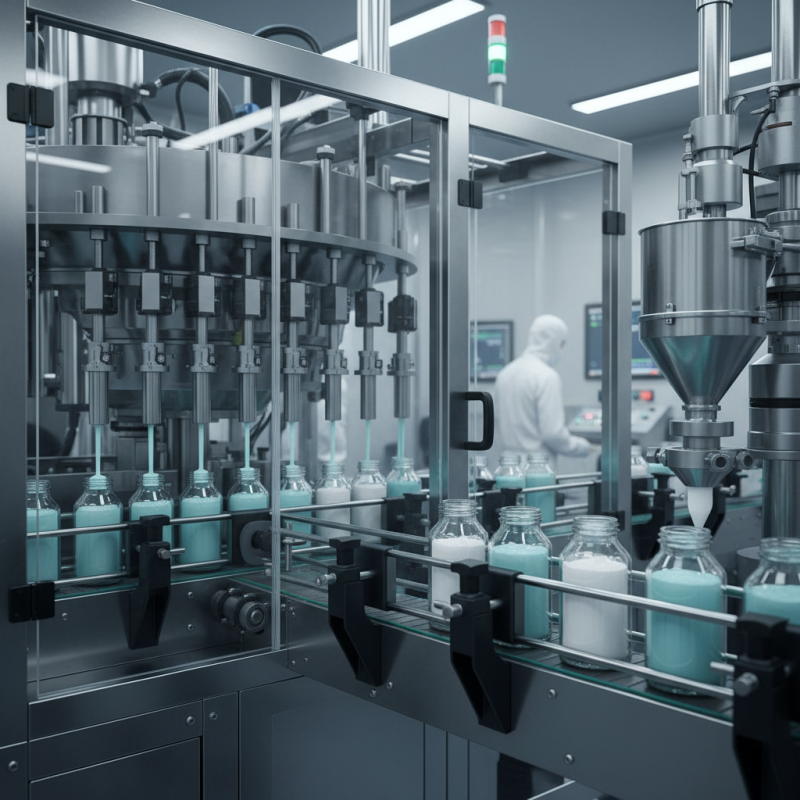
A filling machine is a device designed to dispense various liquids or powders into containers. Its primary function is to ensure accurate measurements and minimize wastage during the packaging process. In industries like food and beverage, pharmaceuticals, and cosmetics, filling machines increase efficiency and maintain quality control. Reports indicate that the global filling machine market is expected to grow by 9.5% annually, reaching over $8 billion by 2025.

The purpose of a filling machine goes beyond just filling. It enhances consistency and speed in production lines. For example, an automatic filling machine can handle up to 600 bottles per hour. This level of efficiency is vital for meeting consumer demand. However, transitions between products can be clumsy. A changeover might require adjustments that are time-consuming. Empty containers sometimes get missed, leading to unfilled bottles.

While filling machines are crucial in many industries, they are not without flaws. Calibration is essential for accuracy. Frequent maintenance is also needed to ensure reliability and prevent downtime. In some cases, the initial setup can be complicated for new operators. Understanding the machine's intricacies takes time. Nonetheless, the overall impact these machines have on productivity is undeniable.
Types of Filling Machines and Their Applications

Filling machines are essential in various industries. These machines help streamline the packaging process. They come in different types, each suited for specific applications.

Liquid filling machines are commonly used in the beverage and cosmetics industries. They accurately dispense liquids into containers. This ensures minimal waste and consistent volumes. Conversely, powder filling machines cater to food, pharmaceuticals, and chemicals. These machines handle powders and granules effectively.

Tips: Always ensure the machine is clean before use. A clean machine prevents contamination. Regular maintenance is vital for optimal performance. Inspecting the machine regularly can save time later. In some cases, machine calibration may be necessary. Don't overlook minor issues; they can escalate quickly.

Another type is gravity filling machines. They rely on gravity to fill containers. This makes them suitable for thick liquids but may lead to inconsistencies. Consider the use of pressure fillers for more accurate filling. They are good for both thick and thin liquids.

In choosing a filling machine, assess your production needs. Think about the type of product you're filling. Each machine has its quirks and limitations.

What is a Filling Machine and How Does It Work? - Types of Filling Machines and Their Applications

Filling Machine Type Application Working Principle
Volumetric Filling Machine Liquid, paste products Fills products based on volume through pumps or pistons.
Gravity Filling Machine Beverages, oils Uses gravity to fill containers; ideal for low-viscosity liquids.
Pneumatic Filling Machine Foamy liquids, gels Utilizes compressed air to fill containers, reducing foaming.
Auger Filling Machine Powders, granules Employs an auger screw to measure and fill products.
Shelf-Stable Filling Machine Canned goods, shelf-stable liquids Fills products that can be kept at room temperature for extended periods.

Basic Components of a Filling Machine

What is a Filling Machine and How Does It Work?

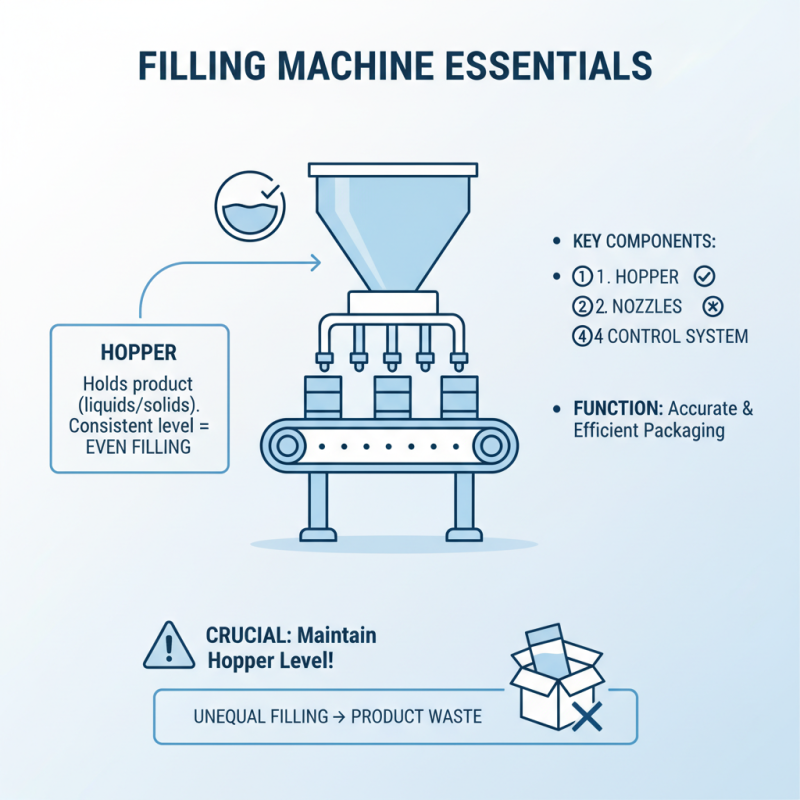
Filling machines are essential for packaging various liquids and solids. They consist of several key components that work together to ensure accuracy and efficiency. One of the primary elements is the hopper, which holds the product to be dispensed. It is important for the hopper to maintain a consistent level. If not managed well, it can lead to uneven filling.

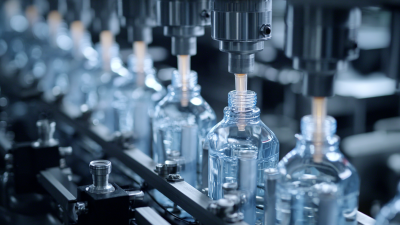
Another critical component is the filling nozzle. This nozzle controls the flow of the product into containers. The design of the nozzle can affect how smoothly products are filled. A poorly designed nozzle might cause drips or spills, leading to waste and inefficiency. It's crucial to select a nozzle suitable for the type of product being filled.

Additionally, the conveyor system moves containers into place for filling. If the conveyor speed is too fast, it can lead to bottlenecks. Operators need to monitor the system closely. Adjustments may be necessary to ensure the filling process runs smoothly. Each component plays a vital role, and understanding this can lead to improved performance in a production line.

How Filling Machines Operate Step by Step

What is a Filling Machine and How Does It Work?

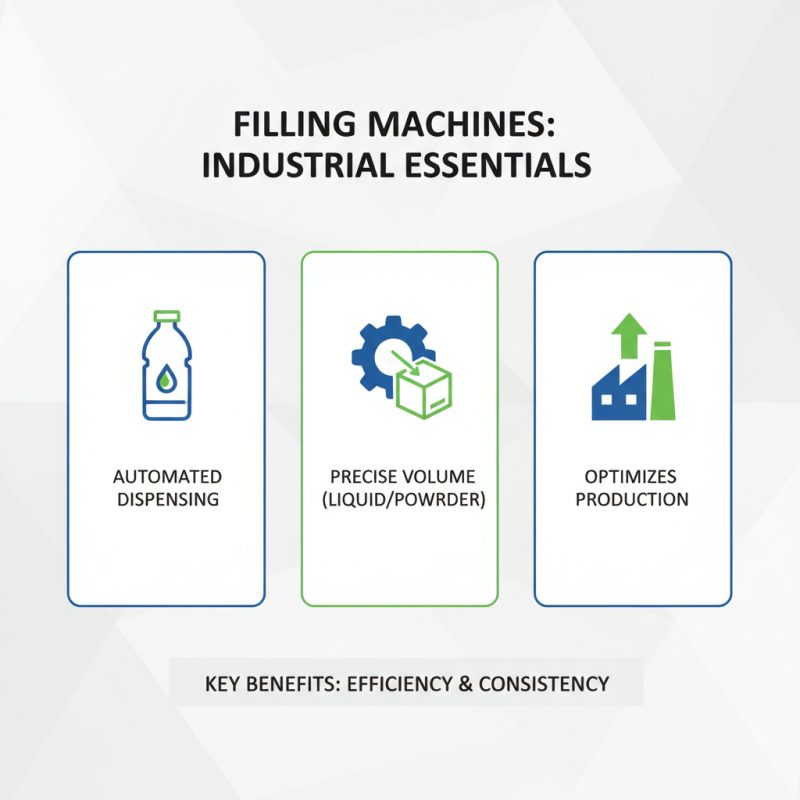
Filling machines are essential in various industries. These machines automatically dispense a specific volume of liquid or powder into packaging. Understanding their operation helps industries optimize production.

How do filling machines work? They generally follow several key steps. First, the product is prepared. This might involve mixing or heating to ensure consistency. Next, the machine loads the containers onto a conveyor. Timing and synchronization are crucial here.

Once containers are in place, the filling process begins. Different technologies are used, such as gravity or pressure filling. Each method has its pros and cons. For example, gravity filling is often simpler but not ideal for thick liquids. After filling, containers are sealed and labeled. This whole process can take mere seconds for each container.

**Tip:** Regular maintenance is vital. Machines need to be calibrated often. This prevents errors that can lead to wasted resources. Keeping an eye on the fill levels is crucial too. Inaccuracies can result in product loss.

The entire operation relies heavily on precision. Any mistakes could lead to product recalls or financial loss. Continuous training for staff ensures they’re aware of best practices. Observing how filling machines operate can reveal areas for improvement.

Maintenance and Troubleshooting for Filling Machines

Maintaining filling machines is crucial for optimal performance. Regular maintenance checks can help identify potential issues before they disrupt production. Inspect seals, hoses, and valves routinely. These parts wear out over time and can cause leaks or misfills. Pay close attention to the cleanliness of components, as dirt can accumulate and affect operations. Small oversights can lead to bigger problems down the line.

Troubleshooting common issues can save time and resources. If you notice inconsistent filling volumes, it may stem from an air leak in the system. It's important to listen for any unusual sounds during operation. A grinding noise could indicate friction in the machinery, requiring lubrication. Moreover, adjusting pressure settings could help correct erratic fill rates. Each problem offers a learning opportunity. Reflecting on past service logs can reveal patterns in machine behavior.

Filling Machine Performance Metrics

This chart illustrates the average operational performance of filling machines over a six-month period, focusing on Efficiency, Downtime, and Error Rates.

Get in touch

Our goal is to provide you with excellent customer service while meeting all of your packaging automation needs. We provide the peace of mind that comes from working with one manufacturer, one service department and one point of contact.