
BLOG

How to Choose the Best Liver Cat Treats?

Choosing Liver Cat Treats seems simple, especially when a cat eagerly follows the packet opening. The decision requires more care. Liver is rich in protein, aroma, and vitamin A. However, frequent or excessive feeding may create nutritional concerns, particularly when treats supplement a complete diet.

The American Pet Products Association reported that 66% of U.S. households owned a pet in 2023–2024. Its industry data also showed continued growth in pet-care spending, including snacks and functional products. More choices do not always mean better choices. A bright package cannot confirm suitable ingredients, safe portions, or responsible manufacturing.

Look closely. Very closely.

The World Small Animal Veterinary Association recommends evaluating nutrition through evidence, formulation, and individual health needs. The FDA also explains that “complete and balanced” claims relate to established nutritional standards, not automatically to every treat. This distinction matters because treats usually are not designed to replace a cat’s main food.

This guide examines ingredient quality, vitamin A considerations, calorie density, sourcing, texture, and feeding instructions. It also considers age, weight, allergies, kidney concerns, and veterinary recommendations. Some labels remain unclear, and that is worth admitting. Marketing language can sound authoritative without providing meaningful nutritional detail.

A practical choice should leave fewer unanswered questions. When uncertain, discuss Liver Cat Treats with a qualified veterinarian. Small portions may look harmless, yet repeated daily feeding can quietly change a cat’s calorie balance. Evidence helps, but careful observation matters too.
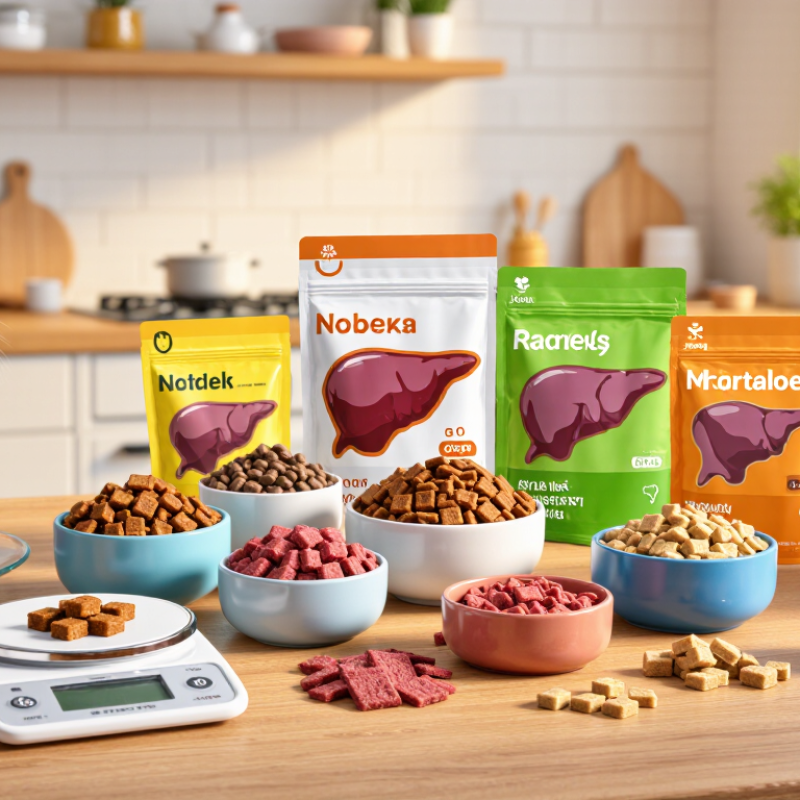
How to Choose the Best Liver Cat Treats?

Understanding the Nutritional Value of Liver Cat Treats

Liver cat treats can be nutritious, but their value depends on portion size and preparation. Liver supplies highly available protein, iron, copper, and vitamin A. These nutrients support muscles, blood cells, and normal vision. A small, chewy piece may offer more nutrition than a large biscuit filled with starch. Yet “more” is not automatically better. Cats need balanced meals, not a bowl of liver.

When choosing a treat, read the ingredient panel and guaranteed analysis. Look for liver named clearly, such as chicken liver or beef liver, rather than vague animal ingredients. Check calories per piece, especially for indoor or less active cats. Treats should usually stay within about 10 percent of daily calories. Complete food should provide the remaining nutrients. A veterinarian can help adjust portions for kittens, older cats, or cats with kidney or liver conditions. This is practical guidance, not a substitute for an examination.

Texture matters in real homes. Soft treats may suit cats with missing teeth, while freeze-dried pieces can crumble across the floor. Store opened treats in a cool, dry place and follow the package directions. Cats may reject a “healthy” treat after one sniff. That does not prove poor quality. Preferences are individual. Start with one small piece, then watch for vomiting, diarrhea, or itching. Stop if problems appear. I would also question dramatic health promises; nutrition rarely works like a miracle.

Checking Ingredients for Safety and Quality

Choosing liver cat treats starts with the ingredient panel, not the front label. Look for clearly named liver, such as chicken liver or beef liver. Vague terms can hide inconsistent quality. The first ingredients should match the treat’s main purpose. Check the guaranteed analysis for protein, fat, moisture, and fiber. Numbers need context. A high protein figure alone proves little.

Avoid treats with onions, garlic, chocolate, grapes, raisins, or added alcohol. Cats also need caution around excessive vitamin A, especially when liver appears often in the diet. Liver is nutrient-dense. Too much may create nutritional imbalance. Ask a veterinarian about portions if your cat has kidney, liver, weight, or digestive concerns. An independent laboratory statement, clear manufacturer contact, batch details, and an expiration date improve traceability. I prefer short ingredient lists, but short does not automatically mean safer.

Read feeding directions closely. Treats should remain a small part of daily calories. Break a firm piece into smaller portions, and watch for sharp edges or choking risks. Texture matters. Choose sealed packaging without swelling, tears, or strange odors. After opening, store it exactly as directed and record your cat’s response. Soft stools, vomiting, itching, or unusual tiredness deserve attention. Stop the treat and seek veterinary advice. Labels can be confusing, and I sometimes overvalue familiar ingredients. Rechecking the panel with a calm, critical eye is a better habit.

How to Choose the Best Liver Cat Treats? - Checking Ingredients for Safety and Quality

Checking Dimension Preferred Label or Feature Safety or Quality Reason What to Watch For
Main ingredient Clearly identified liver, such as chicken, beef, or rabbit liver A named animal ingredient makes the product easier to evaluate and supports ingredient transparency. Vague terms such as “meat derivatives,” “animal protein,” or “meat flavor” without further detail
Ingredient simplicity A short recipe with liver and only necessary processing ingredients Fewer ingredients can make it easier to identify potential allergens or digestive triggers. Long ingredient lists containing several unnamed animal ingredients, artificial colors, or unnecessary flavorings
Vitamin A level A product intended for occasional feeding, with serving directions and calorie information Liver is naturally very high in preformed vitamin A. Excessive long-term intake can contribute to vitamin A toxicity and skeletal problems in cats. Large daily portions, frequent feeding, or combining liver treats with other high-vitamin-A supplements
Nutritional purpose A statement that the product is a treat or complementary food, not a complete diet Treats generally do not provide all nutrients required for a cat’s daily diet. Using liver treats as a meal replacement or allowing them to displace nutritionally complete cat food
Calorie information Calories listed per treat, gram, or recommended serving Calorie information helps owners keep treats within the commonly recommended limit of about 10% of daily calories. High-calorie treats given freely or without reducing the regular food portion when appropriate
Toxic ingredients No onion, garlic, chives, leeks, or products containing these ingredients Allium plants can damage red blood cells and may cause anemia in cats. Fresh, powdered, dehydrated, or concentrated forms of allium ingredients
Sweeteners and additives No added sweeteners; no xylitol or other unnecessary sugar substitutes Cats do not need sweetened treats, and xylitol should not be included in pet products. Sugar, syrup, xylitol, excessive salt, artificial colors, or strong unidentified flavor enhancers
Raw versus cooked Cooked, freeze-dried, or dehydrated product made under controlled food-safety conditions Raw animal products may carry pathogens such as Salmonella or Listeria, which can affect pets and people. Unprocessed raw liver, unclear handling instructions, or feeding practices that increase household contamination risk
Moisture and storage A clear use-by date, lot code, sealed packaging, and storage instructions Proper storage helps limit spoilage and contamination after opening. Damaged packaging, mold, unusual odor, moisture in a dry product, or treats stored beyond the stated period
Texture and size Small, appropriately sized pieces that can be broken into controlled portions Smaller portions support calorie control and may reduce choking risk when supervised. Large, hard pieces offered to cats that gulp food or have dental or swallowing difficulties
Allergen and tolerance check A single, clearly named animal protein when a cat has a sensitive stomach or suspected food allergy A simple protein source makes it easier to monitor reactions such as vomiting, diarrhea, or itching. Introducing several new treats at once or continuing a treat that causes repeated digestive or skin symptoms
Special health conditions Veterinary guidance for cats with liver disease, kidney disease, obesity, urinary issues, or prescription diets Medical diets and individual nutrient limits can make ordinary treats unsuitable. Adding liver treats without checking with a veterinarian when the cat has a diagnosed condition

Practical reminder: Introduce any new treat gradually, provide fresh water, supervise feeding, and stop use if vomiting, diarrhea, itching, or other unusual symptoms occur.

Choosing Treats Based on Your Cat’s Health Needs

How to Choose the Best Liver Cat Treats?

Choosing Treats Based on Your Cat’s Health Needs

Liver-flavored treats are not automatically suitable for cats with liver disease. A cat with hepatic lipidosis may need enough protein and calories, while another cat may require copper control. These needs differ. The Merck Veterinary Manual stresses individualized nutrition for feline liver disorders. Your veterinarian should review blood tests, body weight, and current food before approving treats.

Start with the ingredient panel. Choose small, clearly labeled treats with limited additives. Avoid products containing onion, garlic, excessive salt, or unlisted organ ingredients. Treats should not replace a complete, balanced diet. The AAHA 2021 Nutrition and Weight Management Guidelines recommend keeping treats below 10% of daily calories. For a 4-kilogram cat, that allowance may be surprisingly small. Check the calorie content, not just the package size.

Health conditions can change the safest choice. Overweight cats may need tiny freeze-dried pieces, while cats with dental pain may need softer textures. Cats taking medication might accept a treat, but mixing medicine into food can sometimes reduce appetite. I once assumed “natural” meant safer; that assumption was weak. Some rich liver treats may trigger digestive upset or unbalance a therapeutic feeding plan. Introduce one piece, watch stool, vomiting, appetite, and energy for 24 hours, then record the response.

Determining the Right Portion and Feeding Frequency

How to Choose the Best Liver Cat Treats?

Determining the Right Portion and Feeding Frequency

Liver treats are intensely flavorful, so a small piece often works. They also contain concentrated nutrients, including vitamin A and copper. The National Research Council’s Nutrient Requirements of Dogs and Cats warns that excessive vitamin A intake can harm cats over time. More is not better.

Start with your cat’s daily calorie target, preferably confirmed by a veterinarian. WSAVA Global Nutrition Guidelines recommend keeping treats below 10% of daily calories. For a 4-kilogram indoor cat eating about 200 calories daily, treats should provide no more than 20 calories. Check the treat label, then weigh portions with a small kitchen scale. One large cube may exceed the limit.

Offer liver treats two or three times weekly, rather than automatically every day. Break each piece into crumbs for training or medication routines. Reduce the main meal slightly when treats are added. The Association for Pet Obesity Prevention reported that about 61% of surveyed U.S. cats were overweight or obese in 2022, making calorie control important.

Watch the litter box, body shape, appetite, and energy. Loose stool means the portion may be too large.

Stop if vomiting or unusual thirst appears, and contact a veterinarian.

I used to judge portions by eye. That was convenient, but unreliable. Treat calories vary widely, and some cats gain weight quietly. Recheck body condition monthly, not only when the ribs become difficult to feel.

Comparing Treat Types, Brands, and Storage Requirements

How to Choose the Best Liver Cat Treats?

Liver treats vary widely in texture, calories, and storage needs. Freeze-dried pieces are lightweight and shelf-stable, but they can crumble into sharp-looking flakes. Dehydrated liver usually feels denser and chewier. Soft treats may suit older cats, although moisture can shorten shelf life. The WSAVA Global Nutrition Committee recommends keeping treats below 10% of a cat’s daily calories. For a small cat, one large piece may already exceed that limit. Check the calorie statement, not only the ingredient list. That detail is easy to miss.

When comparing brands, focus on transparent testing and clear feeding directions. Look for a named liver source, batch information, guaranteed analysis, and an accessible customer-service contact. AAFCO nutrient profiles help assess complete diets, but treats are usually supplemental products. They should not replace balanced cat food. I prefer products with simple packaging and fewer unnecessary coatings. Still, “natural” does not automatically mean safer. I have also found that cats may reject excellent treats after one texture change.

Storage requirements can determine the better choice. Follow the package instructions, then seal opened treats in an airtight container away from heat and sunlight. Refrigerate moist treats after opening. FDA guidance advises using opened canned pet food within three to five days when refrigerated. Discard treats with mold, sour odors, swelling, or unusual stickiness. My practical mistake was leaving a soft treat pouch near a warm window. The cat noticed nothing. The smell did.

How to Choose the Best Liver Cat Treats?

Comparing treat types by typical storage life after opening. Always follow the product label, especially for products containing preservatives or added ingredients.

Freeze-dried and dehydrated treats are shelf-stable when kept sealed and dry, while cooked or canned liver treats require refrigeration and faster use after opening. Liver treats should be offered in small portions because liver is rich in vitamin A.

Get in touch

Our goal is to provide you with excellent customer service while meeting all of your packaging automation needs. We provide the peace of mind that comes from working with one manufacturer, one service department and one point of contact.