
How to Choose the Best Freeze Dried Fruits for Your Diet?
Choosing the right Freeze Dried Fruits for your diet can feel overwhelming. With so many options available, it's easy to get lost in the choices. Freeze dried fruits offer convenience and a burst of flavor. They are lightweight, portable, and packed with nutrients. You can toss them into smoothies, cereals, or enjoy them as a snack.
Not all freeze dried fruits are created equal. Some may contain added sugars or preservatives. It’s essential to read the labels carefully. Look for products that are 100% fruit. This ensures you’re getting the best nutritional value. Quality can vary among brands. Opt for trusted sources to guarantee freshness and taste.
Sometimes, even the best choices might not meet our expectations. You may find that some freeze dried fruits don’t rehydrate as well as others. Experimenting with different types can reveal surprises. Keep an open mind, and don't hesitate to try new flavors. Finding the perfect freeze dried fruits for your diet can be a journey filled with ups and downs.
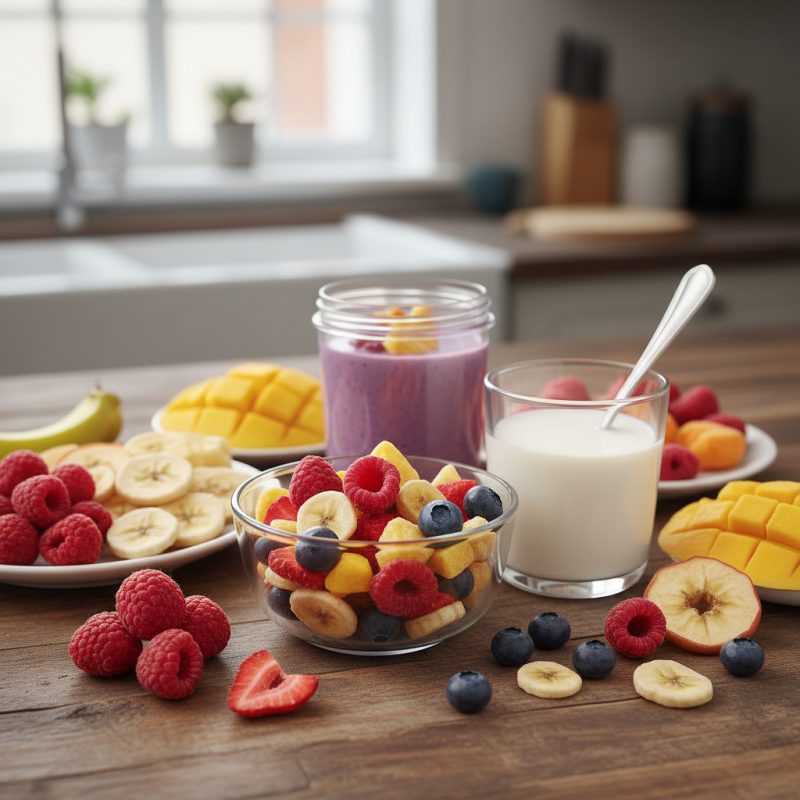
Understanding Freeze-Drying Process and Its Nutritional Benefits
The freeze-drying process is a fascinating method of preserving fruits. In this technique, fruits are frozen and then subjected to a vacuum, removing moisture while maintaining their structure. This method retains around 90% of nutrients, making freeze-dried fruits a powerhouse of vitamins. Research shows that freeze-drying can preserve up to 97% of vitamin C content compared to other drying methods.
Nutritional benefits are significant. For instance, freeze-dried strawberries have more antioxidants than their fresh counterparts. A study published in the Journal of Food Science indicates that freeze-dried fruits contain higher levels of essential nutrients. However, some may argue these fruits lack the texture and taste of fresh varieties. It’s true; the crunchiness might not appeal to everyone.
Choosing the best freeze-dried fruits means considering your dietary needs. Some contain added sugars or preservatives, which can detract from their nutritional value. It’s essential to read labels carefully. Checking for single-ingredient products often ensures better quality. Remember, not all freeze-dried options are equal, and personal preference plays a critical role. Exploring different fruits can also lead to discovering unique flavors and textures that you may enjoy.
Evaluating Nutrient Retention in Freeze Dried Fruits
When choosing freeze-dried fruits, nutrient retention is crucial. The freeze-drying process helps maintain vitamins. However, not all fruits retain nutrients equally. For instance, strawberries often keep their vitamin C content well, while bananas may lose some nutrients during processing. It’s worth noting that while freeze-drying preserves some elements, others can diminish.
Check the color and texture of freeze-dried fruits. Bright colors indicate better retention of antioxidants. Dull or gray fruits may signify nutrient loss. Pay attention to packaging as well. Look for seals that indicate minimal processing. Nutrient loss can occur from prolonged exposure to light or air.
Taste is another factor to consider. Some freeze-dried fruits lack sweetness compared to fresh options. This difference can affect your overall diet. Reflect on how you like to consume these fruits. Are they snacks or smoothie ingredients? Your preferences can greatly influence the chosen options.
How to Choose the Best Freeze Dried Fruits for Your Diet? - Evaluating Nutrient Retention in Freeze Dried Fruits
| Fruit Type | Vitamin C Retention (%) | Fiber Content (g/100g) | Antioxidant Levels (ORAC value) | Calories (kcal/100g) |
|---|---|---|---|---|
| Strawberries | 90 | 7.0 | 440 | 300 |
| Bananas | 75 | 6.0 | 347 | 346 |
| Apples | 85 | 3.0 | 200 | 520 |
| Blueberries | 90 | 2.4 | 550 | 320 |
| Peaches | 80 | 1.5 | 250 | 390 |
Comparing Sugar Content in Freeze Dried Fruits vs. Fresh Fruits
When comparing sugar content in freeze-dried fruits and fresh fruits, the difference can be surprising. Freeze-dried fruits often have higher sugar concentrations. This is because the dehydration process removes water but retains the natural sugars. Fresh fruits contain water, which dilutes their sugar content. For example, a cup of fresh strawberries has less sugar than a cup of freeze-dried strawberries.
When choosing freeze-dried fruits, consider their sugar levels. Not all fruits are created equal. Some freeze-dried options can be very sweet. To make a smart choice, read the labels. Look for options with minimal added sugars.
Tips: Try to balance your intake. Pair freeze-dried fruits with nuts or yogurt to reduce the overall sugar impact. Choose fruits that are lower in sugar, like freeze-dried kiwi or pears. Be mindful of portion sizes too. It can be easy to eat more than you intended. Remember, moderation is key to maintaining a healthy diet while enjoying freeze-dried fruits.
Identifying Common Additives and Preservatives in Freeze Dried Products
When choosing freeze-dried fruits, it's crucial to scrutinize the ingredients list. Many products contain additives and preservatives that may not align with a healthy diet. Common preservatives include sulfites, which can trigger allergic reactions in some individuals. This is especially important for those with sensitivities.
Moreover, some freeze-dried fruits are sweetened, altering their natural flavor profile. Look for options labeled as "no added sugar" or "organic." These terms usually indicate fewer additives. However, not all products marketed as "healthy" are devoid of unwanted ingredients.
It’s wise to consider the source and processing methods. Some brands may use misleading marketing techniques. Reading reviews can provide insights that the ingredients list may not reveal. Always ask yourself if you truly know what's in that package.
Selecting Freeze Dried Fruits Based on Dietary Needs and Preferences
When choosing freeze-dried fruits, consider your dietary needs. Are you looking for low-calorie snacks? Some fruits are lighter than others. Strawberries and raspberries are excellent choices for weight management. They are tasty and satisfy sweet cravings without many calories.
Think about any allergies or dietary restrictions too. Some people may react to certain fruits. It's essential to read labels carefully. Look for options without added sugars or preservatives. Freshness matters, even in freeze-dried products. You want fruits that maintain their nutrients and flavors.
Your personal preferences are important. Do you enjoy tart fruits or sweeter options? You might find that a mix of both can spice up your meals. Experiment with different varieties. It’s okay if you don’t love every choice. Taste testing can guide your decisions. Enjoying the journey of exploration is part of it.