
BLOG

How to Choose Neutral Silicon Fertilizer for Your Farm?

Choosing a Neutral Silicon Fertilizer is not simply a matter of selecting a product labeled “neutral.” Farmers need to consider crop, soil conditions, application method, and the form of silicon plants can access. A bag may look suitable on the shelf, yet perform differently in a dry sandy field than in a moist, clay-rich one. Small details matter.

Plant physiologist Emanuel Epstein wrote, “Silicon is the second most abundant element in the earth’s crust, but its role in plant biology is still not fully understood” (1999). That caution remains useful. Silicon can support plant structure and stress responses, but results depend on crop and growing conditions. It is not a universal fix. Not quite.

Before buying, check the product’s declared silicon content, solubility, pH information, and recommended rate. Ask for a recent analysis, and compare it with a soil or irrigation-water test where available. If the fertilizer will pass through drip lines, confirm that it dissolves fully and is compatible with other inputs. A blocked emitter is a costly surprise. Also review the label for storage guidance and application limits; “neutral” alone does not guarantee suitability.

This guide explains how to match a Neutral Silicon Fertilizer to farm needs, assess product claims, and avoid paying for features that do not fit the field. Some uncertainty is unavoidable. A small, monitored trial may reveal more than a confident sales promise.
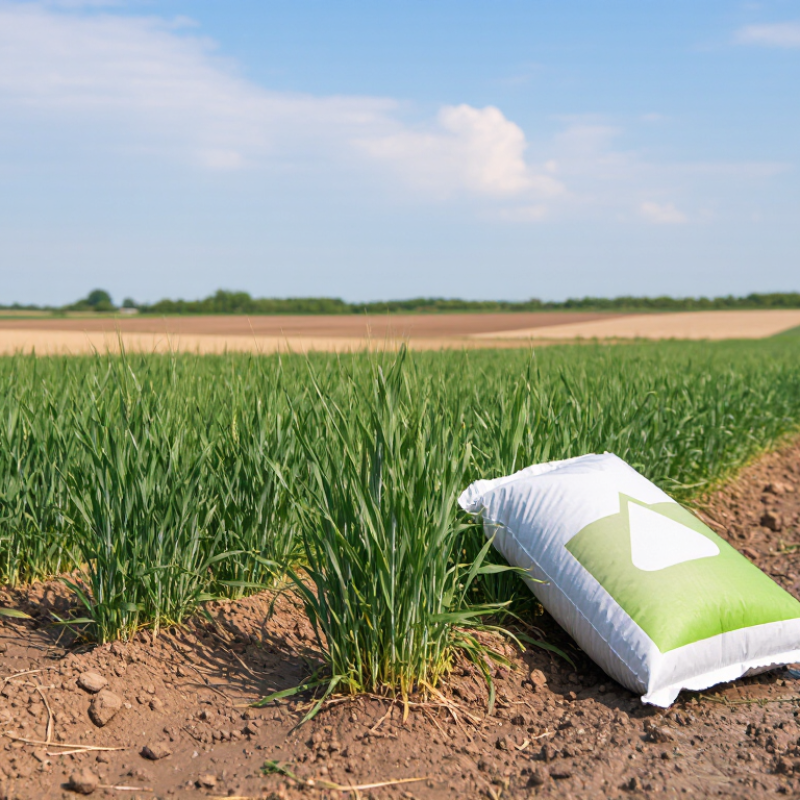
How to Choose Neutral Silicon Fertilizer for Your Farm?

Understanding Neutral Silicon Fertilizer and Its Agricultural Role

Neutral silicon fertilizer describes a material intended to supply plant-available silicon without substantially shifting soil pH. The term does not identify one chemical form, so check the product’s soluble silicon content and pH effect. Rice is a useful example: Ma and Takahashi’s 2002 review, Soil, Fertilizer, and Plant Silicon Research in Japan, reports that rice can accumulate silicon to several percent of shoot dry weight. That demand helps explain silicon’s role in strengthening tissues and supporting tolerance to some stresses. It does not mean every crop needs the same rate. Not even close.

In the field, start with a soil test and the crop’s history, then compare the lab’s available-silicon result with local recommendations. Ask the supplier for a certificate of analysis showing soluble silicon, neutralizing value, and contaminant limits. A neutral label alone can mislead; materials differ in how quickly they release silicon. Apply a small test strip beside an untreated area, and record soil pH, crop stage, and yield. Look for sturdier stems or less lodging, but treat those signs as clues, not proof. Results can vary with soil texture, water management, and application timing. I would be cautious about copying a rate from another farm; even good data cannot replace a local check.

Assessing Soil Conditions and Crop Silicon Requirements

Choosing a neutral silicon fertilizer starts with the soil, not the product label. Request a soil test that includes plant-available silicon, pH, and texture. Sandy soils may lose soluble silicon more quickly, while some heavily weathered soils have limited reserves. A neutral formulation can help avoid unwanted pH shifts, but check its analysis and application guidance. Soil tests have limits; compare results with field history and crop performance.

Tips: Sample several spots at consistent depth. Keep separate samples from noticeably different field areas. Record recent lime and fertilizer applications.

Crop needs vary. Rice, for example, often benefits from adequate silicon because it accumulates the element in its tissues. Other crops may respond differently, and a visible problem is not proof of silicon deficiency. Look for local trial results or guidance from a qualified soil laboratory or agronomist.

Start with a measured rate, then assess growth and yield across comparable field strips. It is tempting to expect a quick fix. Silicon is not one.

Recheck soil conditions before repeating applications, especially where drainage or irrigation changes. A small test strip may be less convenient, but it can prevent a costly guess.

Comparing Fertilizer Forms, Silicon Content, and Availability

How to Choose Neutral Silicon Fertilizer for Your Farm?

Comparing Fertilizer Forms, Silicon Content, and Availability

Neutral silicon fertilizers vary in form, silicon content, and release speed. Soluble potassium silicate can supply readily available silicon, while also adding potassium. Calcium silicate materials, including some processed slags, usually dissolve more slowly and may also affect soil acidity. Check the label for elemental silicon, not just silicon dioxide; these figures are not interchangeable. Ma and Yamaji’s 2006 review in Trends in Plant Science reports plant silicon concentrations ranging from about 0.1% to 10% of dry weight, depending on species and growing conditions. Rice can accumulate substantial silicon, but that does not mean every crop needs the same rate. Soil matters.

Availability depends on the material’s solubility, soil pH, and moisture. A high silicon percentage on a label does not guarantee fast plant uptake. I would compare products using a soil test and the stated soluble silicon fraction, rather than price per bag alone. Admittedly, field response can be uneven; local trials are more useful than broad claims. Avoid applying a potassium-rich source without accounting for your crop’s total potassium requirement.

Tips: Check whether the label reports elemental silicon or SiO₂. Ask for a certificate of analysis and confirm the application rate with a soil or crop adviser. For a small test strip, compare treated and untreated rows under the same irrigation and record visible changes.

Checking Product Quality, Safety, and Compatibility

How to Choose Neutral Silicon Fertilizer for Your Farm?

Checking product quality starts with the label, not the word “neutral.” Look for the stated silicon content, its available form, recommended application rate, and batch number. Ask for a recent analysis showing nutrient levels and relevant contaminant limits. A clear specification is more useful than a broad promise. Check the bag, too: moisture damage, hard lumps, or missing instructions deserve a closer look. Keep the safety data sheet available, and follow its handling guidance. Fine dust can irritate eyes and airways, so use suitable protective equipment when pouring or mixing.

Compatibility depends on your soil, water, and existing fertilizer program. “Neutral” does not guarantee that a product will behave the same in every field or tank mix. Review the product’s pH and mixing instructions, then test a small amount in a jar before combining it with other inputs. Watch for heat, settling, or clumping. For field use, try a small plot and compare it with an untreated strip. Keep application records. Details matter.

A label cannot predict every soil response. I would still want a small trial, even when the paperwork looks complete. Store the product dry, away from feed and water sources, and use clean tools to avoid contamination. If the instructions are vague, ask the supplier for written clarification before applying it. A little extra checking may feel slow. It is often worthwhile.

How to Choose Neutral Silicon Fertilizer for Your Farm?

Check Product Quality, Safety, and Compatibility

Soil pH classes shown are USDA NRCS categories. Use a soil test to check compatibility, then review the fertilizer label for declared silicon content, product pH, contaminant information, and application rate. These soil pH ranges are not fertilizer specifications.

Choosing an Application Rate and Timing for Your Farm

Choosing a rate for neutral silicon fertilizer starts with the product label and a recent soil test. Products differ in silicon content, solubility, and recommended application methods, so rates are not interchangeable. There is no universal rate. Consider crop type, soil texture, and existing silicon levels before deciding. A sandy field and a clay field may respond differently. If your test does not measure plant-available silicon, ask a local agricultural adviser which test is appropriate.

Timing depends on the crop and product. For a soil-applied material, application before planting may allow time for incorporation, if the label permits it. For a soluble product, follow directions for crop stage and placement; avoid applying before heavy rain or onto dry soil when irrigation is unavailable. On a small area, compare treated and untreated strips where practical. Record the rate, date, weather, and crop response. Results can be subtle, and one season may not tell the whole story.

Tips: Calibrate the spreader over a measured distance before treating the field. Keep records. Do not increase the rate just because visible results are limited; review soil data and application accuracy first. I would reassess after harvest, since field conditions rarely match a perfect trial.

How to Choose Neutral Silicon Fertilizer for Your Farm? - Choosing an Application Rate and Timing for Your Farm
Farm decision What to check Rate planning Typical timing Practical note
Confirm the product is suitable Check the label for soluble silicon content, whether the percentage is stated as elemental Si or SiO₂, product pH, permitted application methods, and crop directions. Use the labeled rate for the specific product and crop. Do not compare products by volume or weight alone; compare the amount of soluble Si delivered. Before purchasing or scheduling applications. “Neutral” can refer to product pH or its effect on soil pH. Confirm which meaning applies; it does not by itself indicate how much plant-available silicon the product supplies.
Use soil information to guide soil application Review a recent soil test, crop history, soil texture, irrigation water quality, and local recommendations for plant-available silicon. There is no single soil-silicon threshold or application rate that applies to every soil and crop. Use the interpretation method and recommendations provided by the local soil-testing laboratory. Test before planting or before the main fertilizer plan is finalized. Soil-test results are method-dependent. A result from one extraction method should not be interpreted using a threshold developed for another method.
Rice and other silicon-responsive crops Consider crop demand, field history, soil-test interpretation, and whether the product is approved for the intended use. For soil-applied products, follow the label and local crop recommendation. For foliar or fertigation products, follow the crop-specific label rate; do not substitute a soil rate. Soil application is commonly planned before planting or early in crop establishment. Any in-season application should follow the product label and local guidance. Rice is a strong silicon accumulator, but the suitable source and amount still depend on soil, product formulation, and local recommendations.
Wheat and other cereals Check whether silicon is recommended for the crop and whether the product label includes cereal use. Use only the labeled rate for the selected application method. Account for silicon already supplied by soil amendments or other fertilizer products. Soil-applied products are generally planned before sowing or at planting. Where foliar use is labeled, follow its specified crop stage and interval. Do not assume that a foliar product can replace a soil-applied source, or that a rate used in rice transfers directly to wheat.
Vegetables and transplanted crops Check crop-specific directions, irrigation compatibility, and whether the product is suitable for fertigation, drench, or foliar use. Apply the labeled rate and concentration. For repeated applications, follow the stated interval and seasonal maximum, if provided. Common planning points include transplant establishment and early vegetative growth, subject to label directions. For fertigation, confirm compatibility with other products and avoid mixing unless the label or a compatibility test supports it.
Orchards and perennial crops Consider tree age, soil or substrate test results, irrigation system, and the product’s approved perennial-crop uses. Base the amount and number of applications on the label and local recommendations; do not scale a field-crop rate directly to trees. Where approved, applications are often planned during active growth and coordinated with irrigation or the labeled foliar schedule. Maintain records by block and avoid repeated applications beyond the labeled seasonal maximum.
Check whether the soil application may change soil pH Review the source ingredients and label information, especially for silicate materials that may also supply calcium or magnesium. Use a pH-changing amendment rate only when supported by a soil test and local recommendation. A product described as neutral should not be presumed to have liming value. Evaluate before planting when possible, allowing time for any soil amendment to be incorporated as directed. Some silicate sources can affect soil pH; neutral-pH soluble products may behave differently. Follow the product specification rather than the generic product category.
Illustrative label-rate calculations (examples only, not application recommendations)
Example label information Calculation Silicon delivered How to use the result
Liquid product: 10% w/v elemental Si; labeled product rate: 2 L/ha 10% w/v = 100 g Si/L; 100 g/L × 2 L/ha 200 g elemental Si/ha Illustrates how to calculate delivered Si. Apply only if that product rate is permitted for the crop and application method.
Granular product: 15% w/w elemental Si; labeled product rate: 20 kg/ha 20 kg/ha × 0.15 3 kg elemental Si/ha Use the same calculation to compare labeled rates, while also considering solubility and application method.
Label reports silicon as SiO₂ rather than elemental Si Elemental Si is approximately 46.7% of the mass of SiO₂. Multiply the stated SiO₂ amount by 0.467 to estimate elemental Si. Check the label basis before comparing products; Si and SiO₂ percentages are not interchangeable.
Rate and timing rule: Set the application rate from the product label, crop, application method, and local soil-test recommendation. If those sources do not provide a clear rate, consult a qualified local agronomist or extension service before applying. Keep a record of product, rate, date, crop stage, and field.

Get in touch

Our goal is to provide you with excellent customer service while meeting all of your packaging automation needs. We provide the peace of mind that comes from working with one manufacturer, one service department and one point of contact.