BLOG

How to Choose China Top Liquid Filling Machine Suppliers?

Choosing a China top liquid filling machine supplier requires more than comparing prices. It demands evidence, process knowledge, and careful factory evaluation.

The global liquid filling machine market continues to expand. Grand View Research estimates that the market will grow steadily through 2030, supported by beverage, pharmaceutical, cosmetic, and household chemical production. PMMI’s State of the Industry reports also show strong investment in packaging automation. These figures suggest real demand, but they do not guarantee supplier quality. Market growth can hide uneven engineering standards.

Jorge Izquierdo, Vice President of Market Development at PMMI, has emphasized that “automation must solve a real production challenge, not simply add technology.” That principle matters when selecting a Chinese manufacturer. A reliable supplier should explain filling accuracy, nozzle design, pump compatibility, cleaning procedures, and changeover time in practical terms. Ask to see a working machine. Watch the liquid level inside each bottle. Check whether dripping occurs after shutdown. Small details often reveal large weaknesses.

Experience also matters. A supplier may show polished videos, yet offer limited commissioning support. That is a risk. Request factory records, test reports, customer references, and documented spare-parts plans. Confirm whether the machine handles your actual viscosity, container shape, and production speed. Some specifications look impressive on paper, but perform differently on a busy factory floor. Choosing well requires technical questions, independent verification, and a willingness to reconsider attractive assumptions.
How to Choose China Top Liquid Filling Machine Suppliers?

Define Your Liquid Filling Needs and Production Goals

How to Choose China Top Liquid Filling Machine Suppliers?

Define Your Liquid Filling Needs and Production Goals

A reliable purchase begins with your product, not a supplier list. Record viscosity, foaming behavior, temperature, container shape, and fill volume. Water-like liquids may run through gravity fillers, while oils, creams, or syrups often need piston or servo-driven systems. Measure the actual liquid at production temperature. Small changes can affect accuracy.

Set measurable goals before contacting Chinese suppliers. State containers per minute, acceptable fill deviation, changeover time, and planned operating hours. PMMI’s 2023 State of the Industry report noted that labor shortages and automation remain major packaging challenges. Its market data also placed North American packaging machinery shipments above 10 billion dollars in 2022. These figures support automation, but automation alone cannot fix poor product specifications.

Ask suppliers to provide test records using your liquid and containers. Check results from at least three filling speeds. Request evidence for accuracy, cleanability, electrical safety, and spare-parts support. A practical factory trial should include a 30-minute run, container checks, and cleanup timing. Do not accept “high precision” without measured data. I have seen promising demonstrations fail during foaming or frequent size changes. That is worth questioning. Your production target may also be too optimistic; include inspection time, material delays, and operator learning in the calculation.

Compare Filling Machine Types and Technical Specifications

How to Choose China Top Liquid Filling Machine Suppliers?

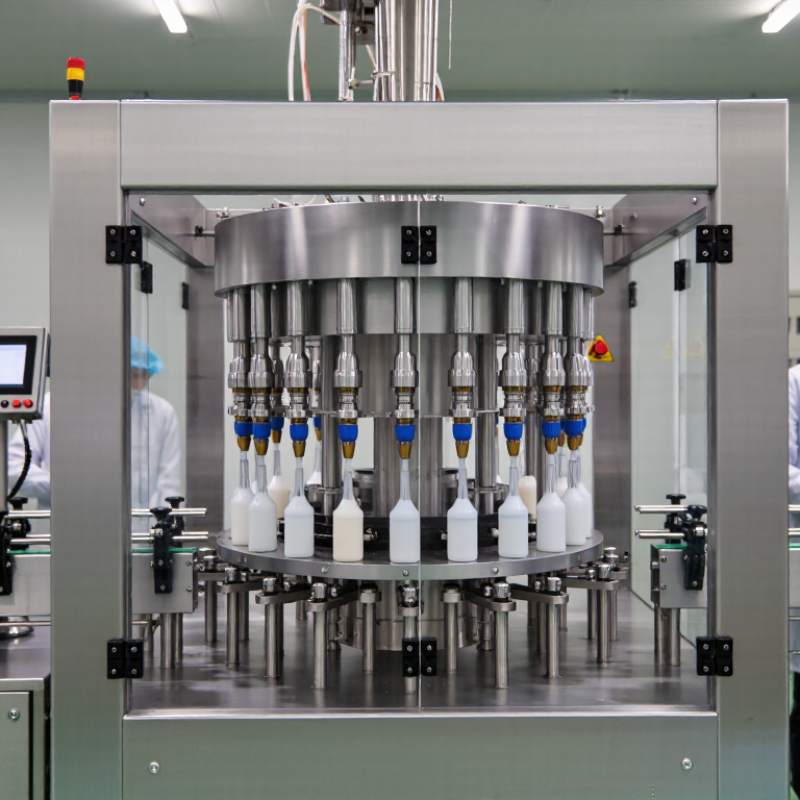
Choosing a reliable Chinese supplier starts with comparing filling machine types, not catalog images. Gravity fillers suit thin liquids, such as water-like solutions. Piston fillers handle thicker materials with better volume control. Overflow fillers maintain a consistent liquid level in transparent containers. Peristaltic systems reduce product contact and support cleaner processing. Each type has limits. The wrong choice can create dripping, foaming, or uneven weights.

Compare the specifications against your actual product. Check filling range, speed, accuracy, nozzle quantity, and container dimensions. Viscosity and temperature matter more than many buyers expect. A high-speed machine may perform poorly with cold, sticky liquid. Ask for test results using your containers and product. Confirm the stated accuracy under normal production conditions, not only during an empty demonstration. Review contact-part materials, cleaning methods, control systems, and changeover time. A polished specification sheet can still hide practical weaknesses.

Tips: Request videos of a live factory trial. Bring several container sizes. Measure five consecutive fills yourself. Ask how operators correct small errors. Also inspect wiring, seals, and nozzle movement. These details are easy to overlook. I would not rely on one test alone; repeated testing often reveals unstable pressure or slow recovery. Ensure the supplier provides drawings, spare-part lists, training, and a realistic service response process.

Evaluate Supplier Quality, Certifications, and Manufacturing Capacity

Choosing a top China liquid filling machine supplier requires more than comparing prices.

Quality begins with documented processes, traceable materials, and repeatable factory testing. The ISO Survey 2023 recorded 1,265,216 ISO 9001 certificates worldwide, but certification alone cannot prove machine performance. A certificate can be genuine yet insufficient. Check its scope, issuing body, validity, and covered production site.

Ask for calibration records, weld inspection methods, electrical safety testing, and a factory acceptance test using your actual liquid. Review filling accuracy, nozzle response, cleaning access, and changeover time.

Manufacturing capacity also matters. Visit the assembly area, observe component storage, and confirm whether critical parts are produced internally or outsourced. Request evidence of monthly output, installed machines, engineer numbers, and spare-parts availability.

PMMI industry research identifies automation, digital integration, and labor efficiency as major packaging investment drivers. Your supplier should explain these systems clearly, not hide behind technical language.

Tips:

Build a scorecard before contacting suppliers. Give quality, certifications, testing, capacity, and service separate scores. Require videos, test reports, and customer references from similar applications. Ask for a production schedule with inspection points. Do not accept “fast delivery” without capacity evidence. A small mistake here becomes an expensive delay. Recheck every assumption.

Check Customization, Automation, Service, and Spare Parts Support

Choosing a China-based liquid filling machine supplier requires more than comparing prices. Customization should match your liquid’s viscosity, foaming behavior, container shape, and filling volume. Ask for test results using your actual product and bottles. A machine that works well with water may struggle with syrup or oil. Request clear drawings, filling accuracy data, and changeover details before signing.

Automation also deserves close attention. Check whether the system supports recipe storage, touch-screen controls, sensors, and integration with capping or labeling equipment. Practical trials are valuable. Watch the operator adjust the machine, clean the filling heads, and restart production after a fault. The process may look simple, but small delays can reduce daily output. Do not assume every advertised function is useful for your line.

Tips:

Confirm service response times in writing. Ask whether remote diagnosis, installation guidance, and operator training are included. Spare parts support is equally important. Request a recommended list for pumps, seals, valves, sensors, and control components. Verify availability, storage life, and shipping arrangements. One overlooked seal can stop production. A perfect checklist is impossible, and my early evaluations sometimes focused too heavily on automation. In reality, easy maintenance and dependable communication often matter more. Also ask for manuals, wiring diagrams, preventive-maintenance schedules, and references from similar applications. These details help separate a capable supplier from a merely persuasive sales presentation.

Assess Total Cost, Delivery Terms, and Supplier Reliability

Choosing a liquid filling machine supplier in China requires more than comparing catalog prices. A low quote may exclude molds, installation, spare parts, factory testing, or export packaging. Ask for a line-by-line total-cost sheet. Include utilities, operator training, software updates, and expected maintenance. Request recent test videos using a product with similar viscosity and container shape. That evidence is useful. It is not perfect.

Delivery terms deserve equal attention. Confirm whether the price covers transport to the port, inland pickup, insurance, and export documents. Set milestones for drawing approval, machine completion, factory acceptance testing, and shipment. A written tolerance for filling accuracy can prevent disputes later. Check lead time against your production schedule, not an optimistic sales promise. If parts are delayed, who pays for storage or rescheduling? Ask plainly.

Reliability is built through verifiable habits. Review engineering records, quality checks, references, and response times before payment. Speak with at least two comparable users, if possible. A remote factory tour helps, but an independent inspection may reveal unfinished wiring or weak guarding. Confirm warranty coverage, troubleshooting hours, and spare-part availability in writing. Budget for small changes after installation. Real factories rarely match the first drawing exactly. That is uncomfortable, but practical.

Get in touch

Our goal is to provide you with excellent customer service while meeting all of your packaging automation needs. We provide the peace of mind that comes from working with one manufacturer, one service department and one point of contact.