BLOG

How to Choose the Best Powder Filling Machine for Your Business Needs

Choosing the right powder filling machine is a critical decision for any business involved in the packaging industry. Whether you are a small startup or a large-scale manufacturer, selecting the appropriate machine can significantly impact your operational efficiency, product quality, and overall profitability. With an array of options available in the market, it's essential to understand the specific needs of your business and how different machines cater to those requirements.

When evaluating powder filling machines, several factors come into play, including the type of powder being handled, the desired packaging speed, and the level of automation required. Each machine offers unique features and functionalities that can enhance your production process. It's also important to consider the ease of integration with existing systems, maintenance needs, and the scalability of the equipment as your business grows. By carefully assessing these elements, you can make an informed choice that aligns with your operational goals and ensures the consistent quality of your products.
How to Choose the Best Powder Filling Machine for Your Business Needs

Understanding Different Types of Powder Filling Machines and Their Applications

How to Choose the Best Powder Filling Machine for Your Business Needs

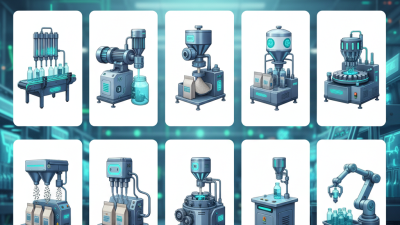
When selecting a powder filling machine, it’s essential to understand the various types available and their specific applications to meet your business needs effectively. Powder filling machines can be classified into several categories, including volumetric, gravimetric, and auger filling machines, each serving distinct functions. Volumetric machines measure powder by volume, making them suitable for free-flowing substances. According to a recent market analysis, volumetric fillers hold nearly 40% of the global market share due to their efficiency and speed, especially in industries like food and chemicals.

Gravimetric filling machines, on the other hand, measure the weight of the powder, which enhances accuracy and reduces waste—a crucial factor for high-value products. This type is increasingly favored in industries where precision is paramount, such as pharmaceuticals and specialty chemicals. Industry reports indicate that gravimetric systems are expected to grow by over 15% in the next five years as manufacturers prioritize operational efficiency and compliance with stringent regulatory standards. Meanwhile, auger fillers, best known for their ability to handle various powder characteristics, from fine powders to granules, are commonly used in culinary and supplement industries, emphasizing their versatility. Understanding these distinctions is key to optimizing production processes and ensuring product quality.

Evaluating Production Speed Requirements: Choosing the Right Machine for Your Output

When selecting a powder filling machine, understanding your production speed requirements is paramount to optimizing efficiency and meeting market demands. The necessary output will typically depend on the specific needs of your business and should align with your overall production strategy. For example, if your manufacturing operation requires high output due to large order volumes, it is essential to choose a machine capable of handling fast cycle times without compromising on accuracy or quality. Analyzing your average production runs will help ensure that you select a machine that can sustain appropriate speeds.

Moreover, it's vital to assess the nuances of your product's characteristics, such as flow properties, particle size, and density, as they can influence filling speeds. Some powders may require slower filling processes to prevent dust generation or caking, while others with free-flowing characteristics might allow for faster filling rates. Conducting tests with prospective machines can provide insight into how different models perform under varying speeds and conditions, ensuring that you find a solution that maximizes your production potential while maintaining the integrity of the product. Thus, taking the time to carefully evaluate production speed requirements can lead to significant improvements in the overall efficiency of your operations.

Assessing Accuracy and Precision in Powder Filling: Key Specifications to Consider

When selecting a powder filling machine, accuracy and precision are paramount for ensuring product quality and compliance with industry standards. According to a report from the International Society for Pharmaceutical Engineering (ISPE), a filling accuracy of ±1% is deemed critical for pharmaceutical applications, where even minor discrepancies can lead to significant regulatory implications. For industries such as food and cosmetics, the acceptable accuracy may vary but generally hovers around ±2% to ±3%, indicating that businesses must prioritize high-quality machines capable of achieving these specifications.

Key specifications to evaluate include the machine's fill volume consistency and its ability to handle various particle sizes without affecting product integrity. Recent studies show that machines equipped with weight-based filling methods tend to outperform volumetric systems in terms of accuracy, especially when filling fine powders or products with varying densities. Additionally, features such as adjustable filling speeds and advanced control systems contribute substantially to maintaining precision, reducing downtime, and minimizing product waste—factors that directly influence operational efficiency and profitability. As industries increasingly demand stringent quality measures, investing in a powder filling machine that meets these specifications can significantly enhance both output reliability and overall customer satisfaction.

How to Choose the Best Powder Filling Machine for Your Business Needs

Feature Specification Importance Level
Filling Accuracy ±0.5% - ±1% High
Filling Speed 30-100 containers/min Medium
Machine Size Compact/Standard Medium
Ease of Cleaning Tool-less disassembly High
Material Compatibility Plastic, Metal, etc. High
User Interface Touchscreen/Manual Medium
Power Consumption 500W - 2000W Low
Price Range $5,000 - $20,000 High

Analyzing Cost Efficiency and Budgeting for Powder Filling Machine Purchase

When considering the purchase of a powder filling machine, analyzing cost efficiency and budgeting are paramount. According to a recent report from the Packaging Machinery Manufacturers Institute (PMMI), the overall market for powder filling machines is projected to grow at a compound annual growth rate (CAGR) of 5.2% through 2025. This growth can be attributed to the increasing demand in sectors such as pharmaceuticals, food and beverage, and cosmetics, where precision and speed in filling processes are critical.

Understanding the cost implications not only involves the initial investment in the machinery but also considers ongoing operational costs, maintenance, and potential downtimes.

Furthermore, it is essential to evaluate the total cost of ownership (TCO) when budgeting for a powder filling machine. Industry analysis indicates that the TCO can be up to 25%-30% higher than the initial purchase price if hidden costs like energy consumption, spare parts, and labor are not accounted for. For businesses aiming to maximize their return on investment, it is advisable to conduct a thorough cost-benefit analysis. This should include the projected production volumes and potential savings from increased efficiency.

By taking these factors into consideration, companies can make informed decisions that align with their operational targets and financial constraints.

Identifying Key Features for User-Friendliness and Maintenance in Powder Fillers

When selecting a powder filling machine for your business needs, user-friendliness and maintenance are critical features to consider. A machine that is intuitive and easy to operate can significantly enhance productivity. According to a report by the International Society of Automation, systems that incorporate user-friendly interfaces typically improve efficiency by up to 20%. Features such as touchscreens, simplified controls, and clear indicators for operating conditions can prevent errors and speed up the training process for staff, making it more essential to pick machines with ergonomic designs that cater to user comfort.

In terms of maintenance, the reliability of a powder filling machine hinges on how easy it is to clean and service. Data from the Packaging Machinery Manufacturers Institute indicates that businesses with machines designed for quick disassembly and reassembly can reduce downtime by 30%, which is vital in maintaining output in a high-demand environment. Additionally, machines equipped with self-diagnostic tools and maintenance alerts can proactively address potential issues before they disrupt operations. By prioritizing these user-friendly features and maintenance capabilities, businesses can ensure smoother operations, reduced costs, and improved product quality in their powder filling processes.

Get in touch

Our goal is to provide you with excellent customer service while meeting all of your packaging automation needs. We provide the peace of mind that comes from working with one manufacturer, one service department and one point of contact.