BLOG

How to Choose the Best Concrete Placing Boom for Your Project?

Choosing the right Concrete Placing Boom can significantly impact your project's success. These machines are essential for efficiently delivering concrete to hard-to-reach areas. The selection process involves various factors, including project size, site conditions, and budget constraints.

A Concrete Placing Boom is not a one-size-fits-all solution. Different projects require different specifications. You might face challenges when matching the boom’s capabilities with your project needs. Sometimes, the choice may feel daunting due to the complex options available.

Understanding the features and limitations of various models is crucial. Each boom has its unique strengths and weaknesses. Additionally, consulting with experienced professionals can provide valuable insights. Remember, the stakes are high. Making an informed decision can lead to operational efficiency and cost savings in the long run.
How to Choose the Best Concrete Placing Boom for Your Project?

Understanding the Role of Concrete Placing Booms in Construction Projects

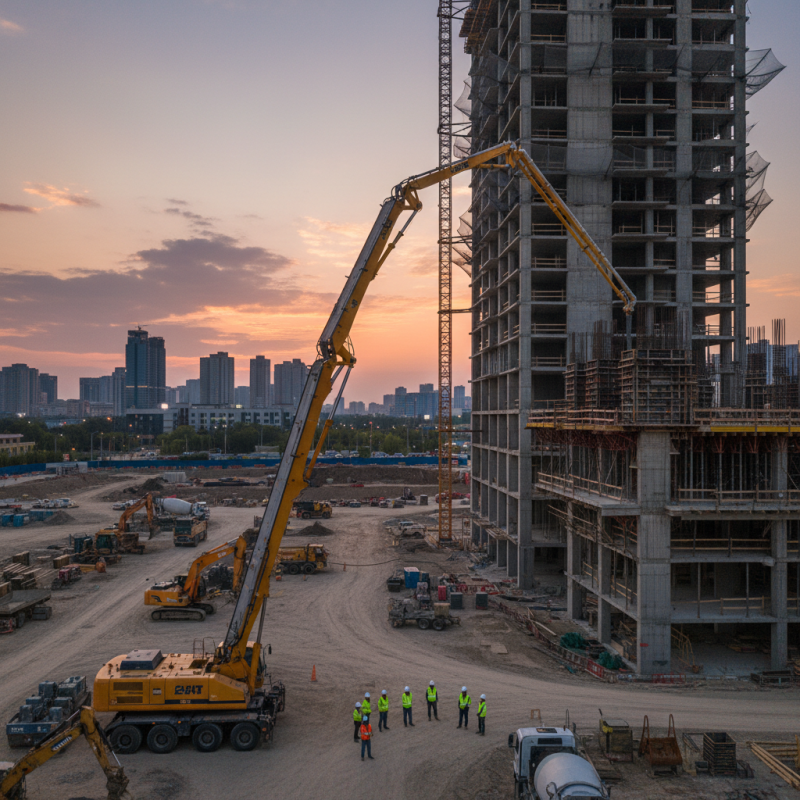
Concrete placing booms play a crucial role in modern construction projects. They enhance the efficiency of concrete placement, especially in large structures. These specialized cranes allow for precise, quick movements, ensuring that concrete is delivered exactly where it's needed.

The versatility of concrete placing booms makes them suitable for a range of applications. They can reach high elevations, catering to multi-story buildings and complex architecture. Yet, not all projects require the same boom type. Evaluating project specifications is essential in choosing the right model.

In some cases, limitations arise. Site space may restrict boom maneuverability. Additionally, weight limits can be a concern. Understanding the job site and communicating with experts can help address these challenges. However, taking the time to analyze both the benefits and drawbacks is vital for successful concrete placement.

Factors to Consider When Selecting a Concrete Placing Boom

Choosing the right concrete placing boom is crucial for project success. Various factors influence this decision. One major consideration is the boom's reach. A typical boom can extend up to 60 meters, depending on the model. Projects on high-rise buildings often require longer booms to ensure efficient material placement.

Load capacity is another essential factor. The average concrete placing boom can lift between 20 to 30 tons. However, some projects may need a higher capacity. It's important to assess the specific requirements of your construction project. Have all parameters been evaluated? Failure to do so can lead to delays and increased costs.

Safety features deserve attention as well. For instance, reliable hydraulic systems are vital for safe operation. Industry reports indicate that over 25% of accidents occur due to equipment failure. Regular maintenance checks are necessary but often overlooked. Are you ensuring that your boom’s safety mechanisms are routinely inspected and updated? A thorough examination of these aspects can lead to better project outcomes and enhanced worker safety.

Types of Concrete Placing Booms and Their Applications

When selecting a concrete placing boom, it’s vital to consider the types available and their specific applications. There are vertical booms, often used for tall structures. They can reach significant heights and are perfect for skyscrapers. Shorter structures benefit from horizontal booms, providing flexible placement and efficiency in smaller projects.

Another option is the stationary boom, ideal for locations where space is limited. These are often used on construction sites that require precise placements. Mobile booms offer versatility, allowing movement across various job sites. Each type comes with its advantages, suited for different project needs.

Choosing a concrete placing boom is not just about the mechanics. Understanding the project requirements is essential. Some projects may demand fast placements, while others prioritize accuracy. Evaluating your specific needs ensures you select the right boom for efficiency and safety. Mistakes in this choice can lead to increased costs and project delays. Taking time to reflect on these options makes a difference.

How to Choose the Best Concrete Placing Boom for Your Project?

Type of Concrete Placing Boom Maximum Reach (meters) Weight Capacity (tons) Typical Applications
Fixed Boom 30 10 High-rise construction, foundation work
Mobile Boom 25 8 Bridge construction, highway paving
Stationary Boom 40 12 Concrete pouring for large structures
Telescopic Boom 35 9 Tight spaces, multi-directional pouring
Luffing Boom 28 11 Specialized applications for skyscrapers

Evaluating Project Requirements for Optimal Boom Selection

Evaluating project requirements is crucial for selecting the best concrete placing boom. Various factors influence this choice, including project scale, site conditions, and concrete volume. According to a recent industry report, over 75% of construction delays relate to equipment mismatch. This underscores the need for precise evaluation.

Consider the height and reach of the boom. For instance, a high-rise project may require a boom with a reach of over 50 meters. Meanwhile, smaller projects might suffice with a 20-meter reach. It's vital to assess site accessibility, as complex structures may impede movement. About 60% of concrete placements fail due to inadequate equipment evaluation.

Project timelines also impact the decision. If a project has tight deadlines, the choice of a boom that allows for faster placement speed is essential. Research indicates that selecting the right boom can improve placement efficiency by 25%. Additionally, budgeting needs careful consideration. Over 30% of contractors reported going over budget due to unforeseen equipment costs. Therefore, aligning project requirements with boom capabilities is vital for success.

Maintenance and Safety Considerations for Concrete Placing Booms

When selecting a concrete placing boom, maintenance and safety should be paramount. Regular inspections are crucial to ensure every component functions properly. Check for wear and tear, especially on hydraulic hoses and electrical systems. Any signs of damage can lead to costly downtimes or accidents. Operators should be trained to identify potential issues early.

Safety protocols cannot be overlooked. Always adhere to local regulations and guidelines. Ensure that all workers are aware of their surroundings. Use protective gear, and set up exclusion zones to keep unauthorized personnel at a safe distance. An effective communication plan is essential for a team working with large machinery. Misunderstandings can lead to hazardous situations.

Maintaining the boom is not just about inspections. Regular cleaning helps prevent debris buildup that can affect performance. Take time to review operational logs. There might be patterns or recurring issues that need attention. Reflecting on past projects can provide valuable insights for future safety measures and maintenance routines. Avoid complacency; maintaining safety is an ongoing effort.

Concrete Placing Boom Performance Metrics

Get in touch

Our goal is to provide you with excellent customer service while meeting all of your packaging automation needs. We provide the peace of mind that comes from working with one manufacturer, one service department and one point of contact.