
BLOG

How to Choose Aluminium Sections for Doors and Windows?

Choosing the right Aluminium Sections For Doors And Windows is crucial for any construction or renovation project. The right selection impacts not only the aesthetic appeal but also the structural integrity and durability. Aluminium profiles offer numerous advantages, such as resistance to corrosion and low maintenance requirements. However, the wide variety of options can be overwhelming.

Before making a decision, it's important to consider factors like thermal performance, design flexibility, and the specific needs of your project. Remember, not all aluminium sections are created equal. Some may not meet your design needs or climate conditions. While looking for high-quality options, pay attention to the manufacturer's reputation and product certifications.

This journey of selection can be tricky. Sometimes, you might feel uncertain about which section works best for your needs. It’s essential to consult with industry professionals with expertise in Aluminium Sections for Doors and Windows. Do thorough research, and don’t hesitate to ask questions. A well-informed choice can greatly enhance the performance and appearance of your windows and doors.
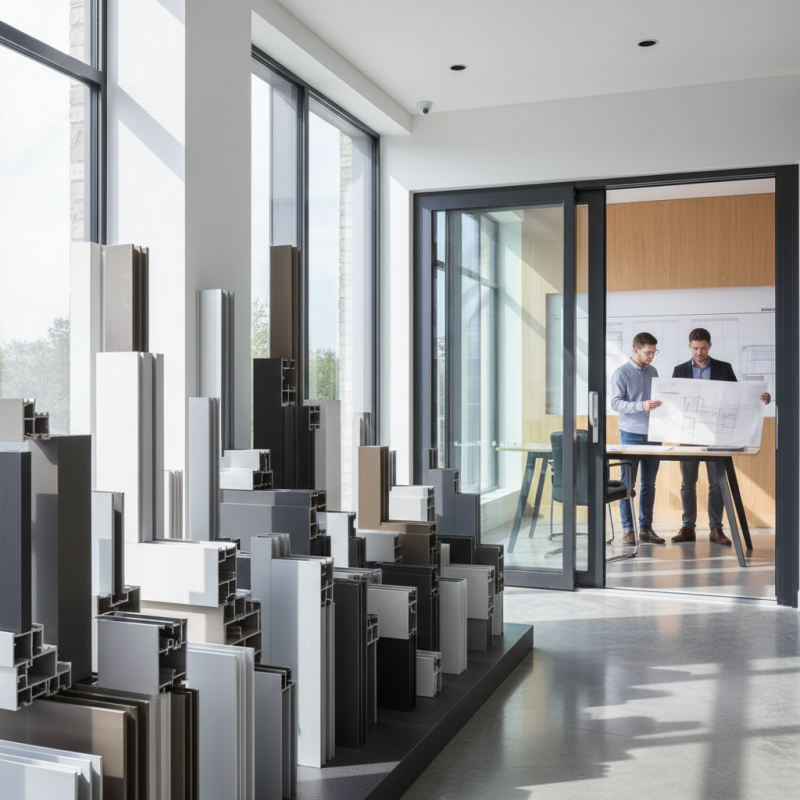
How to Choose Aluminium Sections for Doors and Windows?

Types of Aluminium Sections for Doors and Windows

When it comes to choosing aluminium sections for doors and windows, understanding the different types is crucial. Aluminium can provide various advantages, including durability, energy efficiency, and aesthetic appeal. There are two main types of aluminium sections: extruded and rolled. Each has unique characteristics that affect their functionality.

Extruded aluminium sections are produced by forcing molten aluminium through a shaped opening. This process creates a variety of configurations, allowing for custom designs. These sections are generally stronger and more suitable for structural applications. On the other hand, rolled aluminium sections are created by rolling sheets of aluminium into desired shapes. They tend to be lighter and are often used for non-load-bearing applications in residential settings.

Another important factor is the thickness of the sections. Thicker sections provide enhanced insulation and support but can also be heavier and more expensive. It's critical to consider the specific requirements of your project. Reflecting on these factors can help avoid mistakes like choosing an unsuitable section for the weight or aesthetic of your door or window.

Key Specifications to Consider When Choosing Aluminium Sections

Choosing the right aluminium sections for doors and windows requires careful consideration of key specifications. One major factor is the thickness of the aluminium. Thicker sections often provide better insulation and durability, helping keep homes energy-efficient. Look for profiles that resist warping and bending over time.


Another important specification is the thermal performance. Some aluminium sections come with thermal breaks. These breaks improve insulation, reducing energy costs. Proper insulation helps maintain a comfortable indoor environment. Additionally, consider the strength of the material. Stronger profiles can withstand harsh weather conditions.


Surface treatment is also crucial. Powder coating provides better resistance to corrosion and fading. The finish affects both aesthetics and longevity. Moreover, check local regulations regarding safety standards. This ensures your choice aligns with building codes. Each factor plays a role in making the right decision for your doors and windows. It’s essential to weigh these specifications carefully.

Advantages of Using Aluminium in Door and Window Frames

Choosing the right material for door and window frames is crucial. Aluminium stands out due to its numerous advantages. It is strong and durable, handling heavy loads without bending. This makes it ideal for large windows and doors. Unlike wood, aluminium does not warp or shrink, which is essential in fluctuating weather conditions.

Aluminium frames offer excellent thermal performance. They can be fitted with thermal breaks to improve insulation. This leads to energy savings, as homes remain cooler in summer and warmer in winter. Additionally, aluminium is low-maintenance. A simple wipe down with soap and water keeps it looking fresh. This means less time and money spent on upkeep.

One downside is the initial cost, as aluminium can be pricier than other materials. However, the longevity often justifies this investment. Homeowners should also consider the aesthetic options available. Aluminium frames can be customized in various colors and finishes, enhancing the overall look of any home.

How to Choose Aluminium Sections for Doors and Windows? - Advantages of Using Aluminium in Door and Window Frames

Dimension Aluminium Section Type Advantages Applications
Profile Width Standard Section Durability and Low Maintenance Residential and Commercial Doors
Thickness Thermal Break Section Energy Efficiency High-Performance Windows
Height Custom Section Design Flexibility Commercial Buildings
Finish Type Anodized Section Corrosion Resistance Exterior Applications

Factors Influencing the Selection of Aluminium Sections

When selecting aluminium sections for doors and windows, several factors come into play. The thickness of the aluminium is crucial. Thicker sections often provide better insulation and durability. However, they can also add weight and complexity to the installation process. It's essential to balance these aspects based on your specific needs and local climate conditions.

Another important factor is the design. Aluminium sections come in various shapes and styles. Consider how these designs will complement the overall aesthetics of your space. Compatibility with existing architecture is vital. Think about whether the sections will fit well with your home's visual identity or if they will look out of place.

Additionally, energy efficiency should not be overlooked. Aluminium tends to conduct heat, which can lead to higher energy bills. Look for sections with thermal breaks. These features help improve insulation. It's easy to focus solely on appearance, but efficiency impacts long-term costs. Rethink your priorities. Choose wisely, and ensure you invest in quality aluminium sections that align with your expectations and environment.

Installation and Maintenance Tips for Aluminium Door and Window Sections

When installing aluminium door and window sections, careful attention is essential. Proper measurement ensures a snug fit. Ensure the frame is square. This prevents issues later on. Poor installation can lead to drafts or water leaks.

Maintenance for aluminium sections is straightforward. Regular cleaning helps maintain appearance and function. Use a mild detergent and soft cloth. Avoid abrasive materials. They can scratch the surface. Silicone sealant should be checked regularly. Reapply if needed to prevent moisture damage.

Here are some tips to enhance longevity:

  • Lubricate hinges and tracks periodically. This prevents wear and tear.
  • Monitor for signs of corrosion. Early detection can save time and costs.
  • Don’t neglect the seals. They are crucial for energy efficiency.

Reflect on the installation process. Did you consider all factors? Take your time. Rushing often leads to mistakes. A small oversight now can create significant problems later.

Get in touch

Our goal is to provide you with excellent customer service while meeting all of your packaging automation needs. We provide the peace of mind that comes from working with one manufacturer, one service department and one point of contact.