2025 How to Choose the Best Stick Pack Filling Machine for Your Business
In the rapidly evolving packaging industry, choosing the right stick pack filling machine has become a pivotal decision for businesses aiming to enhance operational efficiency and meet consumer demands. According to a recent report by Smithers Pira, the flexible packaging market is projected to reach $300 billion by 2025, driven by the increasing popularity of single-serve products. This growth underscores the importance of investing in advanced packaging technology, particularly stick pack filling machines, which offer versatility and precision in filling various products from powders to liquids.
Industry expert Dr. Jason L. Roberts, a leading authority in packaging machinery, emphasizes, "Selecting the appropriate stick pack filling machine can significantly influence production speed and cost-efficiency, making it a crucial investment for any business looking to stay competitive." As businesses explore automation and sustainability, understanding the features and capabilities of different stick pack filling machines is essential for optimizing production lines and delivering high-quality products that meet market demands. By carefully assessing their unique requirements, companies can make informed decisions that not only enhance productivity but also solidify their position in the marketplace.
Understanding Stick Pack Filling Machines and Their Applications
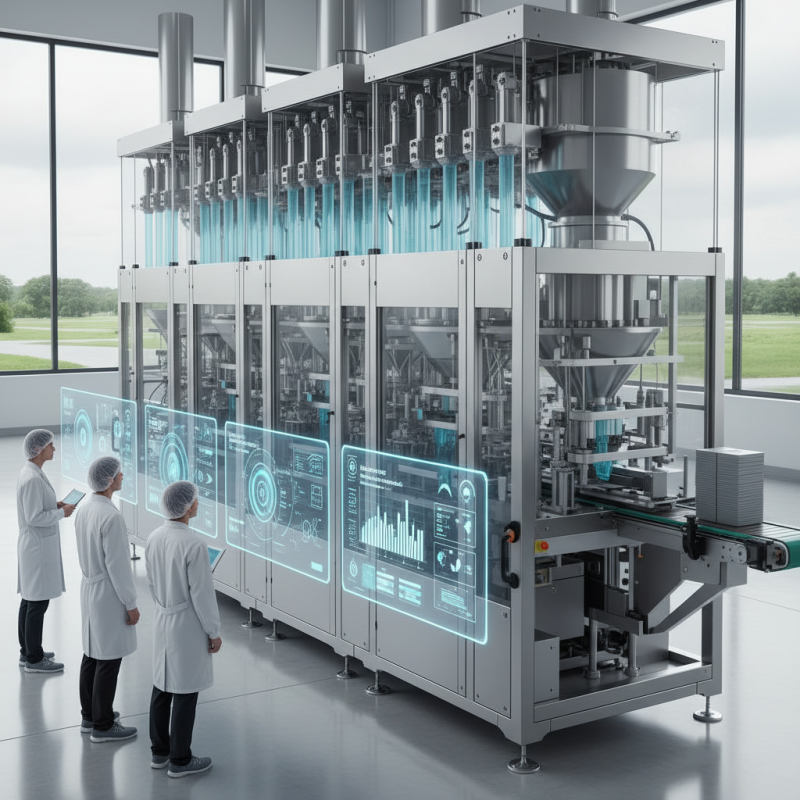
Stick pack filling machines are crucial in various industries, including food, pharmaceuticals, and cosmetics. These machines are designed to efficiently package products into stick-shaped sachets that are easy to transport and consume. According to recent market research, the global stick pack packaging market is projected to reach approximately $27 billion by 2025, demonstrating a compound annual growth rate (CAGR) of over 5.5%. This growth is primarily driven by the increasing demand for convenient packaging solutions and the rise of on-the-go consumption patterns among consumers.
Understanding the applications of stick pack filling machines is essential for businesses looking to invest in this technology. In the food industry, stick packs are commonly used for single-serving portions of snacks, coffee, tea, and condiments, allowing for greater portion control and waste reduction. In the pharmaceutical sector, these machines offer a way to package powdered medicines, supplements, and other health products in a user-friendly format. A study conducted by Smithers Pira indicates that the demand for flexible packaging, including stick packs, is expected to grow significantly, as consumers favor portable and easy-to-use products. As such, choosing the right stick pack filling machine can not only improve operational efficiency but also enhance customer satisfaction by meeting the growing expectations for convenience and quality.
Key Features to Consider When Selecting a Stick Pack Filling Machine
When selecting a stick pack filling machine for your business, several key features should be taken into account to ensure that the equipment meets your production needs. One of the most important aspects is the machine's speed and efficiency. The filling speed can significantly impact your overall productivity; thus, choosing a machine that offers adjustable speeds and quick setup times can help streamline your operations. Additionally, consider the machine's capacity, as it should align with your production volume to avoid bottlenecks or excessive downtime.
Another critical factor is the versatility of the machine. A good stick pack filling machine should easily accommodate various products, including powders, granules, and liquids. This flexibility allows businesses to expand their product lines without the need for additional machinery. Moreover, the ease of cleaning and maintenance is essential in maintaining hygiene standards and optimizing operational efficiency. Look for machines with simple disassembly features, as this can save time and labor costs during maintenance tasks. Ensuring that the machine aligns with industry standards for safety and food-grade certifications is also vital to sustain compliance and quality assurance in your production process.
Evaluating Production Capacity and Speed for Your Business Needs
When selecting the best stick pack filling machine for your business, evaluating production capacity and speed is critical to meet your operational needs. According to a recent report by Grand View Research, the stick pack market is projected to reach $5.02 billion by 2025, with a compound annual growth rate (CAGR) of 4.5%. This growth indicates that businesses must adopt efficient filling solutions to optimize their production lines. An ideal stick pack filling machine should be capable of handling high-speed operations, often exceeding 100 packs per minute, depending on the product and packaging material.
Moreover, your choice of machine should align with your production capacity requirements. For instance, if your business anticipates a demand of 500,000 units per month, investing in a machine with a production speed of 120 packs per minute will allow for efficient output while maintaining flexibility for future growth. Studies suggest that automation can enhance efficiency by approximately 30%, underscoring the importance of integrating technology that not only addresses current demands but also scales with your business. Prioritizing a machine with adjustable speed settings can also accommodate varying product sizes and pack configurations, ensuring that your production process remains agile and responsive to market fluctuations.
2025 How to Choose the Best Stick Pack Filling Machine for Your Business - Evaluating Production Capacity and Speed for Your Business Needs
| Machine Model |
Filling Speed (packs/min) |
Production Capacity (packs/hour) |
Filling Volume Range (ml) |
Power Requirement (kW) |
Dimensions (L x W x H) |
| Model A |
120 |
7200 |
50 - 200 |
2.5 |
1500 x 800 x 2000 mm |
| Model B |
150 |
9000 |
30 - 150 |
3.0 |
1600 x 900 x 2100 mm |
| Model C |
100 |
6000 |
20 - 100 |
2.0 |
1400 x 700 x 1900 mm |
| Model D |
80 |
4800 |
10 - 80 |
1.5 |
1300 x 600 x 1800 mm |
Assessing Budget and Return on Investment for Filling Machines
When considering the purchase of a stick pack filling machine, one of the crucial factors to evaluate is the budget alongside the expected return on investment (ROI). Begin by establishing a clear financial plan that outlines the initial costs involved in purchasing and installing the machine, as well as ongoing expenses such as maintenance, labor, and materials. This detailed budget will provide a framework for understanding how much you can realistically allocate for the equipment without compromising other operational needs.
Once the budget is set, projecting the potential ROI becomes essential. This involves analyzing how the filling machine can enhance production efficiency, reduce labor costs, and improve overall product quality. It’s helpful to estimate the increase in output and sales that the new machine can facilitate, compared to the costs it incurs. Conducting a break-even analysis will also aid in determining how quickly the investment will pay off. Ultimately, by meticulously assessing both the budget and anticipated ROI, businesses can make informed decisions that align with their financial goals while optimizing production capabilities.
Tips for Choosing a Reliable Manufacturer and After-Sales Support
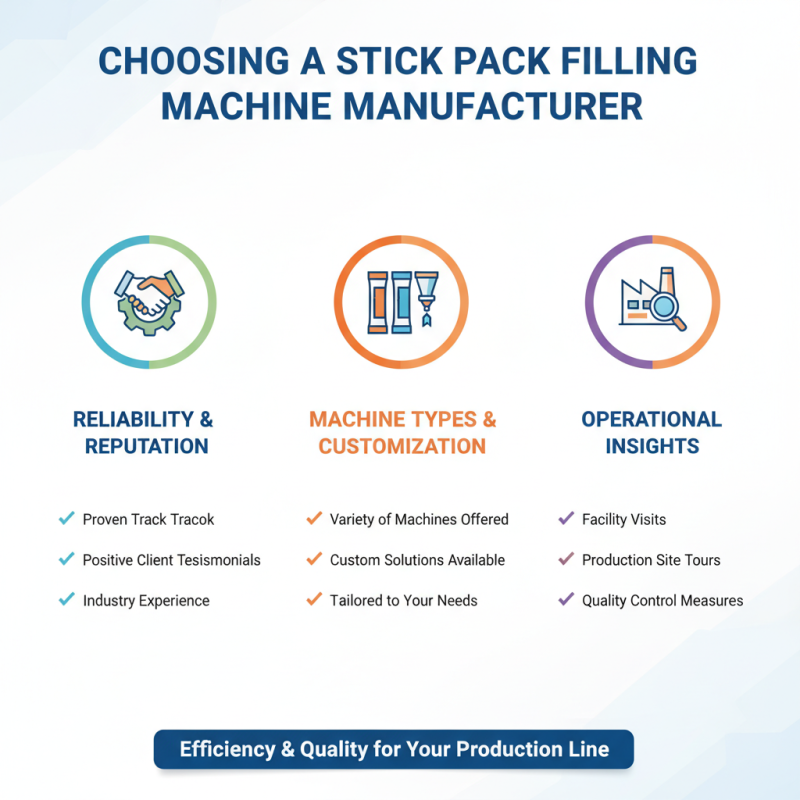
When selecting a stick pack filling machine for your business, partnering with a reliable manufacturer is crucial for ensuring efficiency and quality in your production line. A reputable manufacturer should have a proven track record and positive testimonials from previous clients, which can be pivotal in determining their reliability. It’s advisable to research their experience in the industry, the types of machines they offer, and their ability to customize solutions according to your specific needs. Furthermore, visiting their facility or production site can provide valuable insights into their operational processes and quality control measures.
After-sales support is another critical factor to consider. A machine is an investment, and ongoing support can significantly influence its lifespan and performance. Look for manufacturers that provide comprehensive training, maintenance services, and readily available technical assistance. Good after-sales support includes accessible customer service, timely spare parts supply, and an effective warranty policy. Ensuring that the manufacturer prioritizes long-term client relationships can lead to improved operational efficiency for your business and help you quickly overcome any challenges that may arise post-purchase.
 English
 Français
 Español
 Deutsch