BLOG

How to Choose the Best Bag Sealing Machine for Your Needs

In today's fast-paced production environment, selecting the right bag sealing machine can significantly influence both operational efficiency and product integrity. According to a report by MarketsandMarkets, the global bag sealing machine market is projected to reach USD 3.78 billion by 2026, growing at a CAGR of 5.2% from 2021. This growth highlights the increasing demand across various industries, including food packaging, pharmaceuticals, and consumer goods, where effective sealing solutions are paramount for quality control and freshness retention.

Industry expert John Smith, a leading analyst in packaging technology, emphasizes the importance of selecting suitable sealing machinery, stating, "The right bag sealing machine not only enhances production efficiency but also plays a crucial role in ensuring product safety and extending shelf life." Understanding the specific needs of a business is essential when choosing a sealing machine, whether for high-volume production or specialized applications, as different machines offer unique features and capabilities.

When it comes to choosing a bag sealing machine, considerations such as sealing method, material compatibility, and ease of use must be carefully evaluated. This decision-making process is vital for businesses looking to optimize their packaging operations and meet market demands while ensuring sustainability and compliance with industry standards.

How to Choose the Best Bag Sealing Machine for Your Needs

Understanding the Different Types of Bag Sealing Machines

When selecting a bag sealing machine, it's essential to understand the various types available in the market, as each type is designed to meet specific needs based on the material, size, and sealing method. The primary categories of bag sealing machines include:

Heat sealers are commonly used for plastic bags and are ideal for high-volume production, whereas impulse sealers use a simple trigger mechanism that activates only when sealing, making them perfect for batch processing.

Vacuum sealers are designed to remove air from bags before sealing, significantly extending the shelf life of perishable products. This technology is increasingly utilized in both commercial and residential settings, with market analysts indicating that the vacuum packaging segment could reach $5.12 billion by 2025.

Lastly, band sealers are suitable for continuous sealing on production lines, making them highly efficient for businesses with large output needs.

Understanding the differences among these types enables businesses to select the most appropriate bag sealing machine that aligns with their operational requirements and product preservation goals.
Key Features to Consider When Choosing a Bag Sealing Machine

How to Choose the Best Bag Sealing Machine for Your Needs

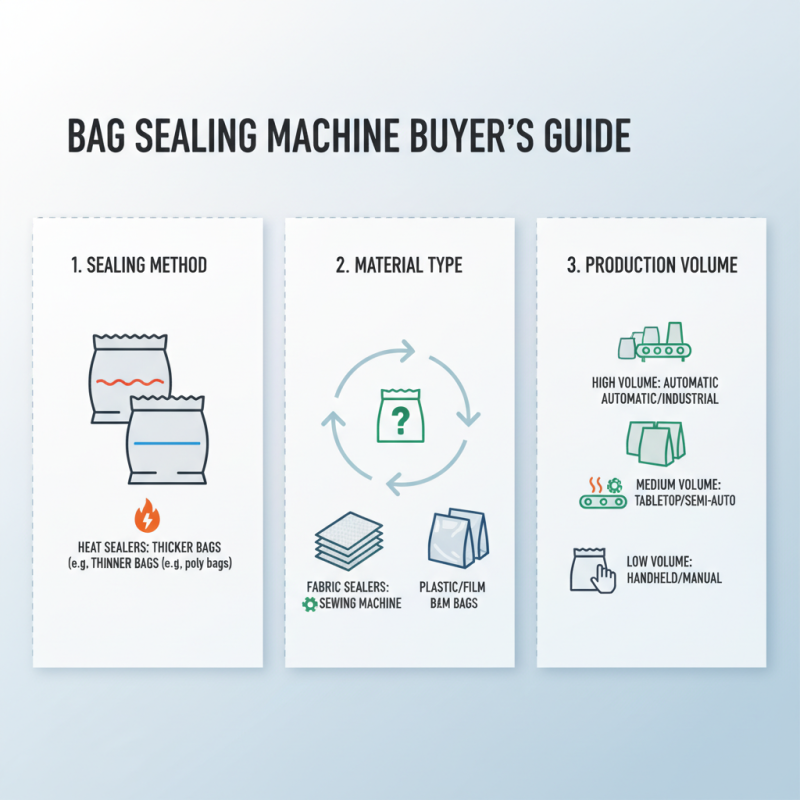
When choosing the best bag sealing machine for your needs, it's essential to focus on key features that will enhance usability and efficiency. First, consider the machine's sealing method. Options range from heat sealers to impulse sealers, each suited for different types of materials. Heat sealers are ideal for thicker bags, while impulse sealers are better for thinner ones. Understanding the materials you'll be working with will guide you in selecting the right sealing method.

Another important feature to examine is the machine's sealing width. A wider sealing width typically provides a stronger seal, which is crucial for items that require long-term storage. If your products vary in size, look for machines with adjustable sealing widths to accommodate different bag sizes. Also, consider the speed of the machine—the faster the process, the more efficient your operations will be.

Tips for choosing the right bag sealing machine include evaluating the warranty and customer support options available. A good warranty can save you money on repairs or replacements, while responsive customer support can assist you in troubleshooting any issues you encounter. Furthermore, it's wise to read user reviews to gauge the reliability and performance of the machine you are considering, ensuring it aligns with your business needs.

Assessing Your Packaging Volume and Production Needs

When selecting the best bag sealing machine, one of the critical considerations is your packaging volume and production needs. According to the Packaging Machinery Manufacturers Institute (PMMI), companies must evaluate their production rates and product types to determine the appropriate sealing technology. For businesses with low to moderate production demands, a simple, manual or semi-automatic sealing machine may suffice, allowing for flexibility and lower initial investment. However, as production volume increases, the necessity for higher-speed, automated sealing equipment becomes evident. Research indicates that transitioning to fully automatic systems can enhance production efficiency by up to 50%, reducing labor costs and minimizing human error.

Furthermore, assessing the specific types of bags and materials being used is essential, as different sealing machines are designed for various applications. The flexible packaging market is expected to grow at a compound annual growth rate (CAGR) of 4.2% from 2022 to 2028, according to a report by Fortune Business Insights. This growth highlights the importance of investing in adaptable sealing machines that can handle multiple types of materials, ensuring your production remains competitive. By evaluating your packaging volume and understanding the specific requirements of your products, you can select a bag sealing machine that not only meets your current needs but also adapts to future growth and changes in the industry.

Evaluating Budget and Cost-Effectiveness of Sealing Machines

How to Choose the Best Bag Sealing Machine for Your Needs

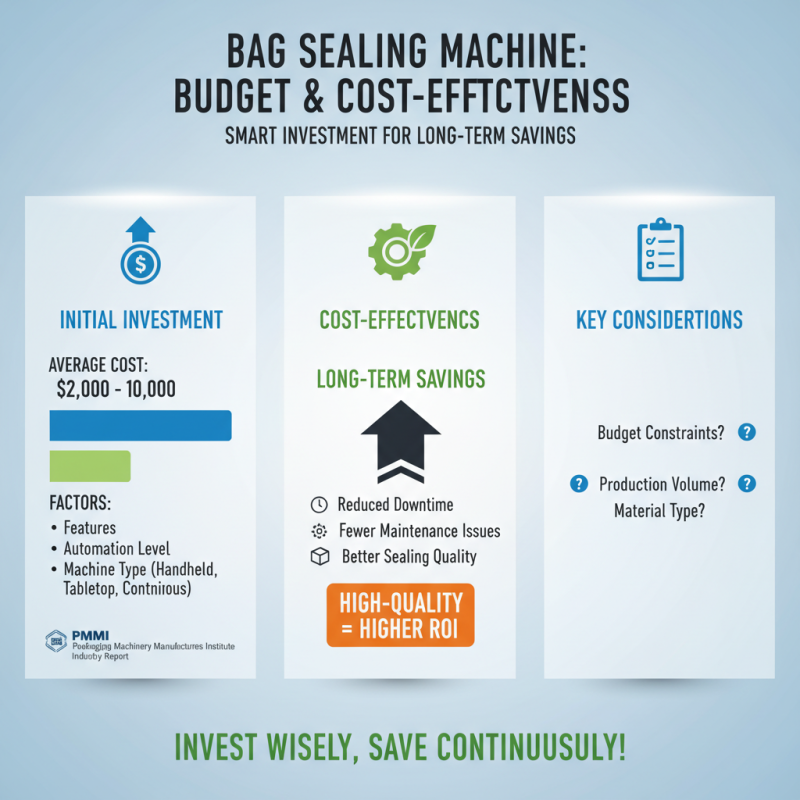
When evaluating the budget and cost-effectiveness of bag sealing machines, it is essential to consider various factors that impact overall operational costs. According to a recent industry report by the Packaging Machinery Manufacturers Institute (PMMI), the average cost of a bag sealing machine ranges from $2,000 to $10,000, depending on features and automation levels. Budget constraints should guide your choice, but it's important to recognize that investing in a more expensive, high-quality machine may lead to significant long-term savings due to reduced downtime, fewer maintenance issues, and better sealing quality.

Moreover, calculating the return on investment (ROI) of a sealing machine is crucial. A detailed analysis can help businesses determine how a specific machine contributes to increased productivity and efficiency. For instance, a study published in the Journal of Packaging Technology found that companies that upgraded to automated sealing solutions experienced a 25% increase in production speed along with a reduction in material waste by up to 15%. Such improvements not only enhance profit margins but also reduce operational costs over time, making it vital to evaluate the total cost of ownership rather than just the initial purchase price.

Maintenance and Support Options for Bag Sealing Equipment

When selecting a bag sealing machine, it's crucial not only to consider its features and capabilities but also the maintenance and support options available. Regular maintenance ensures the longevity and efficiency of the equipment. Opt for machines that come with straightforward maintenance guidelines to make it easier to keep them in optimal condition. Look for features such as easy-access parts and built-in diagnostic tools that can help identify issues before they become major problems. Additionally, a machine with a good warranty can provide peace of mind, covering any unexpected repairs or replacements within a certain period.

Support options are equally important when choosing a bag sealing machine. Reliable customer service can significantly impact your operational efficiency. Evaluate the availability of technical support, including access to experts who can assist with troubleshooting or repairs. Many manufacturers offer online resources such as user manuals, video tutorials, and FAQs, which can be invaluable for quick reference. Furthermore, consider if the manufacturer provides training for your staff on proper machine usage and maintenance, ensuring that they can maximize the machine's performance and minimize downtime.

Bag Sealing Machine Maintenance Frequency

Get in touch

Our goal is to provide you with excellent customer service while meeting all of your packaging automation needs. We provide the peace of mind that comes from working with one manufacturer, one service department and one point of contact.