China Top 10 Ceremonial Matcha Suppliers for Global Buyers
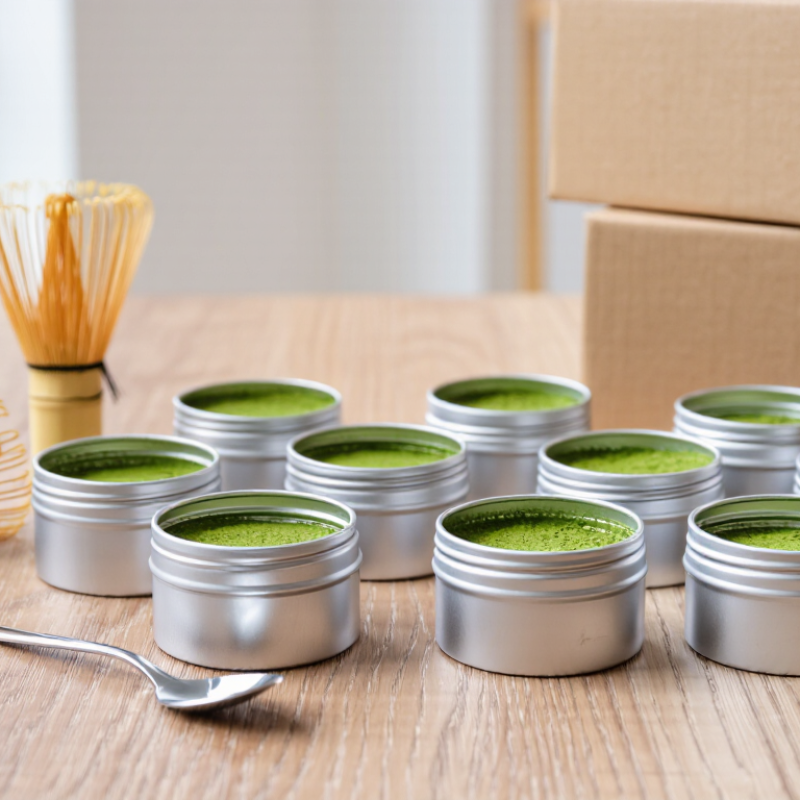
For global buyers, choosing Ceremonial Matcha is more than comparing prices or attractive packaging. The supplier affects freshness, flavor, traceability, and delivery consistency. A vivid green powder in a sample tin means little if the next shipment tastes flat.
Sen no Rikyū, the influential Japanese tea master, is commonly credited with this reminder: “Tea is simply boiling water, preparing tea, and drinking it.” The wording varies across translations, but the principle still matters. Good matcha should reward careful sourcing and preparation, not rely on grand claims. Simple, but demanding.
This guide examines ten suppliers through practical buyer considerations: origin information, harvest and milling details, product specifications, sample availability, packaging, and export support. Look for clear answers about cultivar, production region, batch consistency, and storage conditions. Ask how the powder is protected from light, heat, and moisture during shipping. These details can matter after the sample has been whisked and the commercial order arrives.
Supplier rankings are useful, not final verdicts. A strong fit for a café may not suit a private-label brand or a specialty retailer. No list is perfect. Some supplier details change, and published claims still deserve verification. Request current documentation and test samples under your own preparation conditions before committing. The aim is not to crown one universal winner, but to help buyers compare options with sharper questions and fewer surprises.
Understanding Ceremonial Matcha and Its Quality Standards
Ceremonial matcha is finely milled green tea intended for drinking with water, rather than mainly for cooking. Yet “ceremonial” does not describe one globally enforced grade. Buyers should examine the tea itself and ask how it was grown, processed, stored, and tested. A reliable supplier can explain harvest timing, leaf handling, origin, and batch traceability without relying on the label alone.
Look for a vivid, even green powder with a fresh, grassy aroma. When whisked, good matcha should form a fine foam and taste balanced, with gentle sweetness, savory depth, and some bitterness. Color matters. A dull brown cast, stale hay smell, or coarse texture may signal age, oxidation, or poor storage, though appearance alone cannot prove quality. Request a recent sample and compare it in plain water; milk and sweeteners can hide flaws. Also ask for relevant food-safety and contaminant testing, and check whether documents match the specific lot.
Tips: Confirm the harvest and packing dates, plus sealed, light-protective packaging. Store opened powder tightly closed in a cool, dry place and use it promptly. Sensory judgments vary, and I would not treat a single “ceremonial” claim as a quality guarantee.
How to Evaluate Chinese Matcha Suppliers for Global Buyers
Evaluating Chinese matcha suppliers starts with traceable details, not polished product photos. Ask where the tea was grown, when it was harvested, and how it was processed. A reliable supplier should explain these points clearly and provide recent batch documents, such as a certificate of analysis. Check that the document matches the lot you plan to buy. Ask for sample packaging, too. A bright green powder can look appealing, but color alone does not prove freshness or quality.
Taste matters. Prepare samples with the same water temperature and whisking method. Note aroma, bitterness, texture, and how the flavor holds in milk or other intended recipes. Request clear specifications for particle size, moisture, packaging, and storage life. Ask how the supplier controls batch consistency. Claims about testing or certifications should be supported by current records, not just a website statement. Ask for proof.
Commercial checks matter as much as the cup. Confirm minimum order quantities, production lead times, shipping terms, and how complaints are handled. Request a small trial order before committing to larger volumes. Compare answers in writing; vague replies can create costly surprises. I would not assume every supplier has perfect records. Some documents may need clarification, and that is worth discussing before payment. Look for a supplier willing to address gaps and explain what can be verified for each shipment.
Profiles of China’s Top 10 Ceremonial Matcha Suppliers
Profiles of China’s leading ceremonial matcha suppliers should show more than export capacity. A useful ten-profile shortlist includes four supplier types: shaded-leaf growers with traceable gardens; processors controlling steaming and drying; stone-mill specialists offering fine, even powder; and vertically integrated producers managing cultivation through packing. Details matter.
China’s National Bureau of Statistics reported 3.54 million tonnes of tea production in 2023, but this broad figure does not measure matcha output. Buyers should ask each supplier for matcha-specific production records, not infer capacity from national tea volumes.
The other six profiles may include organic-focused growers, export-oriented factories, small-batch makers, bulk ingredient suppliers, private-label packers, and firms with established quality-control laboratories. These are capability profiles, not a verified ranking of individual companies. China’s national standard GB/T 34778-2017 provides a reference for matcha terminology and quality evaluation. Still, a standard alone cannot prove that a particular lot meets a buyer’s sensory needs.
Request the harvest date, garden location, processing details, and a lot-specific certificate of analysis. Check color, aroma, particle size, and taste with a sample prepared using the buyer’s own water and whisk.
A vivid green powder can look convincing in a photograph. It tells little by itself.
Supplier profiles should distinguish documented facts from sales claims, especially when origin, shade-growing, or milling methods remain unclear.
Comparing Supplier Quality, Certifications, and Export Capabilities
Comparing China’s ceremonial matcha suppliers takes more than tasting a bright-green sample. Ask for harvest and milling details, lot-level traceability, and recent laboratory reports. A fine powder should feel soft between the fingers and whisk smoothly, with a fresh, vegetal aroma. Color is only a clue. Ask for records.
Certifications can indicate established food-safety systems, but check the certificate’s scope, issuing body, and validity directly. Depending on your market, relevant documentation may include HACCP or ISO 22000 systems and verified organic certification. Request test results for pesticide residues, heavy metals, and microbiological limits for the specific lot—not just a general company brochure. Standards and import requirements vary by destination, so confirm them with your own compliance team.
Export capability shows in practical details: consistent batch specifications, clear packing dates, accurate shipping documents, and packaging that limits light, air, and moisture. Ask how samples compare with production lots and how quality complaints are handled. Samples can mislead. A small pouch may taste excellent, while a larger shipment exposes uneven color or flavor. I would treat that gap as a real risk, not a minor inconvenience.
China Top 10 Ceremonial Matcha Suppliers for Global Buyers — Comparing Supplier Quality, Certifications, and Export Capabilities
This chart presents an indicative buyer-evaluation framework, not verified scores or a ranking of individual suppliers. Assess product quality and traceability, food-safety certifications, export experience, documentation, and supply consistency using current evidence from each supplier.
Key Considerations for Importing Matcha from China
Importing ceremonial matcha from China takes more than comparing prices. Define your requirements before requesting quotes: intended use, color, aroma, particle fineness, and pack size. Ask suppliers to identify the growing area, harvest period, milling method, and lot code. Request recent test reports for pesticide residues, heavy metals, microbiological limits, and moisture. Confirm that testing methods and limits meet the rules of your destination market. Keep a sealed reference sample.
Tips: Check that packaging blocks light and moisture. Ask how finished goods are stored and shipped. Review samples from more than one production lot; one attractive sample proves little.
A vivid green color can be useful, but it is not proof of freshness or quality. Compare aroma, texture, and taste against agreed specifications. Set acceptance criteria in writing, including defect handling and batch traceability. Verify shipping documents and product descriptions before dispatch, and confirm current import requirements with the relevant authorities or a qualified customs professional. Even careful checks leave room for error. A missed lot-code detail can complicate a claim later.

 English
 Français
 Español
 Deutsch