BLOG

China Best Bag Sealing Machine Manufacturer for Global Buyers

Choosing the right bag sealing machine is not just a matter of comparing prices. A dependable unit should create consistent seals, suit the bag material, and match the required production speed. For global buyers, the manufacturer matters too. Clear specifications, practical testing, and responsive support can prevent costly surprises after delivery.

China has a broad packaging equipment industry, but “best” depends on the buyer’s product and workflow. A small food workshop may need a compact tabletop sealer, while a busy factory may require continuous operation and adjustable temperature controls. Seal width, conveyor speed, bag thickness, and available power all deserve attention. Small details matter. A sample bag can reveal wrinkles, weak edges, or heat damage that a brochure will not show.

This guide explores what to look for in a China-based bag sealing machine manufacturer, from equipment options and quality checks to customization and after-sales communication. Buyers should ask how machines are tested, what spare parts are available, and whether operating instructions are clear. Photos and factory claims help, but they are not proof by themselves. Requesting test results or a live demonstration is a sensible step. There is no perfect supplier for every project, and even careful checks may leave unanswered questions. That deserves a second look. With realistic requirements and direct questions, global buyers can compare manufacturers more confidently and choose equipment that fits daily production, not just a sales pitch.
China Best Bag Sealing Machine Manufacturer for Global Buyers

What Bag Sealing Machines Do and Where They Are Used

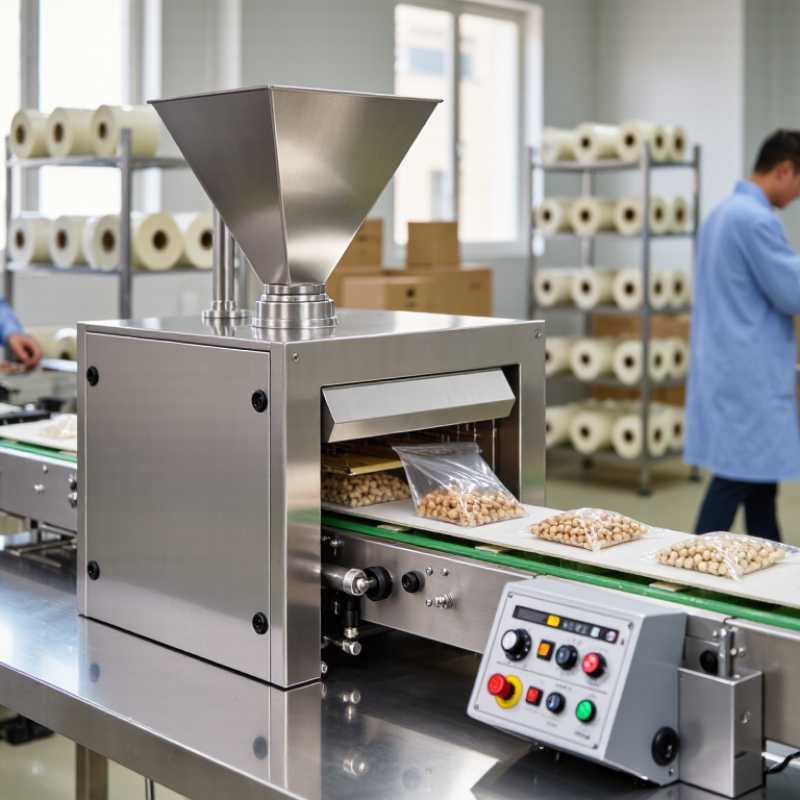
A bag sealing machine closes filled bags by applying heat, pressure, or both. Some models use continuous heated belts for steady production; others seal one bag at a time with a hand-operated bar. The finished seam helps limit spills, dust, and exposure to air, but it is not automatically airtight or tamper-proof. That depends on the machine, bag structure, and settings.

These machines appear in food packing rooms, farms, workshops, and distribution centers. They seal pouches of coffee, dried goods, seeds, detergents, or small hardware parts. A compact impulse sealer may suit a shop handling short runs. A conveyor-style unit can fit a line where operators feed bags at a regular pace. Bag material matters: a setting that seals one film cleanly may melt or wrinkle another. Small details count.

Operators usually check seal width, temperature, pressure, and dwell time. They may also inspect a sample bag after startup or a material change. A crooked seam can look acceptable from a distance. It may still open during handling. In practice, the fastest setting is not always the best one. Testing a few filled bags under real working conditions gives a clearer picture, though it takes extra time.

How to Assess a Chinese Manufacturer’s Product Range

A broad product range is not proof of a capable manufacturer. Global buyers should check whether the machines match their bag materials, production volume, and working conditions. Ask which models handle polyethylene, laminated film, or thicker pouches. Keep it specific. A supplier should explain the limits of each model, not just list its features.

Compare machine formats, such as hand-operated sealers, continuous band sealers, and automated packaging lines. For each option, request sealing width, temperature range, operating speed, and power requirements. Then ask for a sample run using your own bag material. Watch the seal edge closely. Wrinkles, gaps, or uneven pressure can reveal problems that a product sheet may not show. A high speed figure alone tells little if it applies only to a narrow film or ideal conditions.

The product range should also include practical choices for different workflows, such as conveyor direction, date coding, or integration with existing equipment. Check whether spare heating elements and clear maintenance instructions are available. One point is easy to overlook: too many similar models can make selection harder. I would still verify specifications against a real test, because catalog details may not reflect a buyer’s exact setup. This takes time.

What Manufacturing Quality and Customization Capabilities Matter

China Best Bag Sealing Machine Manufacturer for Global Buyers

What Manufacturing Quality and Customization Capabilities Matter

When comparing bag sealing machine manufacturers in China, look beyond polished brochures. Ask how each unit is inspected before shipment. A reliable process may include checks for sealing temperature, pressure, conveyor speed, and emergency stops. Request records, not just assurances. Details matter.

Sealing quality should be tested with your actual bag material and thickness. Test real bags. Ask for sample runs using filled or empty bags, depending on your process. Inspect seal width, appearance, and consistency across repeated cycles. A few good samples are useful, but longer runs can reveal drift. That part is easy to overlook.

Customization is valuable when it solves a defined production problem. Useful options may include adjustable guides, different conveyor heights, date-coding integration, or controls suited to your operators. Confirm which changes affect lead time, maintenance, and spare-part availability. Ask for drawings and a clear acceptance checklist before production. Not every request improves the line. Sometimes a simpler configuration is easier to clean and keep stable. Discuss changeover time, operator training, and troubleshooting support with the engineering team. If a requirement is still uncertain, say so early; otherwise, a custom feature can become an expensive guess.

Bag Sealing Machine Selection: Quality and Customization Priorities

A suggested buyer evaluation framework for comparing manufacturing quality evidence and machine flexibility. The percentages are planning weights, not industry survey results.

Prioritize seal integrity and temperature control, then verify performance with the intended packaging material, bag format, and production speed. Request documented test results and confirm changeover requirements before comparing suppliers. Adjust these suggested weights to suit your product and operating risks.

Which Certifications and Export Services Global Buyers Need

For global buyers, a bag sealing machine’s certificates should match its destination and exact configuration. Ask for current documents, not just a logo on a brochure. CE documentation may be relevant for European markets, while electrical safety and electromagnetic compatibility requirements vary by country. A quality management certificate can indicate controlled processes, but it does not automatically approve a machine for sale. Check model numbers, issuing bodies, and expiry dates. Small details matter.

Export support is practical, not decorative. A reliable supplier should prepare a commercial invoice, packing list, and shipping details, then confirm the agreed delivery terms and who handles customs clearance. Ask whether the machine’s manual, wiring diagrams, and spare-parts list will be provided in your language. Wooden packaging may need treatment and marking under destination rules. Confirm this before shipment. Delays are expensive.

After-sales service deserves equal attention. Buyers should clarify remote troubleshooting, replacement-part availability, installation guidance, and response times before paying a deposit. Request photos or a live video test using your bag material and sealing width. It is easy to overlook this step. I have seen specifications look complete on paper, yet leave basic questions unanswered. Recheck the voltage, plug type, and production rate in writing.

China Best Bag Sealing Machine Manufacturer for Global Buyers - Which Certifications and Export Services Global Buyers Need
Requirement or service What it covers When buyers may need it What to request or verify
CE conformity for the European Economic Area Shows that the machine has been assessed against applicable EU requirements. Depending on the equipment, these may include machinery, electrical safety, and electromagnetic compatibility requirements. When placing a machine on the EEA market, where the relevant legislation requires CE marking. Request the EU Declaration of Conformity, operating instructions, and supporting technical information. Check that the documents identify the supplied machine model and applicable legislation.
UKCA conformity A UK conformity marking used for products covered by applicable Great Britain product regulations. Requirements and accepted routes depend on the product and current rules. When supplying equipment to Great Britain and the applicable rules require or specify this route. Confirm the current requirements for the machine type and market. Request the relevant declaration and technical documentation; do not assume that one marking automatically covers every market.
Electrical safety and machine risk assessment Standards such as IEC 60204-1 address electrical equipment of machinery; ISO 12100 provides principles for machinery risk assessment and risk reduction. Standards are not, by themselves, product certificates. When assessing machine safety, preparing a conformity file, or meeting a buyer’s technical specification. Ask which standards and editions were applied, and request relevant test records, risk assessment information, and safety instructions where available.
Electrical approval for the United States or Canada Depending on the machine and installation, local electrical codes, workplace rules, or the authority having jurisdiction may call for evaluation by a nationally recognized testing laboratory or another accepted approval route. When required by the destination market, end user, insurer, or installation authority. Confirm requirements before ordering. Check the exact machine configuration and electrical components against the approval scope; do not treat a component certificate as approval of the complete machine.
ISO 9001 quality management certification Certifies a quality management system within a stated scope; it does not certify that every machine is compliant or defect-free. When buyers use supplier quality systems as part of vendor qualification or procurement controls. Verify the certificate’s validity, scope, covered site, and certification body. Review machine-specific inspection and acceptance records separately.
Commercial invoice and packing list The invoice states transaction and customs-value details; the packing list describes package contents, quantities, and shipping weights and dimensions. For most international shipments and customs-clearance processes. Check that product descriptions, quantities, values, package counts, weights, and consignee details are consistent across documents.
Transport document and certificate of origin A bill of lading or air waybill records shipment details. A certificate of origin may support customs procedures or a preferential tariff claim when applicable. According to the transport mode, destination-country rules, and the buyer’s customs requirements. Agree who arranges each document and verify origin information and shipment details. A certificate of origin does not itself guarantee a reduced tariff.
HS classification and customs data The Harmonized System provides internationally standardized product headings, with additional digits and classification rules set by national customs authorities. When preparing import declarations, estimating duties, or arranging customs clearance. Ask for the proposed classification and a precise technical description. The importer or customs broker should confirm the final destination-country code.
Wood packaging compliance ISPM 15 sets international phytosanitary measures for many types of wood packaging used in international trade. It does not generally apply to packaging made wholly from processed wood products such as plywood. When the shipment uses regulated solid-wood pallets, crates, or dunnage and the destination applies the measure. Specify compliant wood packaging where required and confirm that applicable marks are present and legible before dispatch.
Shipping terms, insurance, and delivery planning Incoterms® rules allocate certain delivery tasks, costs, and risks between seller and buyer. Cargo insurance and transport arrangements depend on the agreed contract and selected rule. When comparing quotations and assigning export, freight, insurance, and import responsibilities. Name the chosen rule and precise delivery place in the contract. Confirm freight scope, insurance responsibility, estimated lead time, and who handles destination customs clearance.
Commissioning, training, and after-sales support These are commercial services rather than universal export certificates. They can include installation guidance, operator training, spare-parts support, and troubleshooting. When the buyer needs support to install, operate, maintain, or service the machine at the destination site. Define service language, delivery format, response times, warranty terms, spare-parts availability, and whether on-site support is included or separately priced.

Note: Applicable certification, marking, customs, and packaging requirements depend on the machine configuration, destination, and intended use. Buyers should confirm current requirements with the relevant authorities or qualified advisers before shipment.

How to Compare Suppliers and Choose the Right Partner

China Best Bag Sealing Machine Manufacturer for Global Buyers
How to Compare Suppliers and Choose the Right Partner

Choosing a bag sealing machine supplier means checking more than quoted speed and price. Ask for a live test using your actual bag material, product, and fill weight. Watch the seal area closely: wrinkles, powder, or uneven pressure can cause weak seals. Request cycle-time results, changeover steps, and maintenance requirements in writing. A polished demonstration is useful, but it may not reflect a busy production line.

Market demand makes careful comparison more important. Grand View Research valued the global packaging machinery market at USD 52.83 billion in 2023 and projected 5.3% annual growth from 2024 to 2030. This broad category is not limited to bag sealers, but it signals ongoing investment. Compare suppliers on documented testing, spare-parts availability, operator training, and response times. Ask how they handle faults remotely and which parts need regular replacement. One limitation: a detailed quotation cannot guarantee reliable service after installation.

Tips: Bring sample bags to the factory acceptance test. Record sealing temperature, pressure, speed, and reject rate. Ask for a written service plan and spare-parts list. Then compare total operating costs, not just the machine price.

Get in touch

Our goal is to provide you with excellent customer service while meeting all of your packaging automation needs. We provide the peace of mind that comes from working with one manufacturer, one service department and one point of contact.