How to Buy Purple Yam Powder in 2026
Buying Purple Yam Powder in 2026 takes more than choosing the brightest pouch or the lowest price. Powder sold as ube may vary in plant source, processing, color, flavor, and intended use. A vivid purple shade can look appealing, but it does not prove quality or tell you how the powder will taste in a cake, latte, or smoothie. Details matter.
This guide explains how to compare products using practical checks rather than marketing claims alone. Look for a clear ingredient list, the botanical or common name, country of origin, lot identification, and storage instructions. When available, review supplier specifications or a recent certificate of analysis, and check whether testing covers relevant quality and safety measures. Also consider packaging: a sealed, moisture-resistant pouch can help protect powder from damp air and light after opening. Not every label is clear.
Your best choice depends on what you plan to make. A finely milled powder may blend more smoothly into drinks, while flavor and color can vary between brands and batches. Read customer feedback carefully, but treat dramatic claims with caution and compare them with product details. I would not assume that “natural” or “premium” means consistent. That is an easy mistake. This introduction sets up a careful buying process for home cooks, bakers, and small food businesses. It cannot replace supplier verification, but it can help you ask better questions before ordering.
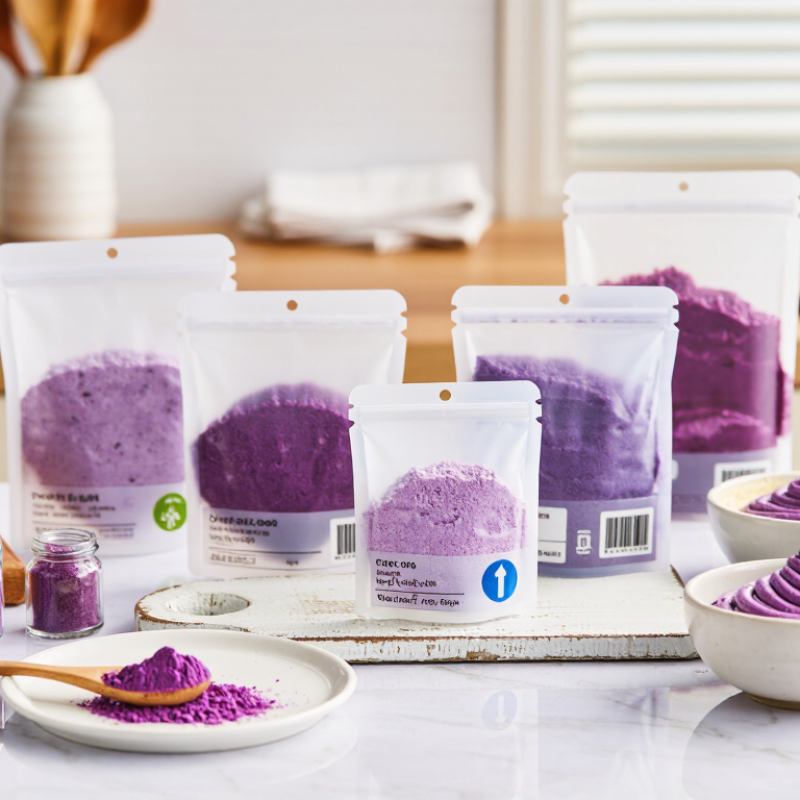
Identify the Type of Purple Yam Powder You Need
How to Buy Purple Yam Powder in 2026
Identify the Type of Purple Yam Powder You Need
Start by checking which plant the powder comes from. Ube is commonly identified as Dioscorea alata, while purple sweet potato comes from a different plant. They may look similar in a product photo, but their flavor and cooking behavior can differ. Color can mislead. Look for the botanical name or ask the seller to confirm the source.
Then decide whether you need a single-ingredient powder, a cooked or instant powder, or a blend. Pure powder may suit baking, drinks, and recipes where you want to control sweetness. Instant versions may dissolve more easily, but can include added sugar, starch, or flavoring. Read the ingredient list closely. I would not assume “purple yam powder” means one standard product; the label can leave useful details unclear. That is easy to overlook.
Match the powder to its job. For a latte, ask about solubility and whether it needs cooking. For dough or cake, check the suggested use and how the powder affects moisture. Request a small sample before ordering a large quantity, and ask for the product specification sheet. It should identify ingredients, processing details, and basic quality checks. A vivid violet color alone is not evidence of purity. Verify the source and intended use before buying.
How to Buy Purple Yam Powder in 2026: Identify the Type You Need
Compare common product types by intended use. Ratings are a qualitative buying guide, not laboratory measurements; recipes and formulations vary by product.
Buying tip: Choose 100% purple yam powder when you want control over sweetness and ingredients. Sweetened dessert or drink mixes are more convenient, but check the ingredient list for added sugar, dairy, or flavorings.
Compare Ingredients, Processing Methods, and Product Forms
When buying purple yam powder in 2026, begin with the ingredient panel, not the color. A single-ingredient product should list purple yam, often identified as Dioscorea alata, without added sugar, starch, or flavoring. For baking, that simplicity makes sweetness and texture easier to control. If the label says “drink mix,” expect more ingredients.
Processing changes flavor and performance. Freeze-dried powder may retain a brighter color and delicate aroma, while heat-dried powder can taste more cooked. Methods vary, and labels rarely explain every temperature or drying step. Look for clear processing details, country of origin, lot coding, and a best-before date. A vivid purple shade is not proof of purity; natural batches can differ.
Choose form by use. Fine powder blends smoothly into smoothies and pancake batter; coarser powder may leave tiny flecks in yogurt. Sweetened instant blends suit quick drinks, but they are less flexible for recipes. Check package size, resealable closure, and storage directions; humidity can turn powder lumpy. I still find it easy to overvalue color. A small trial pouch is often wiser than a large tub, though it may cost more per ounce.
Check Supplier Reliability, Testing, and Certification
When buying purple yam powder in 2026, verify the supplier before comparing prices. Ask for the botanical name, Dioscorea alata, harvest region, processing site, and lot-level traceability. Request a recent certificate of analysis (COA) tied to the exact batch, not a generic sample. Check moisture, microbial counts, heavy metals, pesticide residues, and color against written limits. Review test methods, detection limits, laboratory identity, and the lab’s ISO/IEC 17025 accreditation scope. Paperwork matters.
WHO’s 2015 report, Estimates of the Global Burden of Foodborne Diseases, estimated 600 million foodborne illnesses and 420,000 deaths annually. Those figures underline why controls must be verifiable. Confirm that any food-safety certification covers the actual powder facility and product, then check its validity with the certifying body. Review audit dates, corrective-action records, recall procedures, and how rejected lots are separated. For a small trial, compare the delivered powder’s aroma, fine texture, and purple hue with the approved sample; keep a sealed reference. Color can vary naturally. I’d still question unusually uniform results: they may reflect processing differences, not better quality. A little doubt helps.
Review Labels, Pricing, and Shipping Terms
When buying purple yam powder in 2026, read the label before comparing prices. Check whether the ingredient list names purple yam alone or includes sweeteners, starches, or flavorings. The exact source and processing method may not be clear, so contact the seller if those details matter to you. Look for a lot number, net weight, storage instructions, and a best-before date. A bright color is not proof of quality. Packaging can also affect freshness; a sealed, moisture-resistant pouch is more practical than a loose bag.
Compare the cost per 100 grams, not just the price shown on the page. A larger pack may cost less per serving, but only if you can use it before its quality declines. Check serving suggestions carefully: a teaspoon and a tablespoon create very different price comparisons. Shipping can change the total quickly. Review delivery estimates, shipping fees, tracking availability, and what happens if a parcel arrives damaged. International delivery may also take longer than the estimate, so avoid ordering close to a planned recipe or event.
Tips: Save a screenshot of the product details and checkout total. Read return terms before paying, especially for food products, where opened items may not qualify for a refund. If the listing feels vague, pause. I might still miss a small fee or unclear phrase on a crowded checkout page, so review the final total slowly before confirming.
Choose a Suitable Quantity and Store It Properly
When buying purple yam powder, match the pack size to your actual recipes. If you use a spoonful for smoothies or baking once a week, start with a small pouch rather than a bulk bag. A practical planning window is two to three months after opening; it is not a guaranteed shelf life. USDA’s FoodKeeper guidance gives white flour a pantry quality window of about six to eight months, but purple yam powder is not the same product. Treat that figure as context, not a promise.
Keep the powder tightly sealed in its original pouch or a clean, airtight container. Store it in a cool, dry cupboard, away from sunlight, the stove, and steam from the kettle. Moisture can cause clumps and weaken quality. Use a dry spoon, and write the opening date on the container. Small details matter.
Check the package for a best-before date and follow its storage instructions. If the powder smells stale, looks damp, or has changed noticeably in color, do not use it. A larger bag may cost less per gram, but only if you can protect it and use it in time. I would rather accept a slightly higher unit price than leave half a pouch forgotten behind the rice. USDA’s FoodKeeper is a useful reference for general pantry foods, not a product-specific guarantee.

 English
 Français
 Español
 Deutsch