
BLOG

What Is a Bulk Sack and What Is It Used For?

A Bulk Sack is a large, flexible container designed to store and transport dry, flowable materials. It is also called an FIBC, or Flexible Intermediate Bulk Container. Common products include grain, animal feed, cement, mineral powders, plastic pellets, and agricultural ingredients. A standard sack may hold 500 to 2,000 kilograms, depending on its fabric, lifting loops, filling design, and discharge system.

The market is substantial.

Grand View Research reported that the global FIBC market was valued at approximately USD 6 billion in 2023. Its analysis also projects continued growth through 2030, supported by demand from food, construction, agriculture, and chemical manufacturing. Market estimates differ between research firms. That difference deserves attention. Definitions, regions, and product categories are not always identical.

A Bulk Sack reduces handling steps and can replace many smaller bags. Picture a woven polypropylene container lifted by four reinforced loops, then emptied through a bottom spout into a hopper. This design can save warehouse space and support cleaner material transfer. However, performance depends on more than capacity. The sack must match the product’s weight, flow behavior, moisture sensitivity, and filling method.

ISO 21898 provides specifications for flexible intermediate bulk containers. Professional manufacturers also test seam strength, fabric quality, lifting safety, and discharge performance. The Flexible Intermediate Bulk Container Association emphasizes correct handling, inspection, and training. These details matter. A poorly selected sack may tear, deform, or release material during movement. In practice, reliable Bulk Sack selection combines supplier experience, documented testing, and clear operating procedures. It is not merely a packaging purchase.
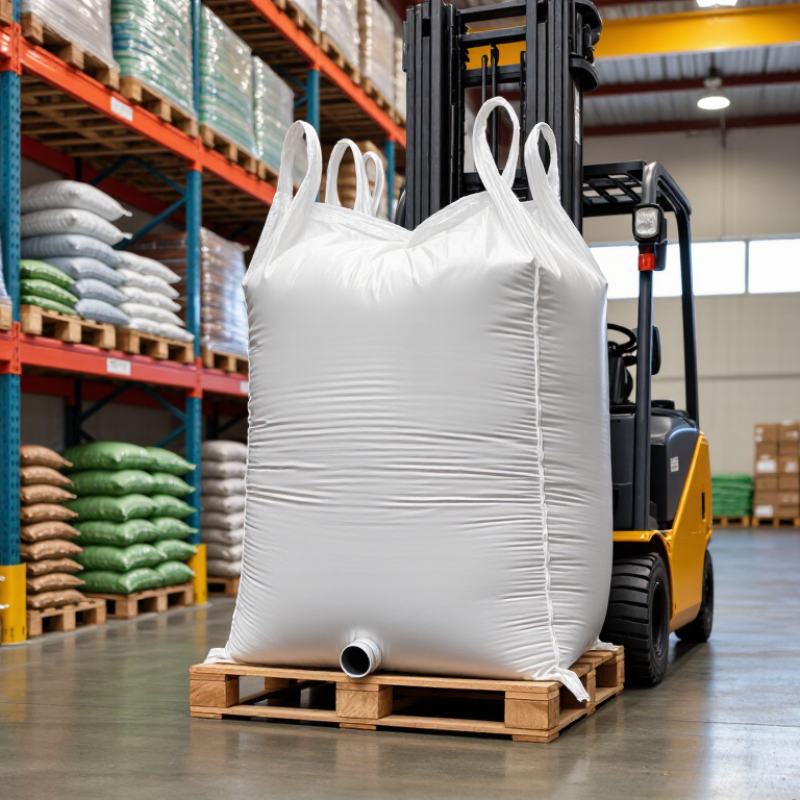
What Is a Bulk Sack and What Is It Used For?

Definition and Basic Features of a Bulk Sack

A bulk sack is a large, flexible container designed to hold and move dry, flowable materials. It is also called a flexible intermediate bulk container, or FIBC. Most bulk sacks use woven polypropylene fabric, which combines low weight with useful tensile strength. Their capacity commonly ranges from 500 to 2,000 kilograms, although the exact limit depends on the design.

The basic structure includes a body, lifting loops, an inlet, and an outlet. Some sacks have a protective liner for moisture control or fine powders. Lifting loops allow forklifts, cranes, or filling frames to handle the sack safely. The outlet may use a tied closure or discharge spout.

Small design choices matter. A narrow spout can reduce dust, but it may slow unloading.

Bulk sacks are used for materials such as grain, seeds, mineral powders, plastic pellets, and construction compounds. Their square shape helps warehouses use vertical space efficiently. They also reduce the need for many smaller bags. In practical handling, users must check the safe working load, stitching quality, fabric condition, and storage environment. A damaged loop is not a minor problem. It can affect the entire lifting process.

The word “bulk” can be misleading. Not every sack suits every material. Moisture, sharp particles, static electricity, and filling speed may require different features. A sack can look strong yet perform poorly when overloaded or stored outdoors. Careful selection remains essential.

Materials and Construction of Bulk Sacks

What Is a Bulk Sack and What Is It Used For?

Materials and Construction of Bulk Sacks

Bulk sacks are flexible containers made mainly from woven polypropylene tapes. These tapes form a strong, breathable fabric grid. Strength starts here. The material handles powders, granules, and many dry industrial goods during storage or transport. Coatings can improve resistance to moisture, dust, or ultraviolet exposure. An inner polyethylene liner adds another barrier when the contents need extra protection. It must breathe in some applications.

Construction depends on the filling and discharge method. A sack may include four lifting loops, corner loops, or reinforced straps. These parts connect the container to lifting equipment and spread the load across the upper fabric. The base may use a flat bottom, discharge spout, or fully open design. Closures at the top help control dust and prevent material loss. Stitching is equally important. Dense, even seams reduce stress around handles and corners.

In practical inspections, I look for loose threads, uneven stitching, damaged loops, and worn coating. These small defects can become serious under a heavy load. A liner can also shift during filling, which may affect discharge. No design is perfect. Choosing the right fabric weight, liner type, seam pattern, and lifting structure requires attention to the product and handling conditions. Clear labeling should identify safe working limits, filling instructions, and storage requirements. Details matter.

How Bulk Sacks Are Filled, Lifted, Stored, and Transported

What Is a Bulk Sack and What Is It Used For?

How Bulk Sacks Are Filled, Lifted, Stored, and Transported

A bulk sack is a flexible container for moving dry, flowable materials. It commonly holds powders, granules, seeds, minerals, and construction materials. Its fabric body is strong, but safe handling still depends on correct procedures.

Filling starts with a stable sack and a properly connected inlet spout. The sack should stand upright, with its lifting loops positioned correctly. Operators should fill it gradually and avoid sudden surges. Even distribution prevents bulging and reduces stress on the seams. Fine powders may need dust-control equipment. Static-sensitive materials also require suitable grounding measures. Small details matter.

Lifting requires a compatible forklift frame or approved lifting points. Never lift a sack by one loop or drag it across the floor. Keep people away from suspended loads. The rated capacity must guide every movement. During storage, place sacks on a clean, dry surface away from sharp edges and direct sunlight. Stacking needs a stable pattern and regular checks for distortion. Transport vehicles should keep sacks upright and secure them against sliding. A tidy loading plan can still fail when moisture enters through damaged packaging. Inspecting the sack before filling, after lifting, and before shipment is practical, though often overlooked.

Typical Bulk Sack Capacity by Application

Bulk sacks, also called flexible intermediate bulk containers (FIBCs), are commonly used to package and transport dry, flowable materials such as powders, granules, minerals, agricultural products, and construction materials. The capacities shown are typical nominal load ranges; the actual safe working load depends on the sack design, lifting configuration, material density, and certified safety factor.

Common Uses Across Different Industries

Bulk sacks, also called FIBCs, are flexible containers designed for dry bulk materials.

They commonly carry powders, granules, flakes, and agricultural products. A standard sack can hold hundreds or thousands of kilograms, depending on its construction and lifting loops. Grand View Research’s FIBC market report projects continued growth through 2030, driven by packaging demand in food, chemicals, construction, and agriculture. The figure matters, but handling conditions matter more.

In agriculture, bulk sacks hold seeds, animal feed, fertilizer, and harvested grains. Their wide openings allow filling with conveyors, while discharge spouts control unloading. Food processors use certified sacks for flour, sugar, starch, and powdered ingredients. Chemical plants select specialized fabrics and liners for moisture-sensitive powders. Construction sites move cement, sand, and mineral additives in fewer units than small bags. The International Organization for Standardization’s ISO 21898 standard covers testing and performance requirements for these flexible containers. Still, a compliant sack can fail when overloaded or dragged across rough concrete.

Tips: Check the safe working load before filling. Inspect seams, loops, and the liner. Keep the sack dry and upright. Use approved lifting points. Do not guess.

The United Nations Environment Programme has reported that packaging efficiency can reduce transport-related material use, but reuse requires controlled inspection. This is where practice becomes less tidy. A sack used for fertilizer may not suit food ingredients, even after cleaning. Cross-contamination, dust buildup, and humidity can quietly create costly problems. Choose the fabric, coating, liner, and discharge design for the actual material, not merely the lowest purchase price.

Safety, Handling, and Selection Considerations

A bulk sack, often called a flexible intermediate bulk container, stores and transports dry materials such as grain, powders, pellets, and mineral products. Its woven fabric body can hold hundreds or thousands of kilograms. The right design depends on the material, filling method, and discharge process.

Safety begins with the rated safe working load. Never exceed it. Inspect the fabric, lifting loops, seams, and base before every use. Small cuts can become serious failures during lifting. Keep the sack upright and centered on the forks or lifting frame. Do not stand beneath a suspended load. Keep the storage floor dry, level, and free from sharp edges. Static control also matters when handling fine powders. A grounded system may be necessary in areas where dust can accumulate.

Handling errors are often practical, not dramatic. A worker may drag a sack across concrete, or lift it with damaged loops. These shortcuts weaken the container. I have learned that a sack can look clean while its stitching is already tired. Selection should consider material density, moisture sensitivity, UV exposure, liner requirements, and filling speed. Food, pharmaceutical, or hazardous environments may require specific construction and documented testing. The checklist helps, but it cannot replace trained judgment. Sometimes the cheapest option is simply the wrong one. Review the supplier’s test data, site procedures, and applicable safety standards before purchase.

What Is a Bulk Sack and What Is It Used For? - Safety, Handling, and Selection Considerations

Data Dimension Typical Specification or Range Safety and Handling Considerations Selection Guidance
Definition A flexible intermediate bulk container (FIBC), commonly called a bulk sack or big bag. Designed for the controlled storage, handling, and transportation of dry, flowable materials. Confirm that the sack design is suitable for the material, filling method, discharge method, and lifting equipment.
Common Applications Powders, granules, pellets, flakes, agricultural products, minerals, chemicals, construction materials, and food ingredients. The contents must be compatible with woven polypropylene, liners, coatings, and any stitching or closure materials. Use food-contact-compliant construction where required, and select specialized designs for hazardous or moisture-sensitive products.
Typical Safe Working Load (SWL) Common commercial capacities are approximately 500–2,000 kg, depending on design and certification. Never exceed the marked SWL. The safe load includes the product and any material retained in the sack. Choose capacity based on product density, filling volume, equipment limits, and the required safety margin.
Safety Factor Frequently specified as 5:1 or 6:1, subject to the applicable design, testing, and regulatory requirements. A safety factor is not permission to exceed the rated SWL or to reuse a single-trip sack. Verify the required safety factor, test documentation, and whether the container is approved for one-way or repeated use.
Main Construction Material Woven polypropylene fabric is the most common material; polyethylene liners or fabric coatings may be added. Protect the fabric from sharp edges, excessive abrasion, heat, flames, chemicals, and prolonged ultraviolet exposure. Select uncoated fabric for breathability, coated fabric for added moisture resistance, and a liner when fine-powder containment is needed.
Typical Dimensions Common footprints are approximately 85–100 cm square, with heights often around 90–120 cm; custom sizes are available. The filled sack must remain stable on pallets, in racking, during transport, and under lifting equipment. Match dimensions to storage bays, pallet size, truck or container clearance, and the product’s bulk density.
Filling Options Open top, duffle top, conical top, filling spout, or customized inlet designs. Close the top securely after filling to prevent contamination, product loss, and exposure to moisture or dust. Use a spout for controlled, low-dust filling and a wide opening when rapid filling or bulky material is involved.
Discharge Options Flat bottom, discharge spout, conical bottom, or split-bottom designs. Support the sack before opening the discharge outlet, and control the flow to prevent sudden movement or tipping. Select a discharge design that matches the receiving hopper, conveyor, valve, or process line.
Lifting Configuration Four corner loops are common; sleeve, double-loop, and multi-loop arrangements are also used. Engage all designated lifting loops evenly unless the manufacturer specifically permits another method. Do not lift by the filling or discharge spout. Match loops to forklifts, cranes, hoists, spreader bars, or other approved handling equipment.
Inspection Before Use Check fabric, seams, loops, lifting points, labels, closures, liner condition, and visible contamination. Remove any sack with cuts, holes, damaged stitching, stretched loops, chemical deterioration, severe abrasion, or unclear capacity marking. Establish a documented inspection routine before filling, lifting, transporting, and reusing any container.
Handling Equipment Forklift forks, lifting beams, cranes, hoists, and approved FIBC handling frames may be used. Keep forks or lifting devices level, centered, and free from sharp edges. Do not drag or allow the sack to contact the ground. Confirm that the equipment capacity exceeds the filled load and that the lifting method is compatible with the loop design.
Storage Conditions Store in a clean, dry, well-ventilated area, protected from rain, ground moisture, direct sunlight, and excessive heat. Use stable stacking or approved racking. Keep personnel away from unsupported or unstable stacks. Consider UV-stabilized fabric for outdoor exposure, although covered indoor storage is generally preferred.
Electrostatic Control Type A, B, C, and D FIBCs are used for different electrostatic risk conditions. For flammable powders, vapors, or dust-risk areas, use a qualified electrostatic-control assessment and proper grounding procedures. Do not select an electrostatic type solely by appearance; verify the material, environment, and required grounding method.
Moisture and Dust Protection Options include coated fabric, polyethylene liners, sealed seams, and closable filling and discharge spouts. Moisture protection does not make every bulk sack waterproof. Inspect closures and liners before use. Use a liner or barrier construction when the product is hygroscopic, dusty, or sensitive to cross-contamination.
Food and Pharmaceutical Use Requires suitable raw materials, hygienic production, traceability, and controlled packaging components. Prevent contamination from previous contents, damaged liners, dirty handling equipment, and unsuitable storage conditions. Request applicable food-contact declarations, cleanliness requirements, liner specifications, and traceability records.
Reuse and Cleaning Some FIBCs are designed for repeated use; others are intended for single-trip applications only. Reuse only when permitted by the design and inspection program. Do not repair or clean a sack in a way that reduces its rated strength. For repeated use, define cleaning, inspection, service-life, and product-compatibility requirements in advance.
Labeling and Traceability Labels commonly identify SWL, safety factor, handling instructions, batch information, and applicable certifications. Do not use an unmarked or illegible sack when its capacity, construction, or handling limitations cannot be verified. Require clear markings and records that connect each sack or batch to its specifications and inspection history.
End-of-Life Disposal Clean polypropylene may be recyclable where suitable collection and processing facilities are available. Empty and decontaminate sacks according to the contents and local waste regulations before disposal or recycling. Separate contaminated, lined, coated, or mixed-material sacks from clean recyclable material and follow applicable environmental rules.

Article Source:

Get in touch

Our goal is to provide you with excellent customer service while meeting all of your packaging automation needs. We provide the peace of mind that comes from working with one manufacturer, one service department and one point of contact.