BLOG

Best Sachet Filling Machine for Your Needs?

In the fast-paced world of packaging, the demand for efficient and reliable sachet filling machines is at an all-time high. According to a recent market report by Packaging Machinery Insights, the global sachet filling machine market is projected to grow significantly, with a compound annual growth rate of 7.5% over the next five years. This surge highlights the increasing need for manufacturers to optimize production processes.

Industry expert Dr. Emily Hart, a leading consultant in packaging technologies, emphasizes the importance of selecting the right equipment. She states, "Choosing the appropriate sachet filling machine can dramatically influence both product quality and operational efficiency." This assertion reflects the reality that not all machines are created equal. Factors such as speed, accuracy, and versatility can vary widely.

Many businesses find themselves at a crossroads. They struggle to choose a machine that meets their specific needs. It's crucial to consider battery life, maintenance costs, and flexibility to adapt to various products. In many cases, investing in a versatile sachet filling machine may yield greater returns over time. Balancing immediate costs with long-term benefits requires careful contemplation.
Best Sachet Filling Machine for Your Needs?

Understanding Sachet Filling Machines: Types and Applications

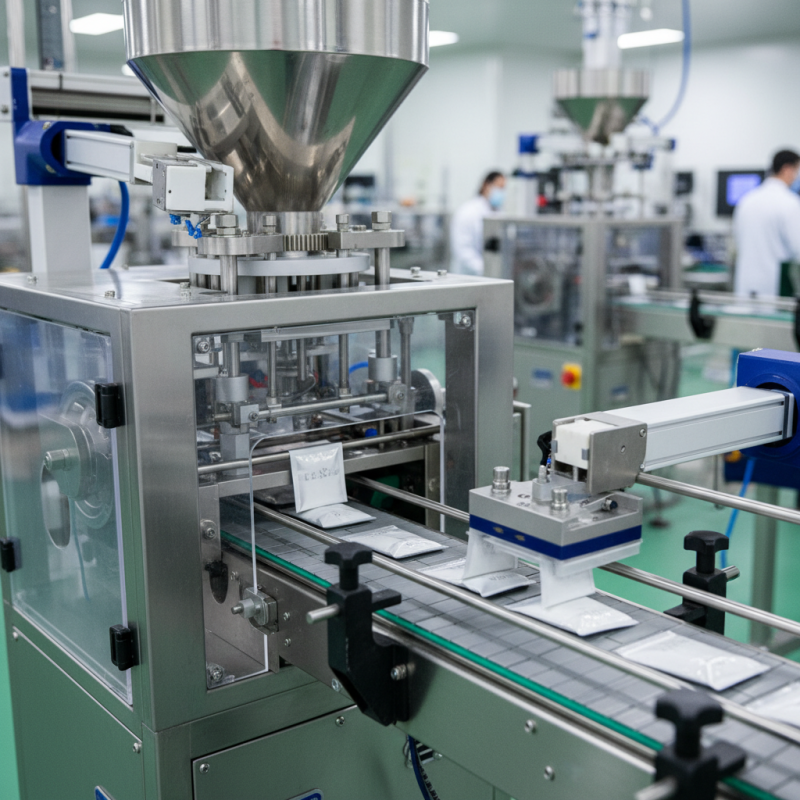
Sachet filling machines have seen significant advancements. These machines are vital in various industries, including food, pharmaceuticals, and personal care. According to a report from industry analysts, the global sachet packaging market is projected to reach $41 billion by 2027. This data reflects the growing need for efficient and versatile packaging solutions.

There are primarily three types of sachet filling machines:

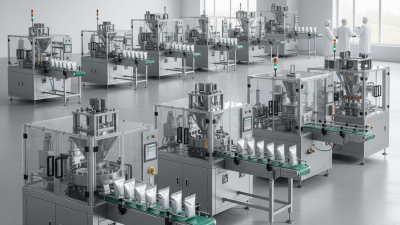
  • Vertical form fill seal (VFFS): Popular for their efficiency in handling powders and granules. They use a continuous roll of film to create pouches.
  • Horizontal form fill seal (HFFS): Often suitable for liquids and larger quantities.
  • Pre-made pouch filling machines: Offer flexibility but may have higher operational costs.

Efficiency may come at a cost. As automation increases, human oversight can diminish. This reliance on machines might lead to quality control issues. Manufacturers need to ensure consistent product quality while embracing new technology. Monitoring performance metrics is essential to identifying potential inefficiencies. Markets evolve, and machines must adapt. Familiarity with machine limitations is as crucial as understanding their strengths.
Key Factors to Consider When Selecting a Sachet Filling Machine

Best Sachet Filling Machine for Your Needs?

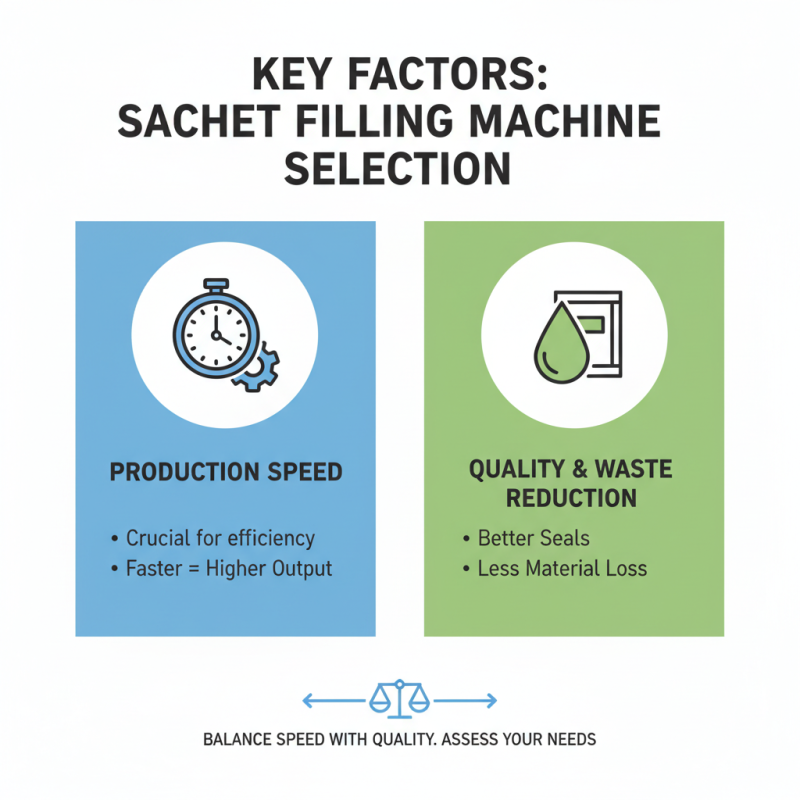
When selecting the best sachet filling machine, consider several key factors. Production speed is crucial. A faster machine can increase efficiency. However, it's essential to balance speed with quality. Slower machines may produce better seals and reduce waste. You need to assess your production needs.

Material compatibility is vital too. Different products require different machine specifications. Some machines handle powders, while others work best with liquids or granules. Check if the machine can handle your specific material. Machine size matters as well. It should fit your production area without sacrificing accessibility.

Tips: Always evaluate the ease of cleaning and maintenance. A machine that's difficult to clean can slow down production. Prioritize options with user-friendly features. Also, consider future needs. A scalable machine might cost more now but save you money later. Keeping an eye on these factors can help in making a better choice. Ultimately, choose a machine that aligns with your business goals, but be prepared to make adjustments based on performance outcomes.

Industry Insights: Efficiency and Speed Metrics in Sachet Filling

Best Sachet Filling Machine for Your Needs?

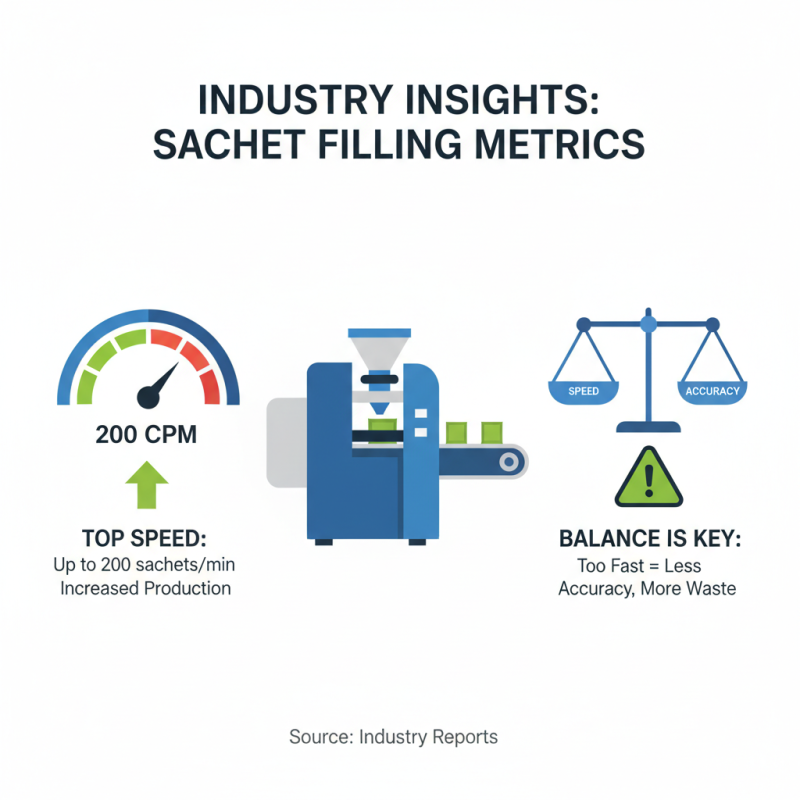
When selecting a sachet filling machine, efficiency and speed are crucial metrics to consider. According to industry reports, top-performing machines can achieve filling speeds of up to 200 sachets per minute. This level of efficiency significantly increases production rates, allowing businesses to meet growing market demands. However, many companies struggle to find the right balance between speed and accuracy. A machine operating too fast may compromise filling precision, leading to wasted product and higher costs.

Investing in advanced technology can enhance filling accuracy. Some machines utilize sensors to ensure precise measurements, reducing the risk of over or under-filling. In fact, studies indicate that machines with integrated quality control systems can reduce product waste by up to 15%. It’s important to keep in mind that the initial investment might be higher. But, the return on investment through efficiency gains and waste reduction can be substantial.

Tip: Always evaluate your production needs before purchasing a machine. Consider factors like the type of product, the required filling volume, and the level of automation desired. Additionally, ask for demo sessions with machinery vendors to see how the machines perform in real-time. Careful planning will help avoid potential regrets later.

Comparative Analysis: Top Brands and Models in Sachet Filling Machines

When exploring the world of sachet filling machines, understanding their differences is vital. These machines vary in speed, size, and application. Some are suited for small businesses, while others handle larger volumes. Look for models that offer flexibility and can manage various pouch types. This will help cater to diverse products.

Technological features also play a crucial role. Machines with advanced controls ensure precision in filling. This can reduce waste and improve efficiency. However, not all machines deliver consistent performance. Some may require frequent calibration. User reviews often highlight these issues. Checking for ease of maintenance is key. Complicated setups can cause delays and frustration.

Think about your production goals when choosing a machine. What works for one business might not suit another. Test different models to find the right fit. Don’t overlook the importance of customer support from the manufacturer. It can save time when problems arise. Each model has its pros and cons; weighing them carefully is essential.

Best Sachet Filling Machine for Your Needs? - Comparative Analysis: Top Brands and Models in Sachet Filling Machines

Model Speed (bags/min) Filling Volume (ml) Weight (kg) Power (kW) Price (USD)
Model A 40 100 200 1.5 3,500
Model B 50 150 180 2.0 4,200
Model C 30 200 220 1.8 3,800
Model D 45 120 210 2.3 4,000

Maintenance Tips for Ensuring Longevity of Sachet Filling Equipment

Maintaining sachet filling equipment is crucial for its longevity. Regular upkeep prevents breakdowns and reduces costs. Here are some tips to ensure your machine remains in top shape.

Cleaning the machine frequently is essential. Dust and residue can affect functionality. Use a soft cloth for sensitive parts. Remember to check the seals and gaskets, as they can wear out over time. Replacing them when necessary avoids leaks and maintains air pressure.

Also, schedule periodic inspections. A professional can identify issues you might overlook. Listen for odd noises during operation. They can signal a problem brewing. Adjust settings based on your output needs. This keeps the machine running smoothly, but don’t rush changes. It’s important to monitor how adjustments affect performance.

Get in touch

Our goal is to provide you with excellent customer service while meeting all of your packaging automation needs. We provide the peace of mind that comes from working with one manufacturer, one service department and one point of contact.