
 English
 Français
 Español
 Deutsch
10 Best Ceremonial Matcha Powder Suppliers for 2026
Choosing a dependable Ceremonial Matcha Powder supplier takes more than comparing bright green tins. Buyers should examine origin, harvest information, milling methods, freshness, packaging, and traceability. The label “ceremonial” is used differently across sellers; it is not a universal quality standard. Look for clear answers about how each lot is sourced and handled. Ask for recent product specifications and, where available, independent test documentation. Useful details include harvest dates, storage guidance, and whether the powder is protected from heat, light, and moisture. Small things matter. A sealed pouch and a legible lot code can tell you more than polished marketing copy.
Tea scholar Kakuzō Okakura wrote, “The art of tea is founded on the admiration of the beautiful among the sordid facts of everyday existence.” His words offer a fitting lens: quality is both craft and daily practice. This 2026 guide compares ten suppliers through practical criteria, including sourcing transparency, product consistency, packaging, and buyer support. It also recognizes that taste is personal. A matcha that suits a café’s oat-milk menu may not satisfy someone whisking a delicate bowl at home. No checklist can taste it for you. Treat rankings as a starting point, request samples when possible, and verify claims directly with suppliers. Even careful comparisons have limits; harvest variation and shipping conditions can change what arrives in the cup.
What Defines Ceremonial-Grade Matcha in 2026
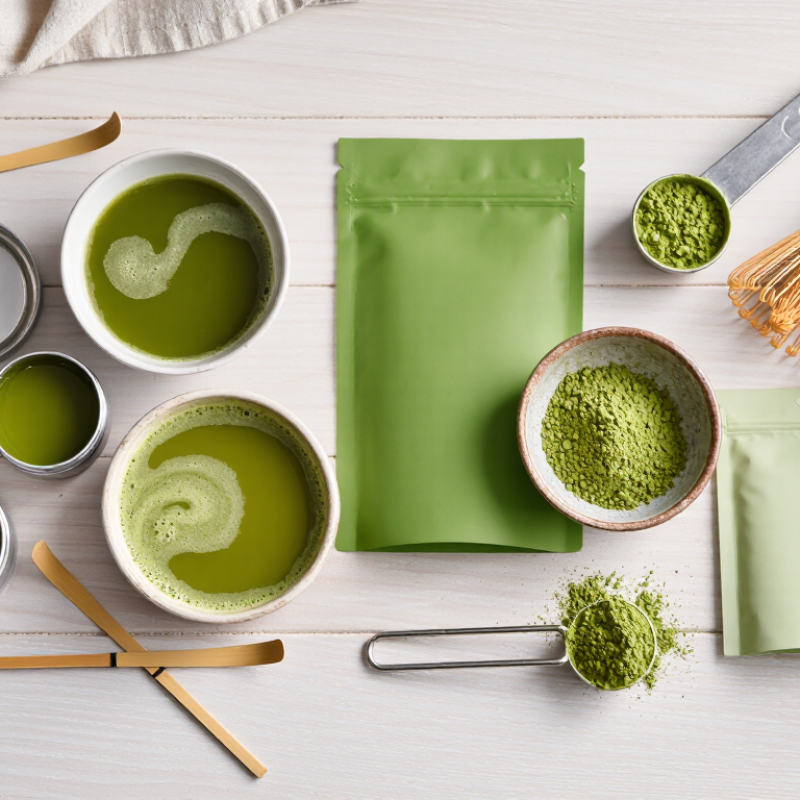
In 2026, “ceremonial grade” still has no single global definition, so the label alone proves little. Reliable suppliers can explain where the tea was grown, when it was harvested, and how it was stored. Look for vivid green powder, a clean grassy aroma, and a fine, even texture. Fresh matcha should whisk into a smooth drink with gentle sweetness and modest bitterness. No sandy finish.
Ask suppliers for harvest and milling details, plus clear storage guidance. Shade-grown leaves are commonly selected for matcha, then steamed, dried, and finely milled; careful handling helps preserve color and aroma. Packaging matters: sealed, light-blocking containers help limit exposure to air, warmth, and light. Some sellers share contaminant testing or lot information, which can support confidence, though documents should be specific and current. Prepare a small serving with warm, not boiling, water and a bamboo whisk. Notice the aroma, foam, and finish. “Ceremonial” can sound definitive, but taste remains personal, and a beautiful color cannot confirm every detail of quality. It is worth asking questions.
| No. | Supplier Profile | Japanese Origin or Supply Model | Best Fit | What to Verify | 2026 Buying Consideration |
|---|---|---|---|---|---|
| 1 | Uji-area regional specialist | Southern Kyoto Prefecture; Uji is a well-known Japanese tea-growing and tea-processing area. | Buyers seeking traceable, premium, region-specific matcha. | Exact growing area, harvest year, tencha source, and whether the powder is single-origin or blended. | “Uji” can refer to a broader regional supply chain; request the specific origin rather than relying on the regional label alone. |
| 2 | Nishio-area producer or mill | Aichi Prefecture; Nishio is a recognized matcha-producing area. | Food-service and retail buyers looking for established regional sourcing. | Whether the powder is made from tencha, milling date, lot identification, and sensory samples. | Compare samples in the intended preparation style; a powder suited to lattes may not be ideal for drinking plain. |
| 3 | Yame-area tea supplier | Fukuoka Prefecture; Yame is known for shaded tea production, including gyokuro. | Buyers exploring shaded-tea origins and distinctive regional profiles. | Confirm that the offered product is matcha made from tencha, not powdered sencha or another tea. | Ask for product-specific cultivation and processing details; regional reputation alone does not establish matcha grade. |
| 4 | Kagoshima multi-farm supplier | Kagoshima Prefecture is a major tea-producing region in Japan. | Buyers needing a broader supply base or several harvest and cultivar options. | Farm or cooperative traceability, cultivar information where available, and consistent lot specifications. | For repeat orders, request retained samples and agree on measurable lot-acceptance criteria. |
| 5 | Shizuoka regional tea supplier | Shizuoka Prefecture has a long-established tea industry and a range of tea-growing areas. | Buyers comparing regional matcha and seeking a supplier with wider tea expertise. | Confirm the matcha’s exact origin and tencha processing; not every tea-growing area specializes in matcha. | Check availability by harvest and lot, rather than assuming all regional offerings have the same profile. |
| 6 | Mie tea-region supplier | Mie Prefecture is an established tea-producing prefecture in Japan. | Buyers open to sourcing beyond the best-known matcha regions. | Matcha-specific production records, origin documentation, and a sample tested in the final recipe. | Evaluate the actual lot, not just the prefecture; cultivation and processing can vary among producers. |
| 7 | Wazuka-area small-lot supplier | Wazuka, in Kyoto Prefecture, is a tea-growing area with a strong local tea identity. | Buyers prioritizing farm or locality-level traceability and smaller lots. | Whether the specific lot is shade-grown tencha intended for matcha and how its origin is documented. | Small-lot availability can be limited; confirm reorder volumes and lead times before launch. |
| 8 | Sayama-area tea supplier | Saitama Prefecture’s Sayama area is a recognized tea-producing region. | Buyers seeking regional diversity and willing to assess a less commonly encountered matcha origin. | Matcha-specific availability, harvest information, and proof that the product is finely milled tencha. | Request a current sample and confirm commercial quantities; matcha availability may differ from general tea availability. |
| 9 | Nara tea-region supplier | Nara Prefecture has tea-growing areas and a regional tea tradition. | Buyers looking to compare less widely marketed regional lots. | Specific growing locality, tencha processing details, and independent food-safety documentation. | Treat origin as one selection factor; verify taste, freshness, and supply capacity for each product. |
| 10 | Documented multi-origin blender | A Japanese supplier blending tencha from disclosed regions or lots. | Cafés and manufacturers seeking a consistent flavor and repeatable supply. | Country and region of origin, blend-lot records, ingredient identity, and batch-level quality controls. | A blend can improve consistency, but it should not be presented as single-origin unless its sourcing supports that claim. |
| Selection note: These are anonymized regional sourcing profiles, not named or ranked companies. “Ceremonial grade” is not a universally standardized legal grade in Japan. Assess matcha by its tencha source, traceability, freshness, color, aroma, texture, taste, and suitability for drinking plain. Shade-growing practices and harvest timing vary by producer; request product-specific documentation and samples. | |||||