
What Are the Benefits of Seaweed Fertilizer for Farmers?
Seaweed Fertilizer has gained significant attention in recent years for its role in sustainable agriculture. Farmers are increasingly looking for eco-friendly alternatives to synthetic fertilizers. The use of seaweed fertilizer is one such option that stands out. It offers a variety of benefits, enriching the soil and improving crop health.
Farmers appreciate the natural nutrients found in seaweed fertilizer. It is rich in potassium, nitrogen, and trace minerals, which are vital for plant growth. This organic option aids in soil structure, enhancing water retention and nutrient availability. Moreover, it encourages beneficial microbial activity in the soil. However, it's crucial for farmers to understand that the effects of seaweed fertilizer can vary based on soil type and local conditions.
While seaweed fertilizer provides numerous advantages, some farmers may encounter challenges. For instance, the cost of sourcing quality seaweed can be high. Additionally, the application process requires some experimentation to achieve optimal results. By recognizing both the benefits and limitations, farmers can make informed decisions about incorporating seaweed fertilizer into their agricultural practices.
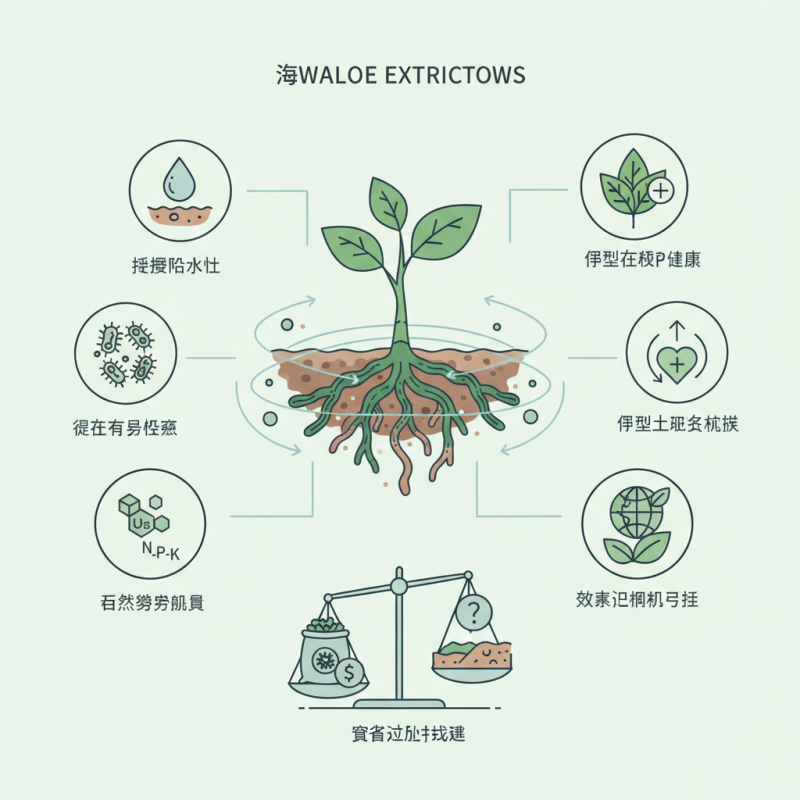
Benefits of Seaweed Fertilizer for Soil Health Improvement
Seaweed fertilizer has gained attention for its role in improving soil health. Its natural composition enriches the soil with essential nutrients. Seaweed is rich in nitrogen, phosphorus, and potassium, vital for plant growth. This organic material also boosts the microbial activity in the soil. Healthy microbes contribute to nutrient cycling and enhance soil structure.
Additionally, seaweed fertilizer improves soil moisture retention. This ability is particularly beneficial in drought-prone areas. By holding more water, it reduces the need for frequent watering. However, farmers should be aware that the effectiveness can vary based on soil types and conditions. Some results may not be as dramatic, depending on specific environmental factors.
Moreover, applying seaweed fertilizer can increase the availability of micronutrients. It can help in the recovery of soils depleted by conventional farming methods. Nonetheless, over-reliance on any single type of fertilizer can lead to imbalances. Therefore, a thoughtful approach to soil amendments is crucial. Evaluating and adjusting based on soil health assessments can help ensure optimal application.
Benefits of Seaweed Fertilizer for Soil Health Improvement
Enhancing Crop Nutrient Uptake with Seaweed Fertilizer
Seaweed fertilizer offers unique advantages for farmers, particularly in enhancing crop nutrient uptake. Seaweeds are rich in essential nutrients like potassium, nitrogen, and phosphorus. These elements play a critical role in plant growth and overall health. When applied, seaweed fertilizer helps to improve soil structure. It increases water retention, allowing crops to access moisture more efficiently.
Farmers often notice enhanced root development in their plants after using seaweed fertilizer. Stronger roots can absorb nutrients more effectively, leading to robust growth. Studies have indicated that seaweed can stimulate microbial activity in the soil. This increased activity creates a living ecosystem that allows for better nutrient availability.
However, not all seaweed fertilizers are the same. Farmers should engage with local agricultural experts to choose the right type. Some seaweeds may be more beneficial than others, depending on the crop type and soil conditions. While benefits are clear, farmers must test and reflect on their specific needs. This approach ensures the most effective use of seaweed in their farming practices.
Seaweed Fertilizer's Role in Pest and Disease Resistance
Seaweed fertilizer offers numerous advantages for farmers, especially in pest and disease resistance. The natural compounds in seaweed enhance plant health. For instance, kelp contains substances that stimulate plants' immune systems. This can lead to improved resilience against common pests and diseases.
Farmers may notice less reliance on chemical pesticides. Seaweed fertilizer promotes beneficial microbes in the soil. These microbes can outcompete harmful pathogens, reducing disease incidence. Some farmers report healthier crops with less disease pressure after switching to seaweed-based fertilizers.
However, not every experience is perfect. Some farmers find varying results based on soil types and crop species. It's essential to test and understand the specific needs of each farm. A one-size-fits-all approach may not yield expected results. Reflecting on these outcomes can lead to better practices in the future.
What Are the Benefits of Seaweed Fertilizer for Farmers? - Seaweed Fertilizer's Role in Pest and Disease Resistance
| Benefit | Description | Impact on Farmers |
|---|---|---|
| Nutrient-Rich | Contains essential macronutrients and micronutrients. | Improves soil fertility and plant health. |
| Pest Resistance | Enhances plants' natural defenses against pests. | Reduces reliance on chemical pesticides. |
| Disease Suppression | Promotes beneficial microbial activity in the soil. | Lower incidence of plant diseases. |
| Soil Structure Improvement | Enhances soil aeration and water retention. | Boosts crop yields and quality. |
| Environmentally Friendly | Sustainable and biodegradable alternative to synthetic fertilizers. | Supports eco-friendly farming practices. |
Environmental Sustainability: Seaweed Fertilizer's Impact on Farming
Seaweed fertilizer is gaining attention in agriculture for its role in promoting environmental sustainability. Research indicates that seaweed can improve soil health by enhancing microbial activity. According to the Journal of Applied Phycology, using seaweed materials can increase soil organic matter by 15%. This contributes to better nutrient retention and reduced soil erosion, vital for sustainable farming practices.
Farmers report that seaweed can help improve crop yield without relying solely on synthetic fertilizers. Studies show that seaweed extracts can increase crop resilience to drought and pests. These benefits are particularly important amid climate change, where traditional farming faces greater challenges. Data from the Food and Agriculture Organization (FAO) suggest that incorporating seaweed can potentially boost global food production by enhancing soil quality.
Tips for farmers considering seaweed: start small by applying it to a section of your field. Monitor the results over several seasons. Not all seaweed types are equal; some may not be suitable for your specific crops. Experimentation and patience are key. Alongside seaweed, review your overall fertilization plan to ensure the best outcomes for your farm. Remember, no single solution fits every situation. Adjustments may be necessary based on soil type and local climate.
Comparative Analysis: Seaweed Fertilizer vs. Traditional Fertilizers
Seaweed fertilizer has gained attention as a sustainable alternative to traditional fertilizers. Farmers increasingly consider its potential benefits. Unlike synthetic fertilizers, seaweed fertilizers release nutrients gradually. This slow-release mechanism reduces the risk of nutrient leaching. Farmers can expect better soil health over time, as it promotes microbial activity in the soil.
In terms of nutrient composition, seaweed fertilizers offer diverse trace elements. They contain potassium, nitrogen, and phosphorus in various forms. These nutrients support plant growth and improve resistance to diseases. Traditional fertilizers often focus on a narrow range of nutrients. This can lead to soil depletion over time, affecting crop yield.
However, using seaweed fertilizer is not without challenges. Its availability might be limited in some regions, and the application process requires careful consideration. Farmers must evaluate whether seaweed options align with their farming practices. Balancing cost-effectiveness with these alternatives is crucial, as results may vary. Some may not experience the immediate yield increases seen with synthetic options.